
Benefits and Risks of Continuous Medical Monitoring
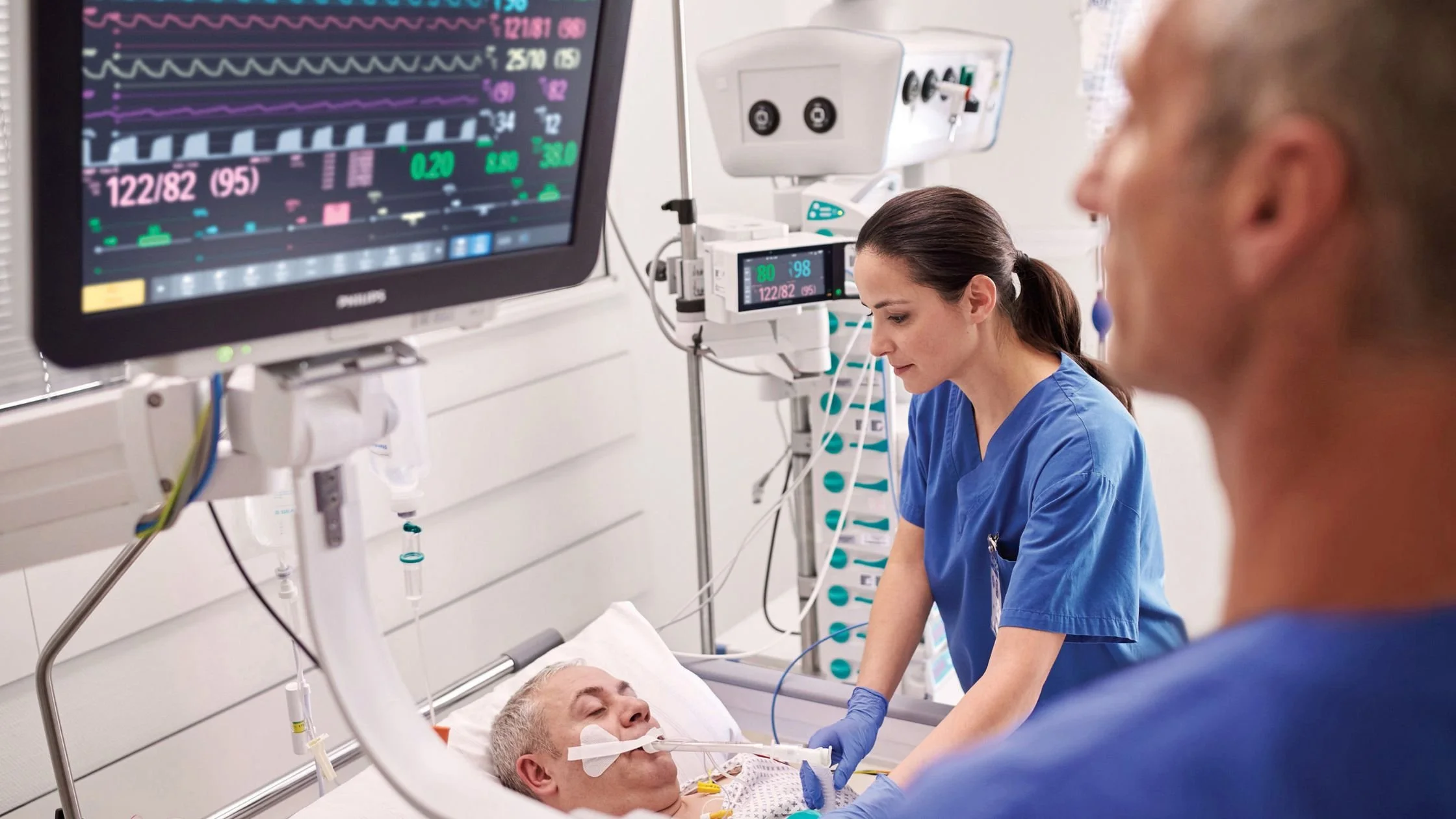
The healthcare environment has adopted continuous medical monitoring as an essential tool which enhances patient results. Real-time data collection through this method enables medical staff to make prompt decisions. The healthcare method presents both positive aspects and difficulties which affect its implementation. The blog examines the advantages and disadvantages of continuous medical monitoring relative to periodic monitoring and its ability to detect conditions early while discussing false alarms and the problem of excessive monitoring.
Related Blog: What Is Medical Monitoring and Why Does It Matter?
Continuous vs. Periodic Monitoring
What is Continuous Medical Monitoring?
Medical monitoring as a continuous process requires ongoing observation of patient health metrics through wearable devices and sensors which track vital signs including heart rate and blood pressure and temperature and oxygen levels. The devices provide healthcare providers with real-time alerts when readings exceed normal ranges thus allowing prompt medical action.
What is Periodic Monitoring?
Traditional medical measurements occur through periodic monitoring which involves scheduled medical assessments. The patient must visit a healthcare facility for check-ups or perform self-reporting at predetermined times throughout the day.
Key Differences
Frequency of Measurements: Real-time data is available through continuous monitoring but periodic monitoring only collects data at predetermined times which could overlook critical changes in patient status.
Data Granularity: The main difference between continuous and periodic monitoring is that continuous monitoring provides detailed and frequent data, while periodic monitoring only provides snapshots of the patient’s health at specific times.
Response Time: The system can respond instantly to any anomalies through continuous monitoring but periodic monitoring may lead to delayed responses because it does not check as often.

Early Detection Advantages of Continuous Monitoring
One of the key benefits of continuous medical monitoring is early detection of health issues. Here's why:
Prevention of Sudden Medical Events
Through continuous monitoring healthcare providers can identify early signs of patient condition changes which helps prevent critical situations. The immediate detection of heart rate irregularities and low oxygen levels through continuous monitoring helps prevent heart attacks strokes and respiratory failure. The proactive approach stands as the key factor which determines whether a patient will live or die.
Tracking Trends Over Time
Through continuous monitoring doctors can track patterns and trends in patient health metrics. Continuous monitoring proves essential for patients who have chronic conditions such as diabetes hypertension or heart disease. Healthcare providers can detect subtle health declines through time-based monitoring which enables them to modify treatment plans to prevent hospital admissions and complications.
Related Blog: How Technology Is Changing the Way We Monitor Health?
Better Management of Chronic Diseases
The ability to monitor patients with chronic conditions through continuous methods represents a major advancement. The process of continuous tracking delivers important information about disease development while enabling healthcare providers to create personalized treatment plans. Real-time data access through continuous monitoring helps reduce hospital visits while providing both patients and healthcare providers with reassurance.

False Alarms & Over-Monitoring: The Risks of Continuous Monitoring
While continuous monitoring offers several benefits, it also comes with its risks. Here’s a look at two key concerns:
False Alarms
Continuous monitoring faces a major challenge because of the possibility of receiving incorrect alerts. False alarms occur when monitoring equipment identifies health data anomalies which do not represent actual medical problems. False alarms can occur due to multiple factors.
Device Sensitivity: Some monitoring devices may be overly sensitive, detecting minor fluctuations in vital signs that don’t pose a significant health threat.
Human Error: The device may give false alarms when the users misuse it or when they enter wrong readings.
Temporary Factors: The system can generate false alarms because of how the patient is positioned or moving or because of a problem with the device.
Consequences of False Alarms
False alarms generate unneeded panic and stress among patients and healthcare providers. The numerous false alarms in healthcare facilities divert attention from real emergencies thus causing delays in urgent medical care for patients who need immediate attention.
Over-Monitoring and Its Impact
Over-monitoring can occur when continuous monitoring is used excessively, even for patients who don’t need constant observation. This could be due to:
Overuse of Technology: Healthcare providers should establish continuous patient monitoring for all patients regardless of their medical condition status.
Patient Anxiety: Patients develop anxiety about continuous monitoring because their stable health indicators trigger excessive health concerns.
Health Risks from Over-Monitoring
Disruption of Normal Life: Excessive patient monitoring generates excessive health metric preoccupation which produces elevated patient stress and anxiety levels. The excessive monitoring may lead to health problems including elevated blood pressure and heart rate.
Financial and Resource Strain: The deployment of continuous monitoring systems requires significant resources which include equipment together with technical support and healthcare staff to analyze the collected data. The practice of monitoring patients excessively results in excessive expenses while diverting healthcare resources from other essential needs.
Data-Driven Decisions: Medical decisions benefit from continuous monitoring because it generates more detailed data than periodic checks which leads to better accuracy.
Related Blog: Top 10 Everyday Devices That Use Medical Monitoring

10 Lesser-Known Facts About Continuous Medical Monitoring
Here are 10 interesting facts about continuous medical monitoring:
Continuous monitoring can reduce ICU admissions: Studies show that patients who undergo continuous monitoring are less likely to require admission to the ICU. (Source)
Wearable health technology is growing: The global wearable medical device market is projected to reach $87 billion by 2025.
Real-time data saves lives: A study found that hospitals using continuous monitoring systems had a 27% reduction in patient deaths. (Source)
It can detect issues not visible in periodic checks: Continuous monitoring can identify subtle fluctuations in health that are missed in periodic monitoring. (Source)
Home care for the elderly: Continuous monitoring allows elderly patients to receive care at home, improving comfort and reducing the need for nursing homes.
Smartwatches are becoming medical tools: Devices like the Apple Watch now offer electrocardiogram (ECG) features that help monitor heart health. (Source)
Patient satisfaction improves: Patients feel more secure knowing that they’re constantly monitored, leading to better satisfaction and trust in healthcare providers.
Continuous monitoring can lower healthcare costs: By reducing hospital readmissions and preventing complications, continuous monitoring can help cut long-term healthcare costs.
Technology is advancing rapidly: With advancements in AI and machine learning, continuous monitoring devices are becoming smarter and more predictive.
Used in emergency response systems: Some emergency response systems are now incorporating continuous monitoring to provide real-time updates on patients’ conditions to first responders.
Explore Courses for Clinical Research Career
Courses Available:
Conclusion
The delivery of healthcare experiences a transformation through continuous medical monitoring because this technology enables early detection and better disease management which leads to improved patient outcomes. The technology presents its own set of risks through false alarms and the possibility of excessive monitoring. Healthcare providers can maximize patient care benefits from continuous monitoring by determining proper application times and methods to prevent system overload and patient information overload.
At CCRPS, we are dedicated to advancing healthcare practices, ensuring the right balance between innovation and patient well-being. For professionals looking to enhance their expertise in continuous monitoring or other aspects of healthcare, CCRPS offers certifications and training programs to keep you ahead in the field.
-
Continuous medical monitoring involves the real-time tracking of a patient’s health data through wearable devices or sensors. It helps healthcare providers detect health issues early and intervene promptly.
-
By providing real-time data, continuous monitoring allows for early intervention, better management of chronic conditions, and reduced hospital admissions.
-
The primary risks include false alarms, over-monitoring, and the stress it may cause patients due to constant observation.
-
No, continuous monitoring can be beneficial for a variety of patients, including those with chronic conditions, those undergoing rehabilitation, or even healthy individuals who want to track their health metrics.
-
Continuous monitoring provides ongoing real-time data, while periodic checks only give snapshots of a patient’s health at specific times, potentially missing fluctuations in between.