
How to Pass the Principal Investigator Certification Exam Proven Tips
The Principal Investigator (PI) Certification is a crucial milestone for professionals in clinical research. Whether you're aiming to advance your career or fulfill specific regulatory requirements, passing the PI certification exam can significantly impact your professional standing. However, the journey to success can seem overwhelming, especially for those unfamiliar with the intricacies of the exam format, key topics, and best study practices.
In this guide, we'll outline the proven strategies and expert tips to help you pass the Principal Investigator Certification Exam with confidence. From understanding the exam structure to identifying common mistakes during preparation, this article provides actionable insights that will ensure you're fully prepared. We'll dive into the essential topics you need to focus on, along with resources and study methods that have been shown to lead to success.

Understanding the Principal Investigator Certification Exam
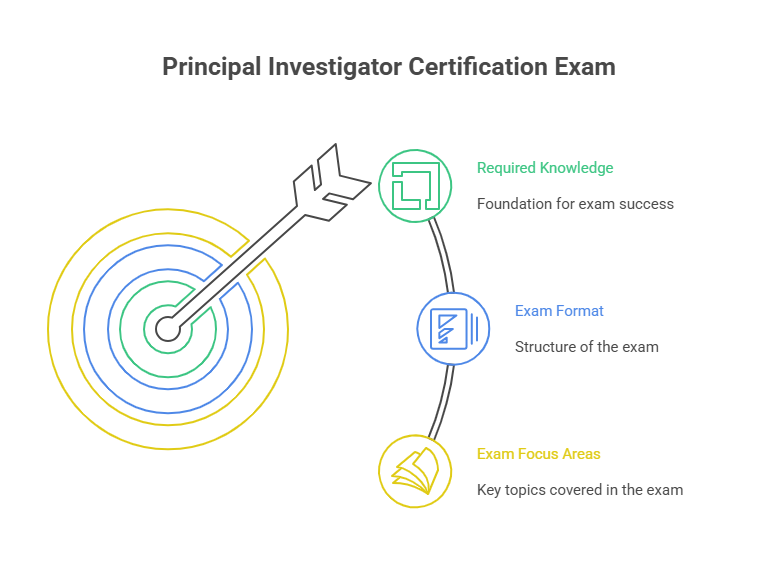
The Principal Investigator Certification Exam is an essential milestone for clinical research professionals who wish to demonstrate their competence in managing clinical trials. The exam assesses knowledge of critical areas such as research ethics, clinical trial design, patient safety, and regulatory compliance, ensuring that candidates are prepared to oversee trials effectively and ethically.
The certification is sought by those who work in various sectors, including pharmaceutical companies, academic institutions, and contract research organizations (CROs). It holds significant value as it provides a benchmark for competence, establishing that the individual can effectively manage the responsibilities of a Principal Investigator (PI) in clinical research.
The exam typically consists of multiple-choice questions that are designed to evaluate your ability to apply theoretical knowledge in practical settings. Topics covered include research ethics, clinical trial protocol design, regulatory requirements, and patient safety. These areas are essential for ensuring compliance with legal, ethical, and scientific standards in clinical trials. A strong grasp of the responsibilities and roles of a PI is crucial to answering the exam questions accurately.
Candidates who pass the exam demonstrate that they are equipped with the skills necessary to manage clinical trials in compliance with Good Clinical Practice (GCP), FDA regulations, and other applicable standards. The certification not only validates your expertise but also enhances your career opportunities in the clinical research industry. It provides an advantage when applying for roles that require oversight of clinical studies, which often demand demonstrated knowledge of ethical guidelines, patient welfare, and regulatory protocols.
The exam also tests practical knowledge related to study design, risk management, and adverse event reporting. Preparing for the exam requires focusing on both theoretical knowledge and real-world applications. This balance ensures that you can effectively manage the complexities of clinical research while ensuring patient safety and regulatory compliance.
By thoroughly understanding these areas, you’ll be well-prepared to take on the challenges presented by the Principal Investigator Certification Exam and succeed in your clinical research career.
Proven Tips to Pass the Principal Investigator Certification Exam
Create a Detailed Study Schedule
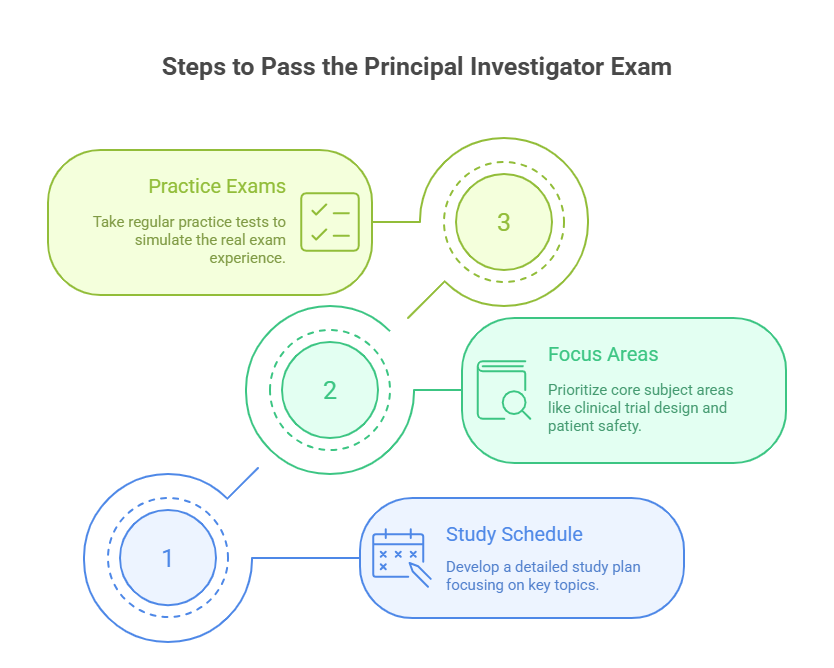
One of the most effective ways to prepare for the Principal Investigator Certification Exam is by creating a detailed study schedule. Start by breaking down the exam topics into manageable sections and allocate specific time for each area. Ensure that you include time for review and practice tests.
Consistency is Key: Set aside dedicated study hours each day, even if it's only for 30 minutes. Consistency will help reinforce your knowledge over time.
Prioritize High-Impact Areas: Focus on the areas that carry the most weight in the exam, such as research ethics and clinical trial design. Make sure to give these topics extra time.
Include Practice Exams: Simulating the exam environment with practice questions can help improve both your knowledge and your ability to manage time during the actual exam.
By adhering to a strict schedule and revising key topics regularly, you'll not only improve your chances of passing but also reduce any last-minute stress.
Focus on Core Subject Areas
The Principal Investigator Certification Exam covers a broad range of topics, but some areas are more critical than others. Focus on the core subjects that are frequently tested. These include:
Research Ethics: Ethical considerations, informed consent, and patient privacy are tested extensively.
Regulatory Compliance: Familiarity with ICH-GCP guidelines, FDA regulations, and other clinical research standards is crucial.
Clinical Trial Design: Understanding the structure and phases of clinical trials will be a significant part of your preparation.
Mastering these key topics will give you a strong foundation to tackle the exam with confidence.
Common Mistakes to Avoid During the Exam Preparation
Cramming and Last-Minute Preparation
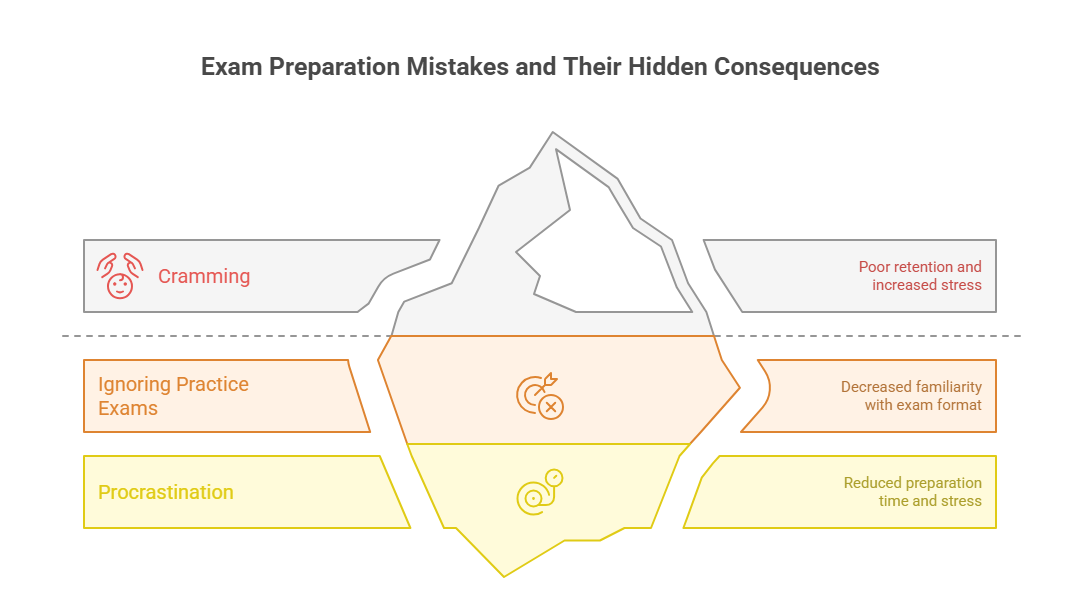
One of the most common mistakes candidates make when preparing for the Principal Investigator Certification Exam is cramming at the last minute. While it may seem tempting to rush through study material right before the exam, this approach often leads to inadequate understanding and increased anxiety.
Lack of Retention: Cramming focuses on memorization rather than comprehension, which can lead to difficulties retaining the information long term.
Increased Stress: Attempting to study large amounts of material in a short time increases stress levels, which negatively impacts performance on the exam.
Instead, you should spread your study efforts over several weeks or months. This approach will not only improve retention but also give you time to review and solidify your understanding of critical topics.
Ignoring Practice Exams
Another mistake to avoid is neglecting practice exams. Practice exams are one of the most effective ways to prepare for the Principal Investigator Certification Exam. They allow you to:
Familiarize Yourself with the Exam Format: Understanding the structure of the exam and the types of questions asked helps reduce any surprises on test day.
Assess Your Knowledge: Practice tests can help you identify areas where you need to improve and provide insight into your readiness for the real exam.
Build Confidence: By taking practice exams, you gain confidence in answering questions under time constraints, which is crucial for managing the actual exam.
Ensure you incorporate multiple practice exams into your study routine. Review each test carefully, analyze your mistakes, and focus on improving your weak areas.
Utilizing Resources for Principal Investigator Exam Success
Online Courses and Training Programs
Online courses and training programs are invaluable resources for preparing for the Principal Investigator Certification Exam. These courses are designed by industry experts to cover all the necessary topics in a structured format. They often include video lectures, quizzes, and practice exams that mirror the actual certification exam.
Comprehensive Curriculum: Training programs provide a comprehensive curriculum that aligns with the exam’s requirements, ensuring you don't miss out on critical information.
Expert Insights: Many courses are taught by certified professionals who share insights based on real-world experience, making your preparation more practical.
Flexibility: Online courses allow you to study at your own pace, making it easier to balance your study schedule with professional and personal commitments.
When choosing a course, ensure that it’s accredited and recognized by certifying bodies like the Association of Clinical Research Professionals (ACRP), as this will help ensure the material aligns with the exam requirements.
Joining Study Groups and Forums
Another excellent way to enhance your preparation is by joining study groups and forums. These platforms allow you to collaborate with peers who are also preparing for the Principal Investigator Certification Exam.
Collaborative Learning: Study groups provide opportunities to discuss complex topics, exchange study materials, and clarify doubts.
Accountability: Being part of a study group helps keep you motivated and on track with your study schedule.
Peer Support: Forums and study groups allow you to engage with people who might have faced similar challenges or have insights that can help improve your understanding of the material.
Online forums, such as those hosted by ACRP or other professional organizations, can be especially valuable for discussing exam strategies, sharing resources, and learning from others' experiences.
| Resource | Description | Benefits |
|---|---|---|
| Online Courses | Courses like the **Principal Investigator Certification by CCRPS** offer structured content covering the key topics required for the exam. | Comprehensive material, expert-led instruction, flexible learning pace, and access to practice exams. |
| Study Groups | Study groups are collaborative platforms where peers can discuss difficult topics and share resources. | Peer support, shared knowledge, accountability, and clarification of complex concepts. |
| Practice Exams | Practice exams mimic the real exam format and help test your knowledge under timed conditions. | Helps with exam familiarization, time management, and identifying weak areas for improvement. |
| Books and Study Guides | Books specifically designed for PI exam preparation provide detailed explanations of clinical trial concepts and exam strategies. | In-depth coverage of topics, useful for reinforcing theoretical knowledge, and they are portable study tools. |
| Mentorship | Mentorship from certified Principal Investigators or instructors can offer guidance based on real-world experience. | Expert advice on career pathways, study tips, and insights on exam expectations and challenges. |
The Role of Clinical Research in Principal Investigator Certification
Clinical research experience plays a pivotal role in preparing for the Principal Investigator Certification Exam. As a Principal Investigator, you are expected to oversee the safety and well-being of trial participants, ensuring that the study adheres to ethical and regulatory guidelines.
Having hands-on experience in clinical research will help you understand the complexities of managing trials, from participant recruitment to data analysis and reporting. It also strengthens your understanding of the regulatory environment, such as compliance with FDA guidelines, Good Clinical Practice (GCP), and other relevant protocols.
Clinical research experience allows you to:
Apply Practical Knowledge: Real-world experience will help you better understand theoretical concepts covered in the exam, such as trial design and adverse event reporting.
Navigate Ethical Dilemmas: Clinical research often involves making ethical decisions regarding patient safety, informed consent, and data management. These skills are tested extensively in the certification exam.
Enhance Problem-Solving Abilities: Clinical research prepares you to handle the challenges that arise during clinical trials, such as dealing with patient non-compliance or regulatory hurdles.
By integrating your clinical research experience into your exam preparation, you’ll be able to approach the exam’s case studies and practical questions with confidence and clarity.
| Role | Description | Key Areas Impacted |
|---|---|---|
| Clinical Research Experience | Hands-on experience in clinical trials allows candidates to apply theoretical knowledge and gain practical skills necessary for a PI role. | Trial Management, Data Collection, Adverse Event Reporting, Patient Monitoring |
| Knowledge in Regulatory Compliance | Experience with FDA regulations, Good Clinical Practice (GCP), and local ethical standards prepares candidates for the regulatory aspects of the exam. | Regulatory Guidelines, Adverse Event Reporting, Informed Consent |
| Ethical Decision-Making | Clinical research professionals often face ethical dilemmas, such as managing informed consent and ensuring patient safety, which are core exam topics. | Ethical Oversight, Patient Confidentiality, Informed Consent |
| Trial Protocols | Understanding trial protocols and design from a real-world perspective is essential for passing the exam, as candidates must demonstrate knowledge of study execution. | Trial Design, Data Integrity, Patient Recruitment |
| Risk Management | Clinical research involves identifying, assessing, and managing risks, ensuring that safety measures are in place to prevent harm during trials. | Risk Assessment, Safety Protocols, Crisis Management |
How the Principal Investigator Certification by CCRPS Prepares You for Exam Success
To effectively prepare for the Principal Investigator Certification Exam, enrolling in a specialized certification course, such as the Principal Investigator Certification by CCRPS, is a strategic move. These courses are specifically designed to cover the key topics required for the exam, providing both theoretical and practical knowledge.
In-depth Coverage: The course material for the Principal Investigator Certification by CCRPS covers all the core areas, including research ethics, clinical trial management, and patient safety. This ensures you are well-versed in all aspects of the exam and prepared to handle the complexities of clinical trials.
Expert Instruction: Many certification programs, including CCRPS, are led by experienced professionals who can offer valuable insights into the exam process and real-world clinical trial scenarios. These experts help you understand the nuances of managing clinical trials and the responsibilities of a Principal Investigator.
Structured Learning: The Principal Investigator Certification by CCRPS offers a structured learning approach, guiding you step-by-step through the essential topics that will appear on the exam. This format ensures that you are not overwhelmed and can track your progress, making it easier to stay focused and prepared for the exam.
Additionally, many programs, including CCRPS's Principal Investigator Certification, include practice tests, review sessions, and real-world case studies, all of which will better prepare you for the actual certification exam. Connecting to these resources ensures that you're getting the right training to pass the exam with confidence.
Frequently Asked Questions (FAQs)
-
The Principal Investigator Certification Exam is designed to assess the knowledge and skills required to oversee and manage clinical research trials. The exam evaluates your understanding of key areas such as research ethics, patient safety, clinical trial design, and regulatory compliance. Passing this exam demonstrates your expertise in managing clinical studies and ensures that you are qualified to serve as a Principal Investigator in clinical research.
-
To prepare effectively for the Principal Investigator Certification Exam, you should focus on the core topics like research ethics, clinical trial design, regulatory compliance, and patient safety. Utilize online courses, such as the Principal Investigator Certification by CCRPS, to gain structured and comprehensive knowledge. Practice exams and study groups are also valuable resources to assess your readiness and reinforce key concepts.
-
The Principal Investigator Certification Exam covers a variety of topics essential for overseeing clinical trials. These topics include research ethics, clinical trial design, patient safety, and regulatory requirements. The exam assesses your understanding of Good Clinical Practice (GCP), informed consent, adverse event reporting, and more. A solid grasp of these areas is crucial for success on the exam.
-
The Principal Investigator Certification Exam typically lasts between 2 and 3 hours. The exam consists of multiple-choice questions designed to test your knowledge of clinical research principles. Some exams may also include case studies that require you to apply your knowledge to real-world scenarios, testing both theoretical understanding and practical problem-solving skills.
-
The passing score for the Principal Investigator Certification Exam is generally between 70% and 80%, although this can vary by certifying body. It is essential to check the specific guidelines of the certifying organization, such as the Association of Clinical Research Professionals (ACRP), to understand the exact passing criteria and how your exam results will be scored
-
Yes, most certification programs, including the Principal Investigator Certification by CCRPS, allow you to retake the exam if you do not pass on your first attempt. There is usually a waiting period before you can retake the exam, and you must follow the specific retake policies outlined by the certifying body. Be sure to review these policies to ensure you are prepared for any necessary steps.
-
The Principal Investigator Certification is typically valid for 3 to 5 years, depending on the certifying organization. After this period, you will need to renew your certification either by completing continuing education requirements or by retaking the exam. This renewal process ensures that you stay up to date with the latest industry standards, regulations, and best practices in clinical research.
Conclusion: Achieving Certification Success
Achieving the Principal Investigator Certification is a pivotal step in advancing your career in clinical research. By thoroughly preparing for the Principal Investigator Certification Exam with a structured study plan, focusing on key areas like research ethics, clinical trial design, patient safety, and regulatory compliance, you set yourself up for success.
Leveraging resources such as the Principal Investigator Certification by CCRPS, online courses, practice exams, and study groups ensures that you are well-prepared for the exam. Avoiding common mistakes like cramming and ignoring practice tests, while focusing on long-term study strategies, will help you retain critical knowledge and boost your confidence.
With the right preparation, resources, and mindset, you will be ready to tackle the exam and pass with flying colors, securing your role as a highly qualified Principal Investigator in the clinical research field.
