
The Comprehensive Guide to Medical Research Consultant Jobs

Medical research consultants are an essential part of the healthcare industry, they help to close the gap between research and application. They advise, investigate, and assist in forming healthcare policies and procedures. This blog describes the essential aspects of medical research consultant jobs, the skills required, the responsibilities, the career path, and the trends in the job market.
Understanding the Role of a Medical Research Consultant
A medical research consultant is a professional who provides specialized medical research knowledge and expertise to organizations like pharmaceutical companies, hospitals, universities, and government agencies. These consultants are vital to clinical trial design, implementation, and analysis to ensure that the research is accurate and applicable.
Key Responsibilities
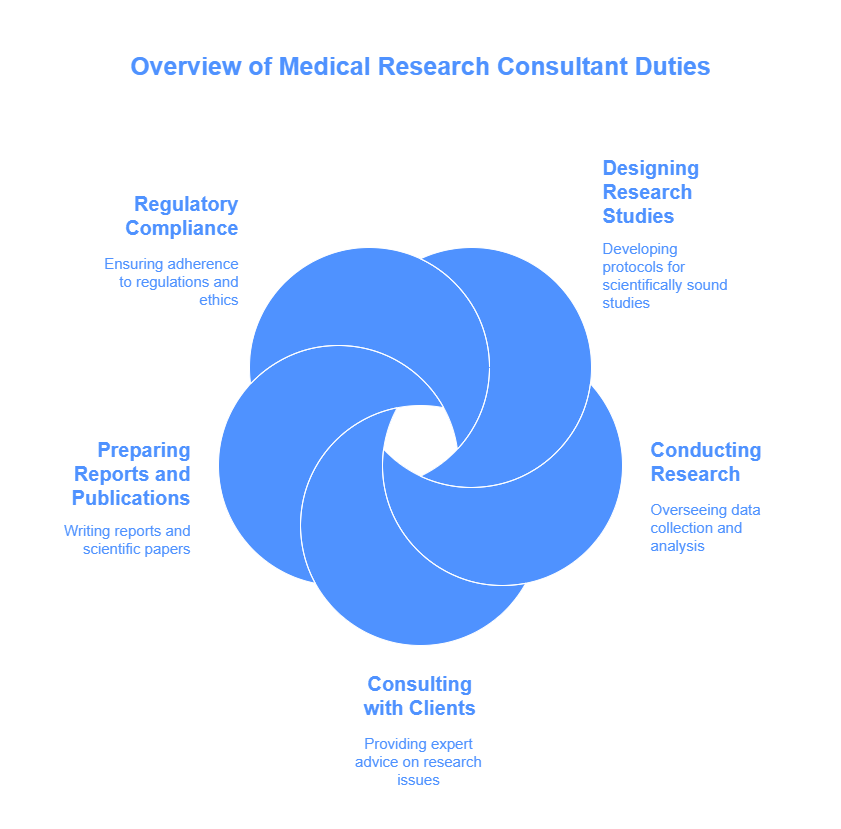
Medical research consultants have a wide range of responsibilities, including:
Designing Research Studies: Developing research protocols and methodologies to ensure that studies are scientifically sound.
Conducting Research: Overseeing the implementation of research studies, including data collection and analysis.
Consulting with Clients: Providing expert advice to clients on research-related issues, including study design, regulatory compliance, and data interpretation.
Preparing Reports and Publications: Writing detailed reports and scientific papers based on research findings.
Regulatory Compliance: Ensuring that all research activities comply with relevant regulations and ethical standards.
Required Skills and Qualifications
To excel as a medical research consultant, one must possess a combination of educational qualifications, technical skills, and soft skills.
Educational Background: A minimum of a master's degree in a relevant field such as medical sciences, public health, or clinical research is typically required. A Ph.D. is often preferred.
Technical Skills: Proficiency in statistical analysis, research methodologies, and data interpretation. Familiarity with software such as SPSS, SAS, and R is advantageous.
Soft Skills: Strong communication, problem-solving, and project management skills. The ability to work collaboratively with diverse teams is essential.

Career Path and Advancement
The career path for a medical research consultant often begins with roles such as research assistant or clinical research coordinator. With experience, professionals can advance to senior consultant positions or take on leadership roles in research organizations.
Career Progression:
Entry-Level Positions: Research Assistant, Clinical Research Coordinator
Mid-Level Positions: Research Analyst, Clinical Research Associate
Senior-Level Positions: Senior Consultant, Principal Investigator, Research Director
The Job Market for Medical Research Consultants
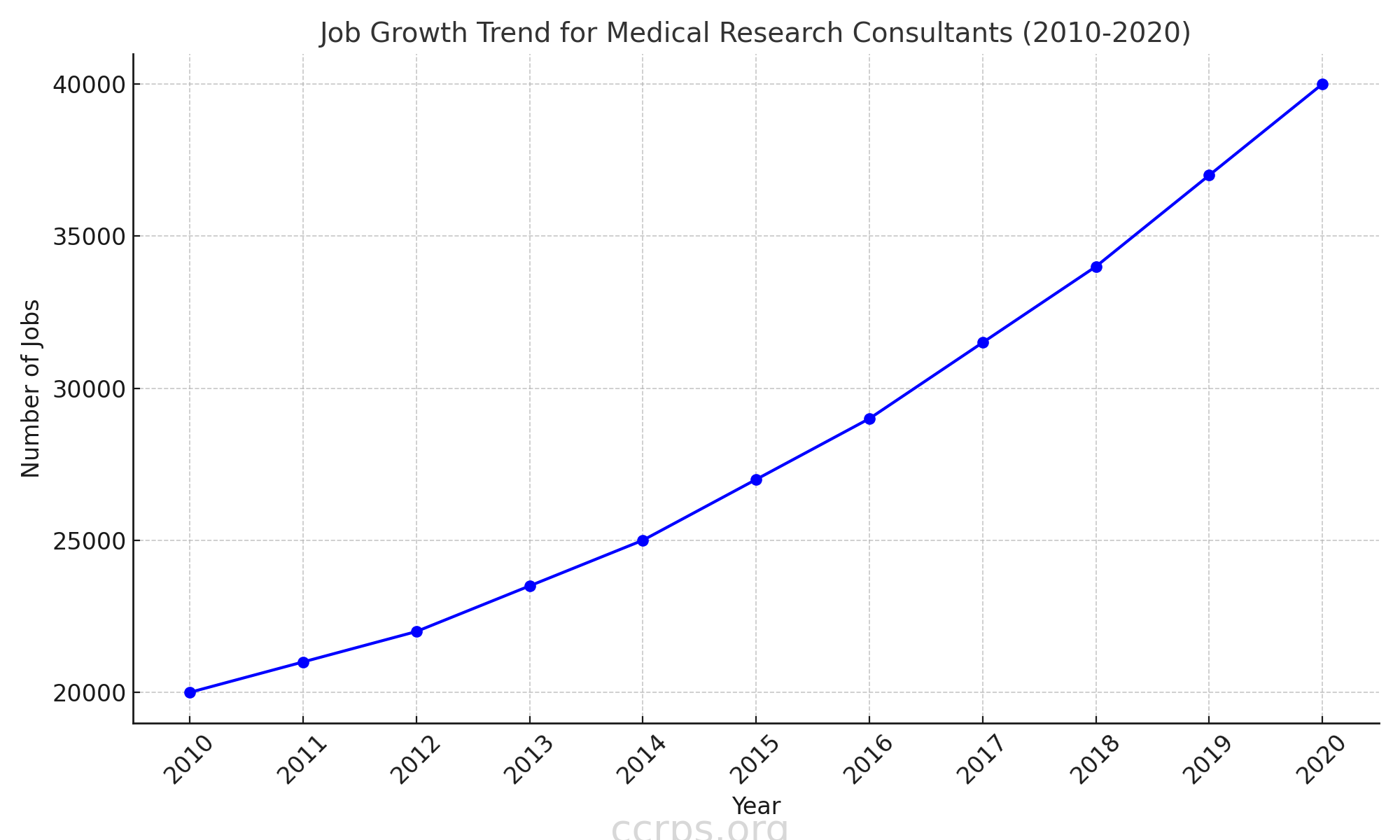
The demand for medical research consultants is influenced by various factors, including advancements in medical technology, the increasing complexity of clinical trials, and the growing emphasis on evidence-based medicine.
Industry Demand
Several industries actively seek medical research consultants, including:
Pharmaceutical Companies: To develop and test new drugs.
Healthcare Providers: To improve patient care and treatment protocols.
Government Agencies: To shape public health policies and regulatory frameworks.
Academic Institutions: To conduct cutting-edge research and mentor students.
Job Outlook
The job outlook for medical research consultants is positive, with the Bureau of Labor Statistics projecting steady growth in related fields. This growth is driven by the continuous need for medical research to address emerging health challenges and improve healthcare outcomes.
Essential Tips for Aspiring Medical Research Consultants
For those aspiring to become medical research consultants, here are some essential tips to help you succeed in this competitive field:
Pursue Relevant Education and Training
Obtain a degree in medical sciences, public health, or a related field.
Consider advanced degrees or certifications, such as the Advanced Clinical Medical Scribe Certification Course.
Participate in internships and research projects to gain practical experience.
Build a Strong Professional Network
Join professional organizations, such as the Association of Clinical Research Professionals (ACRP) and the Society for Clinical Research Sites (SCRS).
Attend conferences, workshops, and seminars to stay updated on industry trends and connect with peers.
Develop Specialized Skills
Gain expertise in specific areas of medical research, such as oncology, cardiology, or infectious diseases.
Learn about regulatory requirements and ethical standards in medical research.
Stay Current with Industry Trends
Read industry journals, such as The Lancet and JAMA, to keep abreast of the latest research findings.
Follow thought leaders and experts on social media platforms like LinkedIn and Twitter.
Leverage Technology
Use advanced research software and tools to enhance your data analysis and reporting capabilities.
Familiarize yourself with electronic data capture (EDC) systems and clinical trial management systems (CTMS).
The Impact of Medical Research Consultants on Healthcare
Medical research consultants play a pivotal role in advancing healthcare by contributing to the development of new treatments, improving patient care, and shaping health policies. Their expertise is essential in translating research findings into practical applications that benefit society.
Contributions to Medical Advancements
Medical research consultants have been instrumental in several key advancements, including:
Drug Development: Assisting in the creation of new medications and therapies.
Clinical Guidelines: Helping to establish evidence-based guidelines for patient care.
Public Health Initiatives: Supporting initiatives to prevent and control diseases.
Enhancing Patient Outcomes
By ensuring that research studies are scientifically rigorous and ethically sound, medical research consultants help improve patient outcomes. Their work leads to the development of safer and more effective treatments, ultimately enhancing the quality of care.
Shaping Health Policies
Medical research consultants provide valuable insights that inform health policies and regulations. Their expertise helps ensure that policies are based on the latest scientific evidence and best practices, promoting public health and safety.

Challenges Faced by Medical Research Consultants
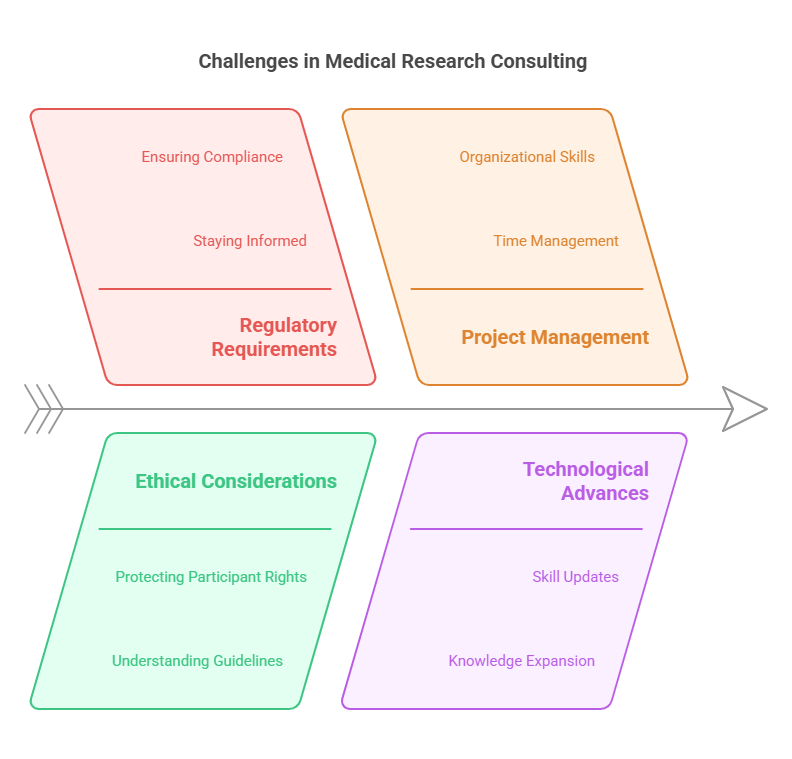
While the role of a medical research consultant is rewarding, it also comes with its challenges. Understanding these challenges can help aspiring consultants prepare for the demands of the job.
Navigating Regulatory Requirements
Medical research is heavily regulated, and consultants must navigate complex regulatory landscapes. Staying informed about the latest regulations and ensuring compliance can be challenging but is essential for conducting ethical and legal research.
Managing Ethical Considerations
Ethical considerations are paramount in medical research. Consultants must ensure that studies are conducted ethically, with the rights and well-being of participants protected. This requires a deep understanding of ethical principles and guidelines.
Balancing Multiple Projects
Medical research consultants often juggle multiple projects simultaneously. Effective time management and organizational skills are crucial to handle the workload and meet deadlines.
Adapting to Technological Advances
The rapid pace of technological advancements in medical research requires consultants to continuously update their skills and knowledge. Staying current with the latest tools and methodologies is vital for success in this field.
Key Takeaways for Aspiring Medical Research Consultants
For those looking to embark on a career as a medical research consultant, here are some key takeaways to keep in mind:
Educational and Professional Development
Invest in Education: Pursue relevant degrees and certifications to build a strong foundation in medical research.
Continuous Learning: Stay updated with the latest research, technologies, and industry trends.
Networking and Collaboration
Join Professional Organizations: Engage with industry groups to expand your network and access resources.
Collaborate with Experts: Work with experienced professionals to gain insights and mentorship.
Skills and Competencies
Develop Technical Skills: Gain proficiency in research methodologies, data analysis, and regulatory compliance.
Enhance Soft Skills: Improve communication, problem-solving, and project management abilities.
Industry Trends and Opportunities
Stay Informed: Follow industry news and developments to identify new opportunities and areas of growth.
Leverage Technology: Use advanced tools and software to streamline research processes and enhance productivity.

Conclusion
Medical research consultants, like those at CCRPS, play a crucial role in advancing healthcare by bridging the gap between research and clinical practice. By contributing to the development of new treatments and improving patient care, they help shape health policies that impact communities worldwide. Aspiring consultants aiming to join teams like CCRPS should focus on acquiring relevant education, cultivating a robust professional network, and continuously updating their skills to thrive in this dynamic and rewarding field. This proactive approach ensures they remain at the forefront of medical innovation and patient advocacy.
Explore Courses for Clinical Research Career
Courses Available: