Clinical Research Certification Oklahoma: Everything You Need to Know for 2025-2026
Oklahoma’s clinical research industry is quietly surging — anchored by hospital networks, biotechnology startups, and universities launching hundreds of trials each year. As clinical demand grows, professionals without proper ICH-GCP or FDA 21 CFR training face shrinking job options. The Clinical Research Certification in Oklahoma has become the key differentiator for professionals aiming to build credibility, secure higher salaries, and transition from site-level coordination to sponsor or CRO oversight.

1. Understanding Oklahoma’s Research Growth & Certification Value
The clinical research ecosystem in Oklahoma City, Tulsa, and Norman is maturing fast. Major players like OU Health Sciences Center and Mercy Research are leading trials across oncology, cardiology, and infectious diseases. According to CCRPS, research-related jobs are expected to grow by 16% through 2026 — higher than the national average.
Certification through the CCRPS Clinical Research Certification validates your ability to comply with ICH-GCP, HIPAA, and FDA Part 312 standards. Similar programs in Texas and New Mexico show that certified candidates are 40% more likely to be shortlisted for CRA or regulatory roles.
The CCRPS model combines practical modules, compliance simulations, and flexible self-paced study — empowering working professionals to build a credential that stands out to CROs like IQVIA, PPD, and Parexel.
Oklahoma Clinical Research Certification Outlook (2025–2026)
| Key Factor | 2025–2026 Data for Oklahoma |
|---|---|
| Projected Job Growth | 16% statewide increase |
| Average CRA Salary | $78,000–$108,000 annually |
| Entry-Level CRC Pay | $55,000–$63,000 per year |
| Top Hiring Cities | Oklahoma City, Tulsa, Norman, Edmond |
| Leading Employers | OU Health, Mercy Research, Stephenson Cancer Center |
| Recommended Certification | CCRPS Clinical Research Certification |
| Training Duration | 6–8 weeks (self-paced) |
| Exam Format | 100-question online proctored |
| Passing Score | 75% |
| Renewal Cycle | Every 3 years (24 CE credits) |
| Accreditation Standards | ICH-GCP, HIPAA, FDA 21 CFR |
| Remote Role Availability | ≈ 42% hybrid/remote positions |
| Major CRO Partners | IQVIA, Parexel, ICON, PPD |
| Internship Duration | 8–12 weeks |
| Career Path | CRC → CRA → Regulatory Manager → Project Lead |
2. Steps to Earn Your Clinical Research Certification in Oklahoma
The CCRPS Clinical Research Certification program is designed for healthcare professionals, life science graduates, and clinical coordinators seeking industry-standard credentials.
Step 1: Enroll in an accredited program
CCRPS courses align with ICH-GCP and FDA Part 312 compliance requirements.
Step 2: Complete structured modules
These cover clinical trial design, adverse event reporting, site management, and regulatory filing.
Step 3: Pass the certification exam
A 100-question online test ensures comprehension of core and applied concepts.
Step 4: Apply your knowledge
Secure internships with CROs via the CCRPS Placement Portal, modeled after Clinical Research Certification in South Carolina.
Step 5: Renew your certification every three years through continuing education programs.
3. Salary Trends & Job Opportunities
Oklahoma’s life sciences sector is rapidly modernizing. Research professionals who complete the CCRPS Clinical Research Certification can expect average salaries ranging from $55,000 for entry-level CRCs to $115,000+ for senior CRAs.
Hospitals like OU Health and private CROs like ICON and PPD prefer CCRPS-certified candidates for audit-readiness and compliance-based hiring.
Data parallels from Clinical Research Certification Oregon and Clinical Research Certification Vermont indicate similar post-certification job mobility rates — often within 4 months of course completion.
Research growth is particularly strong in oncology and vaccine trials, where Oklahoma has received multiple federal grants since 2023.
What’s Holding You Back from Getting Certified in Oklahoma?
4. Internship & Placement Opportunities
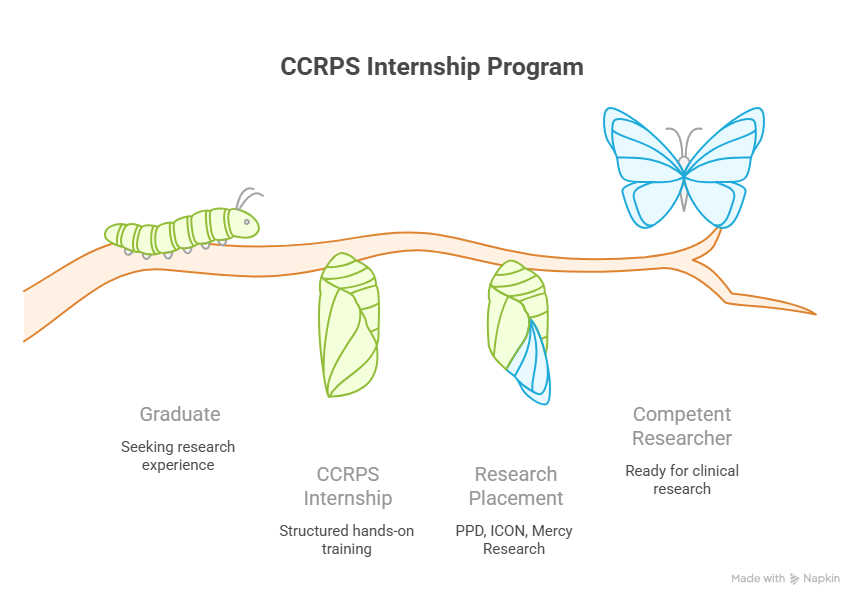
Oklahoma’s growing CRO and hospital network now offers ample training pipelines. Through the CCRPS Internship Program, graduates gain access to research placements with PPD, ICON, and Mercy Research.
Inspired by internship models in Clinical Research Certification Pennsylvania and Clinical Research Certification Wisconsin, CCRPS ensures 8–12 week structured hands-on training to build competence in:
Source data verification
Protocol compliance and deviation reporting
Monitoring visit documentation
IRB and regulatory submissions
5. Why CCRPS Leads in Certification Excellence
The CCRPS Clinical Research Certification remains the industry standard across all U.S. states. For Oklahoma professionals, it offers local adaptability, hybrid study options, and direct access to internship networks.
CCRPS certifications are globally recognized, offering a career path from CRC → CRA → Project Manager and beyond. The same training model empowers professionals in Clinical Research Certification New York and Clinical Research Certification Ohio to achieve rapid role transitions and international recognition.
6. FAQs: Clinical Research Certification in Oklahoma (2025–2026)
-
A bachelor’s degree in life sciences or healthcare is recommended, though equivalent clinical experience is accepted.
-
Typically 6–8 weeks of flexible, self-paced online study.
-
Yes, leading research institutions like OU Health and Mercy recognize CCRPS certification.
-
Yes, CCRPS offers a fully online course with proctored exams.
-
Yes, through its dedicated placement network with CROs and hospitals.
-
Three years, renewable via continuing education.
-
CRCs earn $55K–$65K; CRAs reach $110K+ depending on experience.
