
Clinical Research Certification Wisconsin: Everything You Need to Know for 2025-2026
Wisconsin is no longer just a healthcare hub — it’s becoming a clinical research career launchpad. With major medical universities, hospital networks, and growing demand for remote clinical research roles, Wisconsin professionals are now perfectly positioned to enter a booming field. The rise of decentralized trials and remote CRA programs means that even professionals based in Milwaukee, Madison, or Green Bay can now work on trials managed by leading CROs across the U.S.
In this 2025–2026 guide, we’ll cover the most relevant certifications, hiring CROs, salary insights, tools, and real advancement routes for Wisconsin professionals — all supported by verified CCRPS directories.

1. Why Clinical Research Certification Matters in Wisconsin (and Beyond)
Wisconsin’s health ecosystem has long been anchored by institutions like UW–Madison’s Clinical Trials Institute, Marshfield Clinic, and Froedtert Health. Yet, even with robust local infrastructure, certification is now a career differentiator.
Employers hiring for clinical research coordinator (CRC) or associate (CRA) roles consistently filter applicants with GCP-aligned certifications such as the CCRPS Clinical Research Certification. The reason? CROs need immediate deployment-ready staff — people trained in FDA compliance, ICH-GCP, and site documentation management.
Certified professionals also earn up to 22% higher salaries nationally, according to the Top 100 Clinical Research Organizations Directory.
Moreover, the state’s increasing participation in cross-border Midwest studies means that professionals certified under CCRPS-accredited programs can easily plug into projects managed from Chicago or Minneapolis.
The real shift? Hybrid trials and remote data review models are redefining location barriers. Wisconsin-based candidates now regularly work with sponsors listed under the Top 100 Hospitals Running Clinical Trials without ever leaving the state.
Wisconsin Clinical Research Career Snapshot (2025–2026)
| Key Area | 2025–2026 Insights for Wisconsin |
|---|---|
| Average CRA Salary | $95,000–$110,000 annually |
| Top Hiring CROs | ICON, Labcorp, Parexel, IQVIA, PSI |
| Most Popular Role | Remote Clinical Research Associate (CRA) |
| Entry Pathway | CCRPS Clinical Research Certification |
| Top Transition Backgrounds | Pharmacy, Nursing, Life Sciences, Data Analysis |
| Certification Duration | 4–6 weeks (self-paced CCRPS) |
| Remote Job Ratio | 72% of national postings open to Wisconsin |
| Fastest-Growing Area | Clinical Data Management |
| Preferred Software | Medidata Rave, Veeva Vault, Oracle EDC |
| Key Compliance Modules | ICH-GCP, 21 CFR Part 11, HIPAA |
| Recommended Guide | Top 100 EDC Platforms (CCRPS) |
| Top Hospitals in WI Trials | UW Health, Froedtert, Marshfield Clinic |
| Next-Level Path | CRA → Lead CRA → Clinical Project Manager |
| Specialty Focus | Oncology, Cardiovascular, Immunology |
| Networking Hubs | LinkedIn “Clinical Research Wisconsin” group |
2. Top Clinical Research Certifications for Wisconsin Professionals
The most valuable credentials for Wisconsin professionals are those accredited by internationally recognized bodies and accepted by CROs, academic centers, and sponsors. That’s why the CCRPS Clinical Research Certification continues to be the standard. It integrates modules from ICH-GCP, Good Documentation Practices, and Site Monitoring Fundamentals.
Graduates of CCRPS programs have gone on to work at institutions featured in the Top 75 Academic Medical Centers and Top 100 Trial Sites Recruiting Coordinators. The course’s unique advantage lies in its remote flexibility and alignment with current decentralized trial systems.
Wisconsin’s candidate pool is especially strong in data analysis, patient management, and healthcare quality — all skills that complement clinical operations. When combined with CCRPS certification, those abilities translate into faster CRA or CRC placements.
3. The Wisconsin Advantage: Decentralized Trials & Cross-State Roles
The state’s proximity to Chicago, Minneapolis, and Des Moines creates a rare hiring corridor for hybrid-trial staffing. Sponsors operating through Top 50 CRO Vendor Platforms are expanding remote monitoring teams in Midwest regions, valuing candidates who understand regional healthcare systems.
Certified professionals can collaborate on projects based in neighboring states through virtual site management and remote data review. Platforms featured in CCRPS’s Top 100 Clinical Data Management Guide are standard in most Wisconsin-linked studies.
Moreover, the Top 100 Pharma & Biotech PV Directory lists multiple sponsors now recruiting Wisconsin-based pharmacovigilance specialists for home-based case-processing roles.
This regional synergy gives Wisconsin professionals more opportunities per capita than states with saturated research markets
Quick Poll: What’s Stopping You from Earning Your Certification?
See what other Wisconsin learners selected after submission!
4. Building a Career with CCRPS: From Student to CRA Lead
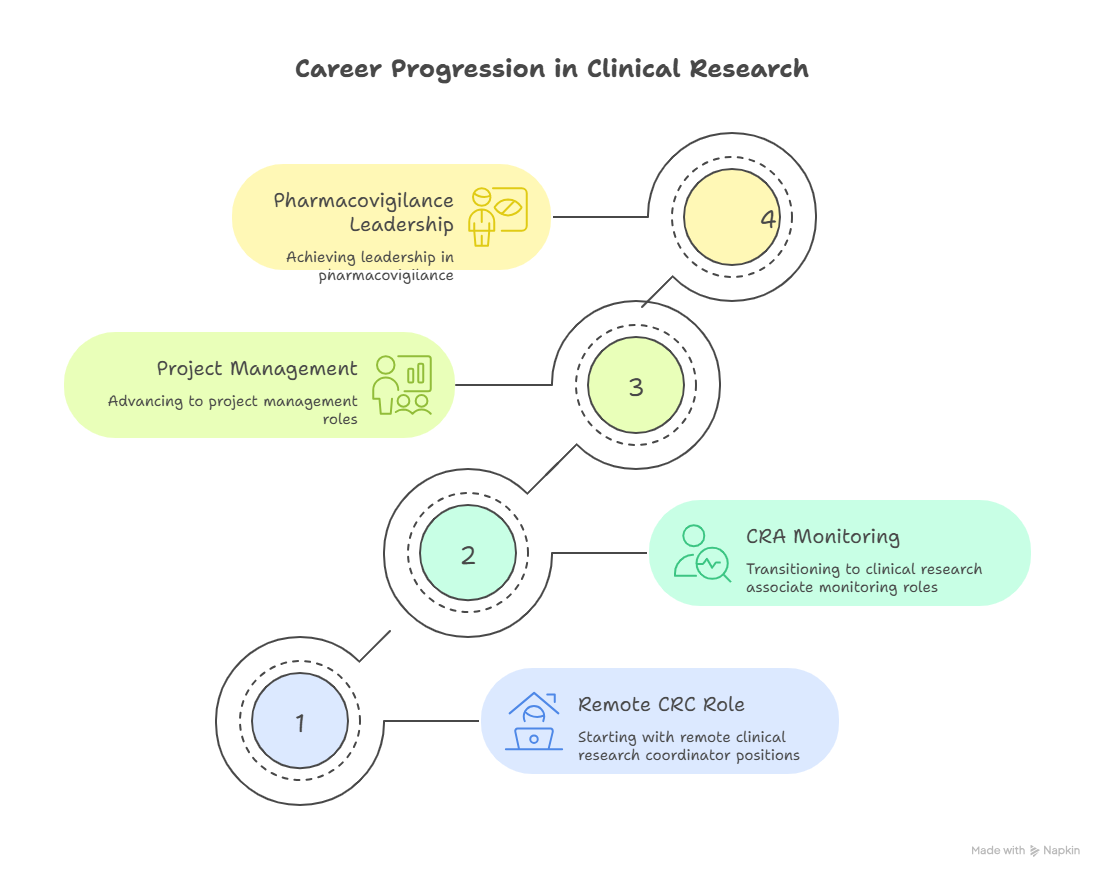
Wisconsin professionals who complete CCRPS certification quickly advance by pairing training with hands-on exposure. Graduates often begin with remote clinical research coordinator (CRC) positions, as seen in listings from the Top 100 Trial Sites Directory, then move toward CRA monitoring roles.
Once you’ve mastered risk-based monitoring and eTMF systems, the next natural transition is into project management or pharmacovigilance leadership. Many alumni also supplement with the Top 50 Pharmacovigilance Programs to specialize in safety oversight.
The CCRPS structure mirrors CRO workflows — meaning graduates understand exactly how documentation, query resolution, and protocol deviations operate in real life. That readiness is what sets Wisconsin professionals apart when applying to companies like Labcorp or PSI.
5. Wisconsin’s Future in Clinical Research: 2026 and Beyond
Looking ahead, Wisconsin’s research footprint will expand through partnerships between academic hospitals and national sponsors. According to projections cited in CCRPS’s Countries Winning the Clinical Trial Race Report, Midwest states are now leading the U.S. in decentralized trial deployment.
Between 2025–2026, expect growth in oncology, immunology, and device trials — areas requiring high-compliance certification. New technology platforms identified in the Top 50 Remote Monitoring Tools Guide will also continue enabling fully remote monitoring from Wisconsin.
For professionals eyeing international collaboration, CCRPS’s Global GCP Certification Pathway ensures global portability across the U.S., EU, and APAC.
With continuous investment in digital infrastructure and strong education pipelines, Wisconsin will remain one of the most promising Midwest states for remote-ready clinical research talent.
6. FAQs: Clinical Research Certification in Wisconsin (2025–2026)
-
The CCRPS Clinical Research Certification is globally recognized and aligned with ICH-GCP and FDA standards, making it ideal for both local and remote positions.
-
Yes — according to the Top 75 Remote CRA Jobs Directory, more than 70% of listings now accept candidates based in Wisconsin..
-
No. CCRPS is designed for both clinical and non-clinical backgrounds, including pharmacy, life sciences, and data analytics. -
The standard CCRPS Clinical Research Certification is self-paced and can be completed in 4–6 weeks.
-
Certified CRAs and CRCs earn between $90,000 and $110,000 annually, with higher compensation for oncology and Phase III monitoring roles.
-
Labcorp, Parexel, ICON, PSI, and IQVIA are consistently hiring Wisconsin-based remote staff, per CCRPS’s Top 100 CROs Directory.
-
Subscribe to CCRPS’s Clinical Research Job Alerts and browse verified lists like the Top 100 Hospitals Running Clinical Trials.
