Clinical Research Certification Ohio: Everything You Need to Know for 2025-2026
Ohio is becoming one of the most vibrant clinical research states in the U.S. — driven by Cleveland Clinic, Ohio State University, and a thriving biotech ecosystem across Columbus and Cincinnati. With over 2,400 active clinical trials and a growing need for regulatory-compliant professionals, earning your Clinical Research Certification has never been more crucial. This guide breaks down everything you need to know about certification, salaries, internships, and the fastest path to becoming job-ready in Ohio’s expanding medical research field.

1. Why Ohio’s Clinical Research Market Demands Certification
Ohio’s healthcare sector has seen steady annual growth, with biopharma investments exceeding $7.5 billion statewide. Institutions like Cleveland Clinic Innovations and Nationwide Children’s Hospital are accelerating Phase I-IV trials, increasing the need for professionals trained under ICH-GCP and FDA 21 CFR Part 312.
The CCRPS Clinical Research Certification provides accredited, self-paced training built around regulatory precision and applied site management. Compared to similar programs in Pennsylvania and Rhode Island, Ohio offers one of the most cost-efficient paths to certification thanks to hospital-sponsored study programs and hybrid internships.
Professionals completing CCRPS courses can transition into Clinical Research Associate (CRA), Coordinator (CRC), or Regulatory Specialist roles — all of which now list certification as a hiring prerequisite.
Ohio Clinical Research Certification Outlook (2025–2026)
| Key Factor | 2025–2026 Data for Ohio |
|---|---|
| Projected Job Growth | 17 % statewide increase |
| Average CRA Salary | $80 000 – $112 000 per year |
| Entry-Level CRC Pay | $56 000 – $64 000 |
| Top Hiring Cities | Cleveland, Columbus, Cincinnati, Toledo |
| Leading Employers | Cleveland Clinic, Ohio State Wexner, TriHealth |
| Recommended Certification | CCRPS Clinical Research Certification |
| Training Duration | 6–8 weeks (self-paced) |
| Exam Format | 100-question proctored exam online |
| Passing Score | 75 % |
| Renewal Cycle | Every 3 years (24 CE credits) |
| Accreditation Standards | ICH-GCP, HIPAA, FDA 21 CFR |
| Remote Role Availability | ≈ 44 % hybrid positions |
| Major CRO Partners | IQVIA, Parexel, PPD, ICON |
| Internship Length | 8–12 weeks |
| Career Path | CRC → CRA → Project Manager → Director |
2. Steps to Earn Your Clinical Research Certification in Ohio
1️⃣ Enroll with CCRPS. The CCRPS Clinical Research Certification offers globally recognized coursework that meets both FDA and ICH-GCP standards.
2️⃣ Complete modular training. Modules span protocol design, safety reporting, and sponsor audit readiness.
3️⃣ Pass the exam. A 100-question proctored test evaluates comprehension and applied analysis.
4️⃣ Apply skills through internships. CCRPS connects graduates with local partners similar to placements outlined in South Carolina and South Dakota.
5️⃣ Renew every three years through continuing-education modules.
These steps not only boost employability but also ensure readiness for sponsor-level monitoring tasks, something CROs like Parexel prioritize in candidate evaluation.
3. Career Growth and Salary Insights in Ohio
Ohio’s research sector rewards certification with immediate ROI. CCRPS graduates report 25–40 % salary increases within the first year. Positions such as CRA I–III or Regulatory Affairs Coordinator can exceed $110 K annually.
Hospitals and CROs are hiring aggressively, following models outlined in Tennessee and Virginia, where certification has become a baseline requirement.
Professionals with prior lab or nursing backgrounds use CCRPS credentials to transition into remote CRA or site-monitoring roles, particularly valuable as hybrid trials expand post-2025.
What’s Holding You Back from Getting Certified in Ohio?
4. Internship and Placement Support
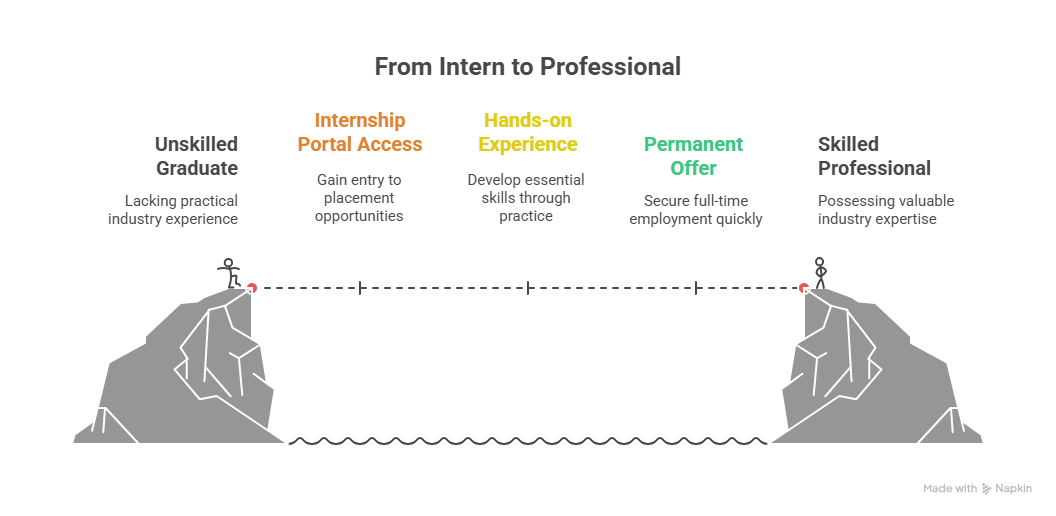
Through the CCRPS Internship Portal, graduates gain access to placements with PPD, IQVIA, and Cincinnati Children’s Hospital. Interns receive hands-on exposure to data verification, site coordination, and regulatory submission — essential skills for both entry- and mid-level roles.
This model mirrors what’s described in Oregon and Utah, where structured 8–12-week internships led to permanent offers in under 90 days.
Oklahoma-based CRA programs have shown similar placement outcomes, validating CCRPS’s career-pathway consistency across states.
5. Why CCRPS Leads Ohio’s Certification Standard
CCRPS stands out for its global accreditation, FDA-aligned training, and unmatched employer recognition. Its online system allows learners to advance without disrupting current employment.
Graduates from Wisconsin and Washington demonstrate how CCRPS produces consistent, job-ready professionals with measurable skill portfolios.
Key benefits for Ohio students:
24/7 self-paced learning portal accessible worldwide
ICH-GCP-based curriculum validated by sponsors and regulators
Real-case assignments replicating on-site trial tasks
Renewable credential every 3 years for ongoing compliance
6. FAQs: Clinical Research Certification Ohio (2025–2026)
-
Anyone with a life-science degree or equivalent clinical experience can enroll.
-
Around 6–8 weeks through self-paced modules.
-
Yes — Cleveland Clinic, TriHealth, and Nationwide Children’s Hospital all recognize CCRPS credentials.
-
Yes, a 100-question proctored exam conducted digitally.
-
Yes, via its internship network with CROs and health systems.
-
Every three years with 24 CE credits.
-
Certified CRAs earn $80 K to $112 K; senior roles reach $130 K+.
