
The Future of Clinical Trial Management: Trends and Innovations

As we navigate through 2025, the landscape of clinical trial management (CTM) is undergoing a significant transformation. Driven by technological advancements and the need for more efficient, patient-centric approaches, several key trends are shaping the future of CTM. This comprehensive guide explores the pivotal innovations redefining clinical trials, including artificial intelligence, decentralized models, wearable technologies, and blockchain integration.
Artificial Intelligence and Machine Learning:
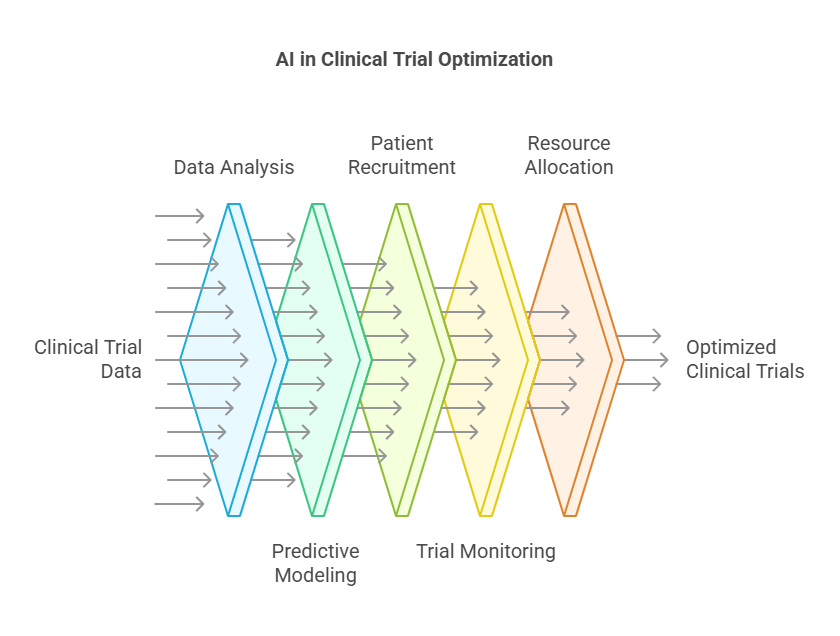
Artificial Intelligence (AI) and Machine Learning (ML) are increasingly integral to clinical trial processes, offering solutions to longstanding challenges in data management and analysis.
Enhancing Data Analysis and Predictive Modeling
Accelerated Data Processing: AI algorithms can swiftly analyze vast datasets, identifying patterns and anomalies that might be overlooked by traditional methods.
Predictive Analytics: ML models can forecast patient responses to treatments, aiding in the design of more effective trials.
Optimized Patient Recruitment: AI tools can match eligible participants to appropriate trials by analyzing electronic health records and other data sources.
Streamlining Trial Operations
Automated Monitoring: AI systems can continuously monitor trial data for compliance and safety issues, reducing the burden on human monitors.
Resource Allocation: Predictive models assist in efficient resource distribution, ensuring that trials are conducted within budget and time constraints.
Related Blog: The Role of Data Management in Successful Clinical Trials
Decentralized Clinical Trials (DCT):
Decentralized Clinical Trials represent a paradigm shift from traditional, site-centric studies to more flexible, patient-oriented approaches.
Benefits of DCTs
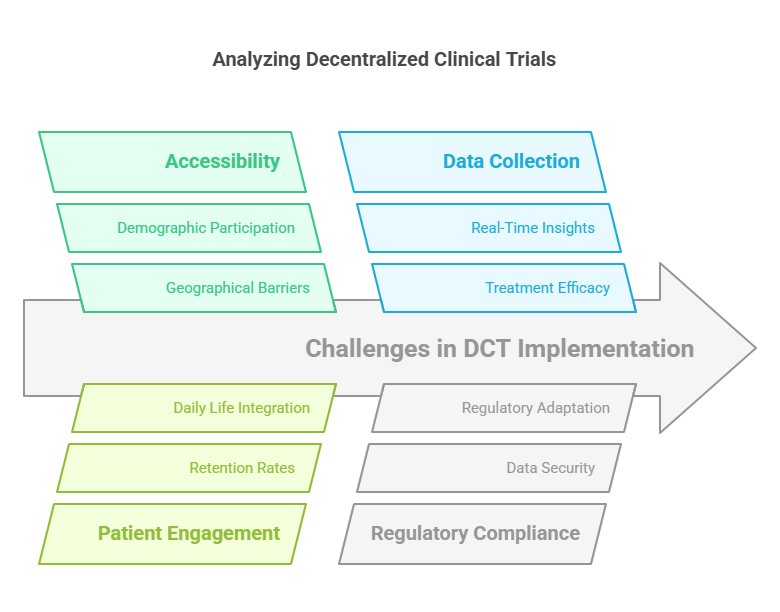
Increased Accessibility: By allowing participants to engage from their homes, DCTs remove geographical barriers, enabling broader demographic participation.
Enhanced Patient Engagement: Remote participation can lead to higher retention rates, as patients can integrate trial activities into their daily lives more seamlessly.
Real-Time Data Collection: Digital tools facilitate continuous data gathering, providing researchers with timely insights into patient health and treatment efficacy.
Challenges and Considerations
Data Security: Ensuring the confidentiality and integrity of patient data collected remotely is paramount.
Regulatory Compliance: Adapting to evolving regulations that govern remote trials requires careful planning and execution.
The FDA acknowledges the growing role of DCTs and digital health technologies, highlighting their potential to make clinical trials more inclusive and efficient.
Related Blog: Top 5 Clinical Trial Data Management Strategies You Should Know
Wearables and Digital Health Tools:
The integration of wearable devices and digital health tools into clinical trials is revolutionizing how data is collected and analyzed.
Advantages of Wearable Technologies
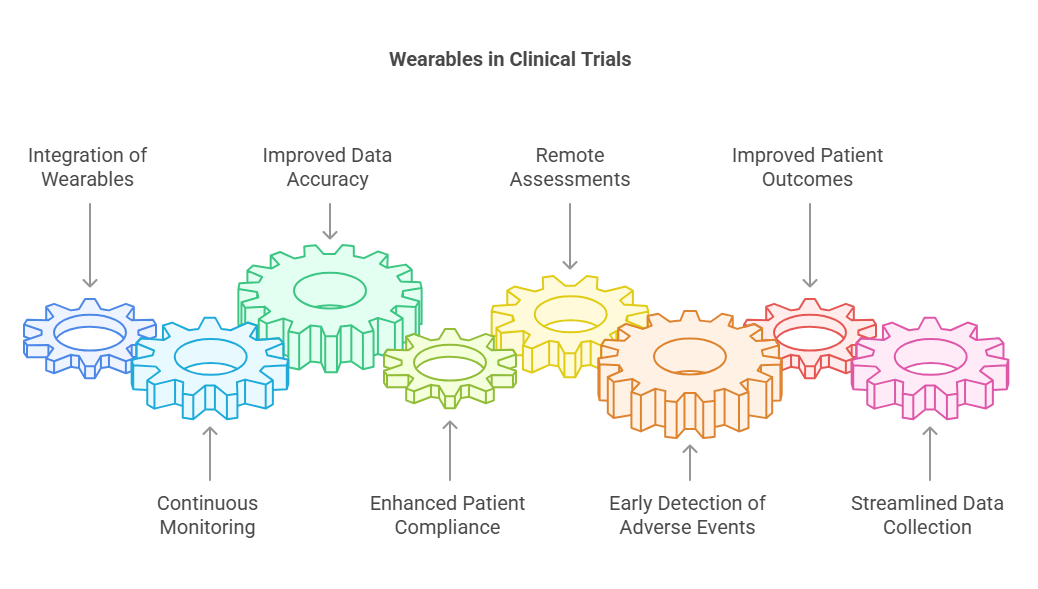
Continuous Monitoring: Devices like smartwatches and fitness trackers provide ongoing data on vital signs, activity levels, and other health metrics.
Improved Data Accuracy: Automated data collection reduces the risk of human error associated with manual reporting.
Enhanced Patient Compliance: User-friendly devices encourage consistent use, leading to more reliable data.
Implementation in Clinical Trials
Remote Assessments: Wearables enable the remote monitoring of patients, reducing the need for frequent site visits.
Early Detection of Adverse Events: Real-time data can alert researchers to potential safety concerns promptly.
The adoption of wearables in clinical trials is expected to continue growing, driven by their ability to improve patient outcomes and streamline data collection.
Relevant Blog: Best Practices for Clinical Trials and Data Management
Blockchain for Clinical Trials:
Blockchain technology offers a decentralized, secure method for recording and sharing data, addressing critical concerns in clinical trial management.
Key Benefits
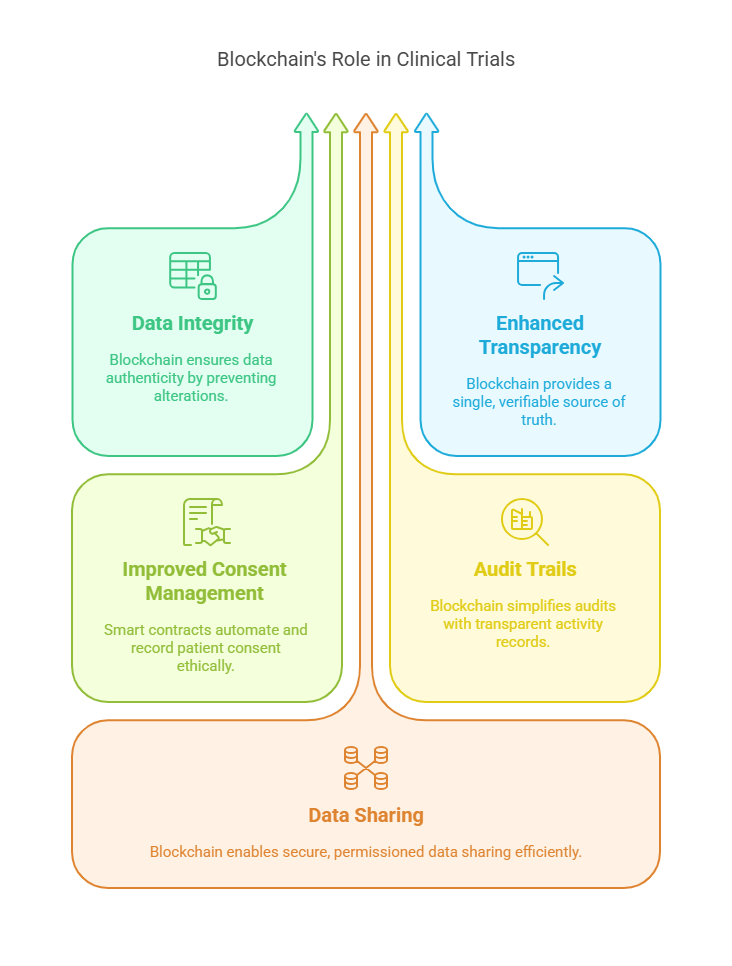
Data Integrity: Blockchain's immutable ledger ensures that trial data cannot be altered, preserving its authenticity.
Enhanced Transparency: All stakeholders can access a single, verifiable source of truth, fostering trust in the trial process.
Improved Consent Management: Smart contracts can automate and record patient consent, ensuring compliance with ethical standards.
Practical Applications
Audit Trails: Blockchain provides a transparent record of all trial activities, simplifying audits and regulatory reviews.
Data Sharing: Secure, permissioned access allows for efficient data sharing among researchers, sponsors, and regulators.
Implementing blockchain in clinical trials enhances data security and fosters greater transparency, addressing some of the most pressing challenges in the field.
Lesser-Known Facts About Clinical Trial Innovations
Virtual Reality (VR) in Patient Training: VR is being used to educate patients about trial procedures, improving understanding and compliance. (Source)
AI-Powered Chatbots: Chatbots assist in patient recruitment and engagement, providing instant responses to queries. (Source)
Digital Twins: Simulated models of patients (digital twins) are used to predict responses to treatments, optimizing trial designs. (Source)
Gamification Strategies: Incorporating game elements into trial participation can boost patient engagement and retention.
Decentralized Data Storage: Beyond blockchain, decentralized storage solutions like IPFS are being explored for secure data management.
Wearable Biosensors: Advanced biosensors can detect biochemical changes, offering deeper insights into patient health.
AI in Adverse Event Prediction: Machine learning models are being developed to predict and prevent adverse events before they occur.
Remote Blood Sampling: Devices enabling patients to collect blood samples.
Explore Courses for Clinical Research Career
Courses Available:
Conclusion
Clinical trial management is evolving rapidly in 2025 with technologies like AI, decentralized models, wearables, and blockchain leading the way. These innovations are making trials more efficient, secure, and patient-centric. At CCRPS, we equip clinical research professionals with the skills and certifications needed to stay ahead in this dynamic field.
Frequently Asked Questions (FAQs)
-
AI is used to analyze large data sets, optimize patient recruitment, monitor data for errors or anomalies, and predict outcomes to make trials more efficient and accurate.
-
Yes. The FDA supports decentralized clinical trials (DCTs) and continues to issue guidelines to help sponsors implement remote technologies while maintaining compliance.
-
Wearables provide real-time, continuous monitoring of health metrics, which leads to more comprehensive and accurate data collection, reducing reliance on self-reported information.
-
Absolutely. Blockchain ensures data cannot be altered once recorded, which increases transparency, enhances data security, and facilitates easier audits.