
Passing the Clinical Research Assistant Certification Expert Strategies
Becoming a certified Clinical Research Assistant (CRA) is more than a résumé booster—it’s a direct path to higher-paying research roles, increased responsibility, and a stronger presence in clinical trials. As pharmaceutical, biotech, and medical research sectors scale up post-pandemic, the demand for certified CRAs has surged across the globe.
But passing the certification exam isn't just about hard work. It’s about strategy. Without a systemized approach to preparation, most candidates either burn out or underperform. That’s why this guide strips out the noise and delivers expert-backed techniques that consistently work. We’ll break down what makes the certification valuable, how to prepare like a professional, and what pitfalls to avoid. Whether you're a medical assistant transitioning to research or a recent grad entering the clinical space, this guide will get you exam-ready faster—with confidence and clarity.

Why the Clinical Research Assistant Certification is Crucial
Securing the Clinical Research Assistant Certification is no longer just a bonus on your résumé—it’s a professional filter. Employers in CROs, hospitals, and biotech firms often eliminate uncertified candidates before interviews even begin. In regulated industries like clinical research, certification provides assurance of protocol literacy, regulatory awareness, and trial support skills.
It Proves You’re Trained for Regulatory Precision
Clinical research is governed by GCP (Good Clinical Practice), FDA, and ICH guidelines. Certification demonstrates you’ve been exposed to these standards, know how to handle source documents, and can prevent audit-triggering errors. Without certification, you're just another trainee. With it, you're validated.
It Shortens Your Learning Curve at the Job
Uncertified hires often require months of on-the-job onboarding to grasp trial structures, sponsor expectations, and visit prep workflows. But a certified assistant enters with foundational understanding—reducing errors, ramp-up time, and supervisor oversight. This increases your trust factor on studies from day one.
Employers Use It to Filter for Serious Candidates
Many hiring managers openly admit they use certification as a signal for discipline and initiative. A candidate who self-initiates exam prep is seen as someone who can take ownership, follow through, and handle study timelines. In a field where missed deadlines can cost millions, that’s non-negotiable.
It Opens Doors to Specialized Roles
With certification, you’re not limited to just CRC support roles. You can support regulatory submission teams, handle AE/SAE tracking, and eventually pivot to CRA or Clinical Project Manager positions. It builds your career mobility inside and outside of clinical settings.
It's Increasingly Required by Sponsors
Global trials are being outsourced more frequently to CROs and remote teams. Sponsors—especially in oncology and rare disease trials—now require certified team members for trial oversight. That requirement trickles down to hiring and staffing mandates.
In short, the Clinical Research Assistant Certification doesn’t just make you more hireable. It protects trial integrity, enhances your speed-to-productivity, and positions you as a strategic asset to clinical teams. Without it, you’re likely to remain in temp contracts, slow-growth roles, or overlooked altogether.

Expert Study Techniques for the Exam
Passing the Clinical Research Assistant Certification demands more than just reading textbooks. It requires cognitive efficiency, retention mastery, and a tactical approach that mirrors real exam expectations. The strategies below are used by top scorers and designed to compress study time while maximizing retention.
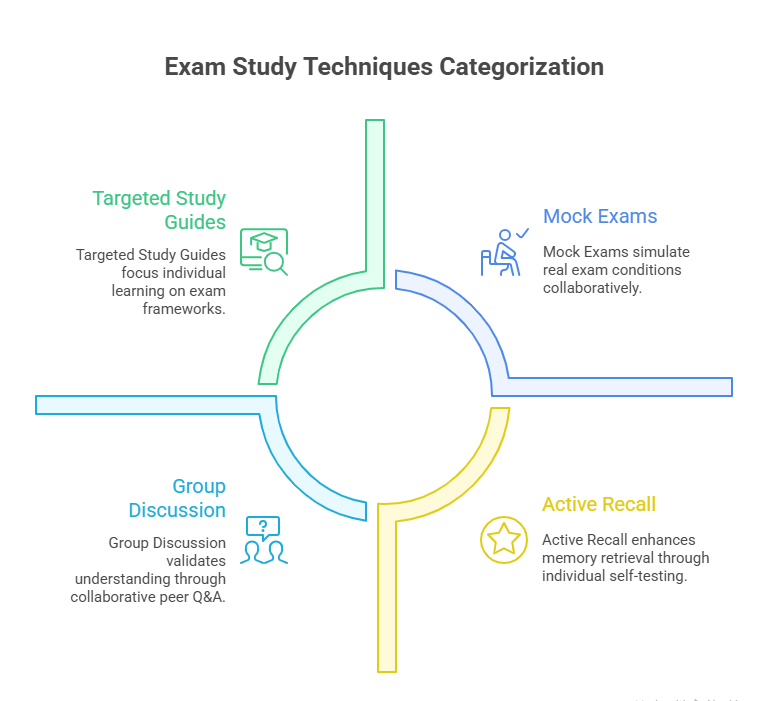
Active Recall and Spaced Repetition
Passive reading doesn’t work—it creates false confidence. Instead, use active recall: test yourself regularly on what you’ve studied without looking at your notes. This forces your brain to retrieve and strengthen information pathways.
Pair that with spaced repetition tools like Anki or Quizlet. These use algorithms to reintroduce concepts at optimal intervals, ensuring you don’t forget critical content by exam day. It’s especially effective for memorizing acronyms, regulations, and document protocols that are heavily tested.
Use this method for:
ICH GCP definitions and Section 4 roles/responsibilities
Types of source documents and deviations
Roles of study sponsors, investigators, and IRBs
Together, these tools turn memorization into long-term mastery.
Group Study and Peer Discussions
Solo studying can isolate your understanding. Group study sessions—if structured—help cross-verify comprehension gaps, simulate verbal recall, and force you to teach what you know.
Use peer discussion to role-play:
Informed consent conversations
Protocol deviation scenarios
AE/SAE reporting workflows
Just 60 minutes of structured weekly discussion can expose errors in your logic and improve your retention through real-world application. Avoid unstructured sessions—keep each meeting outcome-based and focused on practice questions or concept debates.
Finding the Best Study Materials
Don’t waste time chasing random PDFs or blogs. Use vetted resources aligned with the certification blueprint, such as:
GCP E6(R2) Official Guideline PDF
Certification-specific study guides
Practice exams from the certifying body
Clinical trial glossaries from FDA/NIH
Always match your materials with what’s actually tested. Many students fail because they study everything instead of targeting what matters. Your goal is not to learn clinical research in general—your goal is to pass a highly specific certification with measurable outcomes.
Supplement your prep with:
A question bank of at least 300+ randomized items
3–5 mock exams under timed conditions
A highlighter method: Green (Mastered), Yellow (Uncertain), Red (Needs Review)
This way, you ensure every study minute is optimized for maximum conversion to correct answers on test day.
Navigating the Exam Structure
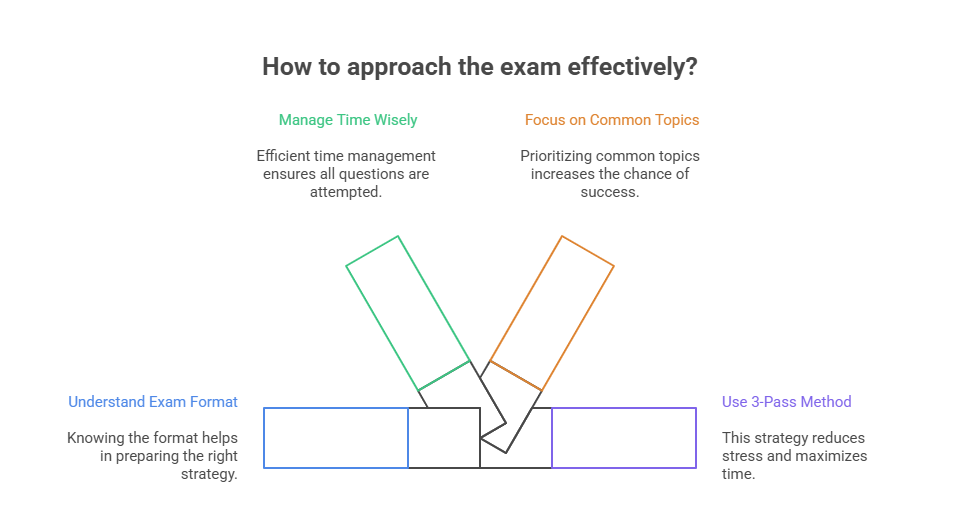
Understanding how the Clinical Research Assistant Certification exam is structured is critical. Most candidates don’t fail due to lack of knowledge—they fail because they mismanage time, misread question styles, or over-prepare for the wrong sections. This section breaks down what you’ll face and how to tactically prepare.
Types of Questions (Multiple Choice, Short Answer)
Most exams are predominantly multiple-choice, with 4–5 options per question. However, what makes them challenging is that multiple answers can appear correct—but only one aligns with the precise guideline or protocol.
Here’s what to expect:
Scenario-Based Questions: You’ll read a clinical scenario and must choose the correct action (e.g., AE reporting or documentation protocol).
Terminology Matching: Definitions tied to terms like source data verification, case report forms, and protocol deviation.
Regulatory Questions: You’ll be tested on the ICH GCP E6(R2) clauses and FDA roles, especially around informed consent and investigator responsibilities.
Some formats include short-answer style questions—less common, but possible. These require you to recall a specific process or regulation without options, so rote memorization won’t help—real comprehension is key.
Timing and Scheduling
The exam typically ranges from 90 to 150 minutes, depending on the certifying body. Expect 90–120 questions, which gives you about 1 minute per item.
Use this strategy to dominate timing:
First Pass – 60% Rule: Only answer what you’re immediately confident in. Don’t pause.
Second Pass – 30% Rule: Revisit marked questions that need thinking time.
Final Pass – 10% Rule: Use remaining time for final review. Don’t overchange answers unless absolutely necessary.
Before test day:
Take at least 3 timed mock exams.
Practice under full test conditions (no phone, water only, silence).
Use a watch with countdown timer during mocks to mimic pressure.
On test day:
Arrive 30 minutes early to reduce cortisol spikes.
Don’t cram last-minute—the brain freezes under panic.
Focus on breathing and recall tactics (e.g., keyword association or flash visualization).
Knowing the format makes your preparation targeted and eliminates test-day surprises. Every hour you spend understanding question types and time allocation translates into a score boost you can control—unlike the content, which is fixed.
Common Pitfalls and How to Avoid Them
Failing the Clinical Research Assistant Certification isn’t usually about knowledge—it’s about poor preparation strategy and mental breakdowns. Here are the most damaging mistakes candidates make, and how to shut them down before they sabotage your success.
Overloading Yourself
Too many candidates believe more is better. They drown in hundreds of pages of notes, multiple textbooks, and irrelevant YouTube videos. But this leads to fragmented focus, mental fatigue, and eventual burnout.
Avoid this by:
Sticking to 2 core study resources only
Creating a daily cap on study hours (3–4 hours max)
Allocating time to review, not just new intake
Remember, cognitive load is real. You retain more from 90 minutes of focused recall than 6 hours of scattered reading. The goal isn’t to overprepare—it’s to retain what the exam will test.
Ignoring Practice Questions
This is a silent killer. Some candidates study for weeks without solving a single practice question. Then they walk into the exam and get blindsided by trick phrasing, distractors, and regulation-based scenarios.
Why this destroys you:
You can’t build pattern recognition without question exposure
You miss subtle differences between right and best answers
You develop confidence based on reading, not testing
Fix this by drilling 25–50 practice questions per day, from day 5 of your prep onwards. Mark every incorrect one and track why you got it wrong—not just what the right answer was. This reflection loop is where the gains happen.
Failing to Stay Calm on Exam Day
You could be 100% ready—but if you panic, go blank, or start second-guessing, it’s over. Test-day anxiety physiologically shuts down recall, especially under pressure.
Combat this with:
Mock exams under pressure (set alarms, mimic stress)
Box breathing (4-4-4-4 method) pre-exam
A 48-hour taper (no new content) before the real test
Treat exam day like a performance—not a study session. Your mindset determines how well you access what you already know, and that’s what truly defines your score.
| Pitfall | How to Avoid |
|---|---|
| Overloading with Content | Limit to 2 core study materials and 1 high-quality question bank |
| Ignoring Practice Tests | Drill 25–50 questions daily starting Week 2 |
| Cramming Last Minute | Taper off new material in the final 48 hours before the exam |
| Mental Burnout | Cap sessions at 3–4 focused hours per day |
| Test Day Panic | Simulate pressure with mock exams under real conditions |
Study Resources and Preparation Tools
Choosing the right tools can shave weeks off your study time and make the difference between passing and borderline failure. Instead of drowning in options, zero in on resources proven to align with the Clinical Research Assistant Certification blueprint.
Start with the official ICH GCP E6(R2) guidelines. These are non-negotiable. Most questions will be drawn from its contents—particularly sections on investigator responsibilities, informed consent, and monitoring procedures. Read it twice, then switch to recall testing.
Next, get a certification-specific study guide. Don’t waste time on general clinical research books. You want a guide tailored to the certification’s scope, format, and topic depth. Look for guides that include topic summaries, visual frameworks, and practice questions after each chapter.
Invest in a question bank with at least 300 randomized items. Prioritize tools with explanation-based feedback—not just right or wrong answers. Good question banks teach you how to think, not just what to remember.
Use free digital flashcard tools like Anki to automate your spaced repetition. Load in GCP definitions, acronyms, and protocol triggers. Schedule daily reviews that reinforce previously seen terms just as they’re about to be forgotten.
For time management and scheduling, consider platforms like Notion or Trello to build a visual study tracker. Organize by topic clusters: GCP, AE reporting, trial documents, roles/responsibilities, etc. This lets you focus on what matters instead of wandering aimlessly.
Don’t overcomplicate it—high-yield materials + consistent testing = certification. Anything else is distraction.
| Resource Type | Why It Matters |
|---|---|
| ICH GCP Guidelines | Provides the core regulatory framework tested in the exam |
| Certification-Specific Guide | Delivers targeted content aligned with exam scope |
| Question Bank | Improves recall under pressure with scenario-based questions |
| Anki Flashcards | Supports spaced repetition for long-term memory retention |
| Notion or Trello | Helps organize prep with visual topic tracking |
How Expert Strategies Align with the Clinical Research Assistant Certification
Every strategy outlined so far isn’t random—it’s built to mirror the real expectations of the Clinical Research Assistant Certification exam. The exam isn’t just testing what you know—it’s assessing whether you’re truly prepared to support real-world clinical trials in a compliant, efficient, and error-free manner.
This certification expects you to:
Understand and apply ICH GCP principles
Accurately differentiate between source data, CRFs, and investigator files
Follow AE/SAE reporting chains without delay
Recognize the roles of study monitors, PIs, and regulatory authorities
That’s why active recall, question bank drilling, and spaced repetition aren’t optional—they directly train the exact cognitive patterns the exam rewards.
When you structure your prep around these tactics, you're not just “studying”—you’re creating automatic recall pathways for high-stakes decision-making in real clinical environments.
More importantly, passing the exam positions you as GCP-compliant and certification-ready in the eyes of CROs, sponsors, and hospital-based research programs. It gives you credibility when applying for positions like:
Clinical Research Assistant
Regulatory Document Specialist
Study Coordinator Support
Clinical Trial Data Administrator
The exam isn’t theoretical—it’s designed to verify readiness for trial execution support. That’s why every minute of study you invest using this framework maps directly to what the certification body is validating.
Frequently Asked Questions
-
Most candidates require 4–6 weeks of focused preparation to pass the Clinical Research Assistant Certification. This timeline assumes 1–2 hours of study per day using active recall, mock exams, and GCP-guided review. If you’re balancing a full-time job, you may need closer to 8 weeks. The key is not the total hours but the quality of study time and strategy. Candidates who follow a structured plan with spaced repetition and high-quality question banks often pass faster, even with fewer hours invested. Avoid long cramming sessions—they’re less effective for the exam’s scenario-based format. Consistency and targeted practice are what lead to first-attempt success.
-
The most commonly tested areas include ICH GCP guidelines, especially investigator responsibilities, informed consent processes, and adverse event handling. You’ll also see repeated emphasis on source documentation, case report forms (CRFs), and protocol deviation handling. Many questions are framed around real-life clinical trial scenarios, making it vital to understand how regulatory frameworks apply in practice. Memorizing definitions alone isn’t enough—you need to know how and when to apply them. Familiarity with trial workflows, ethical standards, and IRB roles also frequently appears. Focus your preparation on high-impact topics and regulatory compliance, as these form the core of the certification exam blueprint.
-
The exam typically consists of 90–120 multiple-choice questions, with 4–5 answer options each. Questions are scenario-based, requiring you to choose the most accurate or compliant action in a given clinical situation. Some exams also include short-answer or fill-in-the-blank questions to test critical recall of terminology and process flows. You’ll be expected to complete the exam in 90 to 150 minutes, depending on the certifying body. There’s no negative marking, so it’s wise to answer all questions. Time management is critical—stick to one minute per question as a baseline. Familiarizing yourself with these formats through mock exams significantly boosts test-day performance.
-
Most Clinical Research Assistant Certification providers now offer online proctored exams, especially post-COVID. This allows you to take the exam from home, provided you meet technical requirements like stable internet, webcam access, and a quiet environment. The system will monitor your session via live or automated proctoring to ensure exam integrity. You may need to install a lockdown browser and follow ID verification steps before starting. If you prefer an in-person setup, some organizations still offer testing center options, but online flexibility has become the norm. Check your certifying body’s policies to confirm which formats are available for your region.
-
Failing isn’t the end—but it’s costly. Most certifying bodies allow you to retake the exam after a mandatory waiting period, often 14–30 days. You may need to pay a re-exam fee, so it's crucial to avoid failure by following a proven prep strategy. If you didn’t pass, start by analyzing your weak areas—whether it was time management, question misinterpretation, or regulatory confusion. Review flagged topics using question breakdowns and mock exam reviews. Avoid repeating the same study method that led to failure. Instead, adjust by adding active recall, spaced repetition, and timed mock drills to build confidence before your next attempt.
-
No prior experience is required, but it helps. The Clinical Research Assistant Certification is designed to be accessible to newcomers while still challenging enough for those with some exposure. If you’re completely new, you’ll need to rely more heavily on structured study methods like scenario-based learning, flashcards, and GCP-focused video lectures. For those with prior internship or job experience, the exam may feel more intuitive. Regardless of your background, exam success depends on understanding regulatory frameworks, not just memorizing terms. Even without experience, a focused 4–6 week prep plan can bridge the gap and lead to certification.
-
The smartest move is to align all study resources with the certification exam blueprint. Start by downloading the ICH GCP E6(R2) guidelines—they form the exam’s backbone. Then, choose a certification-specific guide that breaks down key topics like AE reporting, protocol deviations, and site responsibilities. Avoid wasting time on general clinical research books—they’re too broad. You should also use a question bank with detailed answer rationales, and a flashcard tool like Anki to support spaced repetition. If your study time is limited, focus 80% of your effort on the most tested topics, verified through sample questions and mock exams.
Conclusion
Passing the Clinical Research Assistant Certification isn’t about studying harder—it’s about studying smarter, with surgical precision. You now have a clear, high-performance roadmap: master active recall, use spaced repetition, drill real exam-style questions, and align every action with GCP and protocol expectations. Avoid overwhelm, cut the fluff, and focus on exam-aligned material only.
This isn’t just a test of memory—it’s a professional readiness exam. Employers, sponsors, and trial sites look for candidates who aren’t just certified—but confidently capable from day one. When you follow these expert strategies, you position yourself not just to pass, but to become a critical asset to any clinical research team.
