What You Need to Know About the Future of Medicine?
As we move deeper into the 21st century, the future of medicine is evolving at an unprecedented pace. Advances in biotechnology, genetic research, and healthcare technologies are paving the way for potentially groundbreaking treatments and therapies. This blog delves into the ongoing research and clinical trials shaping tomorrow’s healthcare, highlights the most promising breakthroughs on the horizon, and explores the intersection of biotechnology and healthcare. With these innovations, medicine will soon enter a new era, offering more precise, effective, and personalized treatments than ever before.
Ongoing Research and Clinical Trials
Research is the foundation of all medical advancements, and today’s cutting-edge studies promise to transform patient care globally. From genetic therapies to advanced diagnostics, clinical trials are testing out ideas that could revolutionize the medical landscape.
Gene Editing and CRISPR Technology
One of the most exciting areas of research is gene editing. The CRISPR-Cas9 technology, which allows scientists to alter DNA with unprecedented precision, is already showing great promise. This technology could potentially cure genetic disorders like sickle cell anemia and cystic fibrosis. Researchers are exploring CRISPR's role in treating cancer, where modifying the patient's immune cells could help them fight off tumor cells more effectively. As of 2025, clinical trials are underway to test CRISPR-based therapies in human patients, which may soon lead to treatments that can correct genetic mutations before they manifest as diseases.
Immunotherapy and Cancer Research
Another breakthrough area is immunotherapy, a treatment that harnesses the body's immune system to fight cancer. Clinical trials are showing incredible success rates, especially with melanoma, lung cancer, and other previously hard-to-treat cancers. CAR-T cell therapy, which involves modifying a patient’s T cells to target cancer cells, is already approved for some types of leukemia and lymphoma. This personalized approach to cancer treatment could extend to other cancers in the near future. By 2025, the effectiveness and accessibility of immunotherapies are expected to reach new heights.
mRNA Vaccines: Beyond COVID-19
While mRNA vaccines became widely known during the COVID-19 pandemic, their potential goes far beyond viral infections. Researchers are currently investigating mRNA-based vaccines for diseases like HIV, cancer, and even malaria. By 2025, it’s possible that mRNA vaccines could be a routine part of medical practice, helping to prevent or treat a variety of diseases with greater efficiency and safety compared to traditional vaccine methods.

Potential Breakthroughs on the Horizon
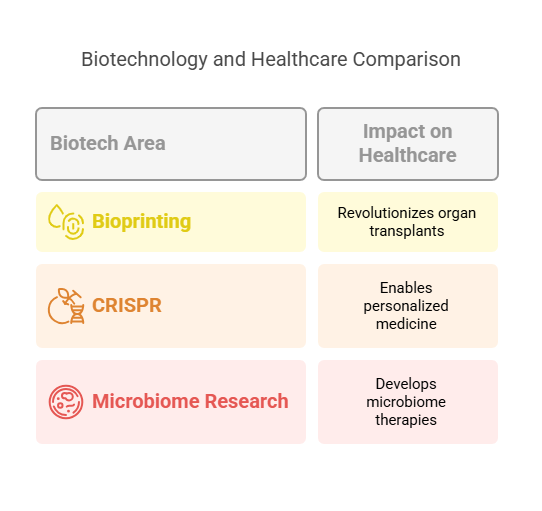
While the current research is groundbreaking, what lies ahead could be even more remarkable. With faster data processing, improved AI algorithms, and enhanced lab techniques, the following innovations are on the horizon:
Personalized Medicine
Personalized or precision medicine is becoming more prominent as we learn more about the human genome. By 2025, it is expected that doctors will be able to prescribe treatments based not just on symptoms but on a patient's genetic makeup. This could mean everything from custom cancer therapies to the creation of individualized drugs that are far more effective than one-size-fits-all solutions.
Regenerative Medicine and Stem Cell Therapies
Regenerative medicine is a field that uses stem cells to repair or replace damaged tissue, organs, or bones. In the future, we may see groundbreaking treatments for conditions like heart disease, neurological disorders, and severe injuries. By 2025, stem cell therapies could become common practice in treating everything from arthritis to spinal cord injuries, helping patients regain function and quality of life.
Nanomedicine
Nanotechnology is beginning to play a significant role in medicine, with the potential to deliver drugs directly to the site of illness. Nanomedicine could offer targeted cancer therapies that minimize damage to healthy cells, or even help heal wounds or infections faster. As we advance toward 2025, it's possible that nanomedicine will open new frontiers in pain management, chronic disease treatment, and healing processes.
Artificial Intelligence and Diagnostics
AI is already being used to help doctors interpret medical data, but its potential goes far beyond that. By 2025, AI-powered diagnostic tools could become routine for everything from reading X-rays to diagnosing rare diseases. Machine learning algorithms, capable of analyzing vast amounts of data, will lead to quicker, more accurate diagnoses, possibly identifying illnesses before symptoms even appear.
The Intersection of Biotechnology and Healthcare
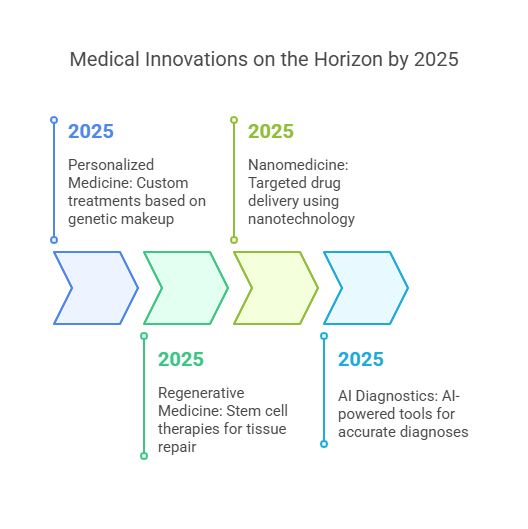
The synergy between biotechnology and healthcare is shaping the future of medicine in profound ways. Here are some key areas where biotechnology is intersecting with healthcare:
Bioprinting Organs and Tissues
Bioprinting, or 3D printing of biological tissues, is an emerging field that could revolutionize organ transplants. Scientists are already using bioprinters to create skin for burn victims and liver tissue for those suffering from liver disease. In the next decade, 3D-printed organs may be a reality, making organ shortages a thing of the past.
CRISPR and Personalized Healthcare
The application of CRISPR gene-editing technology is not just limited to treating genetic disorders but is also being applied to personalized medicine. By editing genes tailored to individual needs, biotechnology could allow healthcare providers to treat patients based on their unique genetic profile. This could drastically improve the precision of treatments, making them more effective and less likely to have adverse side effects.
Microbiome Research
Recent research into the human microbiome (the collection of microbes in the body) has uncovered how these tiny organisms affect our health. By 2025, we could see probiotics and other microbiome-targeting therapies used to prevent or treat everything from autoimmune diseases to mental health conditions. Biotechnology companies are already exploring the use of microbiome-based therapies for diseases like Crohn’s disease and obesity.
10 Lesser-Known Facts About the Future of Medicine
AI in Medicine Will Help Predict Future Diseases: AI can analyze health data and predict diseases before symptoms appear. (Source)
Quantum Computing Will Accelerate Drug Discovery: Quantum computers may soon allow researchers to simulate how drugs interact with the body, speeding up the drug discovery process.
Nanobots Could Perform Surgery: Tiny robots may one day be used to perform minimally invasive surgeries, eliminating the need for large incisions.
Synthetic Biology May Create Custom Vaccines: Future vaccines could be made using synthetic biology, offering more effective prevention against various diseases.
Wearable Health Monitors Will Be Routine: By 2025, wearable devices that monitor everything from heart rate to blood sugar levels may become a standard part of healthcare. (Source)
Bioelectronics Could Treat Chronic Pain: Bioelectronics are devices that interact with the nervous system and could be used to treat chronic pain more effectively than traditional methods.
3D-Printed Human Tissues Could Save Lives: Researchers are working on 3D-printed tissues that could be used in surgery or to replace damaged organs.
CRISPR May Help in Preventing Alzheimer’s Disease: Gene editing could be used to target and eliminate the genetic factors that contribute to Alzheimer’s disease.
Regenerative Medicine Will Help Us Live Longer: Stem cell therapies may help us regenerate damaged tissues and organs, potentially extending our lifespan.
Nanoparticles Will Help Treat Cancer More Effectively: Nanoparticles can deliver cancer drugs directly to tumors, making treatments more effective and reducing side effects.
Related Blogs
Emerging Medical Treatments in 2025
How New Medical Treatments are Revolutionizing Chronic Disease Management?
Explore Courses for Clinical Research Career
Courses Available:
Conclusion
The future of medicine is incredibly bright, with ongoing research and clinical trials paving the way for unprecedented breakthroughs. Innovations in gene editing, immunotherapy, and nanotechnology will soon transform how we treat diseases and manage healthcare. As these advances continue to unfold, the intersection of biotechnology and healthcare will bring about a more personalized, efficient, and effective medical landscape. At CCRPS, we are excited to witness the remarkable changes ahead and how they will reshape the world of medicine for the better.
Frequently Asking Questions (FAQs)
-
Breakthroughs like personalized medicine, CRISPR-based therapies, and mRNA vaccines for various diseases are expected to change healthcare by 2025.
-
Biotechnology will continue to enhance cancer treatments through personalized therapies, gene editing, and improved immunotherapies, increasing effectiveness and reducing side effects.
-
AI will assist in diagnosing diseases by analyzing medical data faster and more accurately, enabling early detection of conditions like cancer and heart disease.
-
Gene editing technologies like CRISPR allow scientists to precisely alter genes, which could cure genetic disorders by repairing the faulty genes that cause them.
-
Regenerative medicine uses stem cells to regenerate or replace damaged tissues and organs, offering the potential to treat conditions like heart disease, arthritis, and neurological disorders.