
Top 50 Pharmacovigilance and Regulatory Affairs Certification Exam Questions
The Pharmacovigilance and Regulatory Affairs certification exam is crucial for professionals in the healthcare and pharmaceutical industries. This certification ensures that you have the knowledge and skills required to manage drug safety and regulatory compliance, both of which are vital for protecting public health. As regulatory standards continue to evolve, the demand for qualified professionals in this field is increasing.
In this guide, we’ll provide expert insights into how to approach the Pharmacovigilance and Regulatory Affairs exam, including a compilation of 50 exam questions to help you prepare effectively. Whether you’re just starting your study journey or looking to refine your knowledge, this guide will provide the essential tips, key topics, and practical resources to ensure your success on the exam.

What is Pharmacovigilance and Its Role in Healthcare?
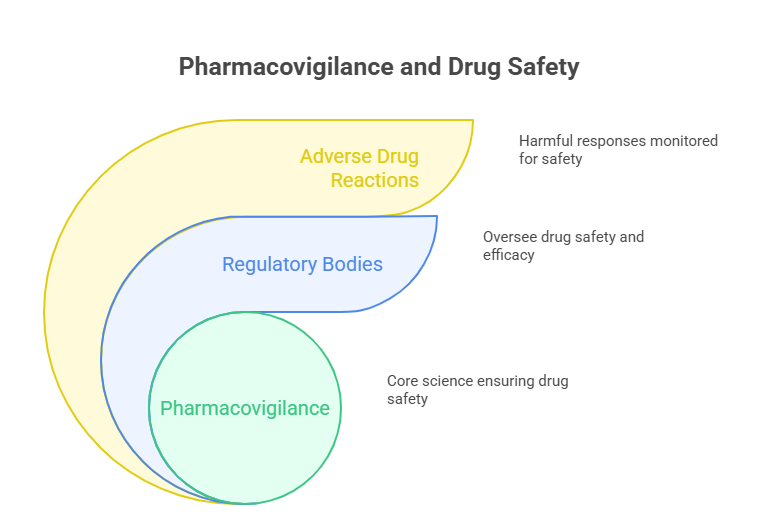
Pharmacovigilance plays a pivotal role in ensuring the safety of medicines by detecting, assessing, understanding, and preventing adverse drug reactions (ADRs). The importance of pharmacovigilance cannot be overstated, as it directly impacts patient safety and helps in the ongoing monitoring of the benefits and risks of pharmaceutical products. As new drugs enter the market, pharmacovigilance ensures that potential safety issues are identified early, minimizing risks for patients and enhancing the therapeutic benefits of treatments.
Pharmacovigilance is not limited to the detection of adverse reactions. It also involves the assessment and management of these risks, which includes reporting, regulatory compliance, and ongoing monitoring through systems like the FDA's Adverse Event Reporting System (FAERS) and EudraVigilance in Europe. Through these systems, health authorities and pharmaceutical companies can swiftly act on emerging safety concerns, ensuring the continued safety and efficacy of medications used worldwide.
Pharmacovigilance professionals play a critical role in healthcare by bridging the gap between clinical trials and post-market surveillance, ensuring that a drug’s safety profile is continuously evaluated. Their work safeguards the public, helps maintain trust in the healthcare system, and contributes to the development of better, safer pharmaceuticals.
Role of Regulatory Bodies in Pharmacovigilance
Regulatory bodies such as the FDA, EMA, and WHO are at the forefront of pharmacovigilance efforts. These organizations set the standards and guidelines for adverse drug reaction reporting, monitoring, and risk management. They ensure that pharmaceutical companies comply with safety regulations and are proactive in reporting any adverse effects.
The FDA, for example, oversees the MedWatch program, which allows healthcare professionals and consumers to report adverse drug events. Similarly, the European Medicines Agency (EMA) runs the EudraVigilance system to collect and analyze reports of adverse reactions from European member states. These agencies work together to identify trends, issue safety warnings, and, if necessary, take actions like issuing recalls or changing the labeling of medications.
Understanding Adverse Drug Reactions
Adverse drug reactions (ADRs) are harmful or unintended responses to medications that can range from mild symptoms to severe complications. Pharmacovigilance plays a crucial role in identifying and reporting ADRs to ensure patient safety. Early detection of ADRs through pharmacovigilance reporting systems helps minimize risks and leads to better drug safety profiles.
By analyzing ADRs, professionals can classify them by severity, frequency, and the mechanisms behind the reactions. Regulatory bodies use this information to assess the benefit-risk balance of medications, making decisions on whether drugs need further investigation, whether changes should be made to their labels, or whether they should be withdrawn from the market.
Structure of the Pharmacovigilance and Regulatory Affairs Exam
The Pharmacovigilance and Regulatory Affairs exam is designed to evaluate the knowledge and skills necessary for professionals working in drug safety and regulatory affairs. The structure of the exam reflects the diverse areas within the field, testing candidates on everything from adverse drug reactions to regulatory compliance and global drug safety standards.
This exam typically includes multiple-choice questions, case studies, and scenario-based assessments to measure your ability to apply theoretical knowledge to real-world situations. Understanding the exam structure is crucial for tailoring your study plan to focus on the most important areas and increasing your chances of success.
Types of Questions in the Exam
The Pharmacovigilance and Regulatory Affairs exam consists mainly of multiple-choice questions (MCQs), but may also include case studies and scenario-based questions. MCQs test your foundational knowledge of pharmacovigilance principles, regulatory frameworks, and best practices. Case studies, on the other hand, challenge you to apply your knowledge to real-world situations, assessing your problem-solving abilities.
Scenario-based questions require you to think critically about regulatory decision-making, safety assessments, and risk management in clinical practice. These questions often test your understanding of complex regulatory scenarios and your ability to handle them effectively within the context of pharmaceutical safety.
Key Topics and Focus Areas
Key topics in the Pharmacovigilance and Regulatory Affairs exam include:
Adverse Drug Reactions (ADR): Identification, reporting, and management of ADRs.
Regulatory Compliance: Understanding the regulatory requirements set by bodies like the FDA, EMA, and WHO.
Drug Safety Systems: Tools and methods for monitoring the safety of pharmaceuticals post-market.
Risk Management: Evaluating and managing risks associated with drug use, including the development of risk management plans (RMPs).
Global Regulations: Differences and similarities between international regulatory systems and how they impact drug approval and monitoring.
By focusing on these key topics, you will be better prepared for the exam and be able to demonstrate a strong understanding of pharmacovigilance practices and regulatory affairs.

Top 50 Pharmacovigilance and Regulatory Affairs Exam Questions
| Question | Answer |
|---|---|
| What is pharmacovigilance? | Pharmacovigilance is the science and activities related to the detection, assessment, understanding, and prevention of adverse effects or any other drug-related problems. |
| What is an adverse drug reaction (ADR)? | An ADR is a harmful or unintended response to a drug that occurs at doses normally used for the prophylaxis, diagnosis, or therapy of diseases. |
| Which regulatory body oversees drug safety in the U.S.? | The FDA (Food and Drug Administration) is the regulatory body that oversees drug safety in the U.S. |
| What is the role of the EMA in pharmacovigilance? | The European Medicines Agency (EMA) monitors and evaluates the safety of medicinal products in the European Union through its EudraVigilance database. |
| What is the purpose of MedWatch? | MedWatch is the FDA's program for reporting adverse drug reactions and other product problems in the U.S. |
| What does the term ‘signal detection’ refer to in pharmacovigilance? | Signal detection refers to the process of identifying and evaluating information suggesting a potential association between a drug and an adverse event. |
| How does pharmacovigilance benefit public health? | It ensures the safety of medicinal products by identifying risks early, thus preventing harm to patients and ensuring the benefits outweigh the risks. |
| What is the role of the Risk Management Plan (RMP)? | An RMP outlines measures to minimize the risks associated with a drug while maximizing its therapeutic benefit. |
| What are the key components of an RMP? | Key components include risk minimization strategies, monitoring plans, and post-market surveillance measures to ensure ongoing safety. |
| Which adverse drug event is most commonly reported by healthcare professionals? | Allergic reactions and anaphylactic reactions are among the most commonly reported adverse drug events. |
| What is the primary role of the FDA in pharmacovigilance? | The FDA is responsible for regulating and ensuring the safety of drugs through the MedWatch program, monitoring adverse events, and enforcing regulations. |
| What is the importance of post-market surveillance in pharmacovigilance? | Post-market surveillance helps identify and assess the long-term safety of medications after they have been approved for use, ensuring public safety over time. |
| How does EudraVigilance contribute to pharmacovigilance in the EU? | EudraVigilance collects and analyzes adverse drug reaction reports across the EU, enabling regulatory actions and ensuring patient safety. |
| What is the difference between a side effect and an adverse drug reaction? | A side effect is any effect caused by a drug that is not the intended therapeutic effect, whereas an ADR is harmful and unintended, potentially requiring intervention. |
| What is risk-benefit analysis in pharmacovigilance? | Risk-benefit analysis assesses whether the benefits of a drug outweigh the risks associated with its use, helping to determine its continued approval for use. |
| What is the role of adverse event reporting systems in pharmacovigilance? | Adverse event reporting systems, like MedWatch and EudraVigilance, allow healthcare professionals and patients to report ADRs, ensuring timely safety monitoring and response. |
| What are the three main objectives of pharmacovigilance? | The main objectives are to identify ADRs, assess the risk of adverse events, and implement measures to mitigate risks associated with drug usage. |
| What does REMS stand for, and why is it important in pharmacovigilance? | REMS stands for Risk Evaluation and Mitigation Strategies and is a program designed to manage specific risks of certain drugs to ensure their safe use. |
| How do pharmacovigilance professionals help in drug development? | Pharmacovigilance professionals monitor drug safety during clinical trials and after drug approval, helping to mitigate risks and enhance patient safety throughout the drug lifecycle. |
| What is the role of the WHO in global pharmacovigilance? | The World Health Organization (WHO) coordinates global pharmacovigilance efforts through initiatives like the WHO Global Individual Case Safety Reports (ICSRs) to track and manage drug safety. |
| What is the importance of pharmacovigilance in clinical trials? | Pharmacovigilance in clinical trials helps identify potential risks early, ensuring patient safety and compliance with regulatory requirements throughout the study. |
| What are the components of a pharmacovigilance system? | A pharmacovigilance system includes data collection, analysis of adverse events, risk assessment, regulatory compliance, and safety monitoring. |
| How are ADRs categorized by severity? | ADRs are categorized by severity as mild, moderate, severe, or fatal, depending on the impact of the reaction on the patient. |
| What are the challenges faced in pharmacovigilance? | Challenges include underreporting of ADRs, lack of standardized reporting systems, and difficulty in establishing causality between a drug and an adverse event. |
| What is the pharmacovigilance role of healthcare providers? | Healthcare providers are responsible for reporting ADRs, educating patients on medication safety, and ensuring that pharmacovigilance guidelines are followed. |
| What tools are used in signal detection in pharmacovigilance? | Signal detection tools include statistical analyses, databases, and software like EudraVigilance and FDA's FAERS to identify potential ADRs. |
| What is the importance of post-market drug safety monitoring? | Post-market safety monitoring helps track adverse events that may not have been detected during clinical trials, ensuring continued safety for patients. |
| What is the role of the International Conference on Harmonisation (ICH) in pharmacovigilance? | The ICH sets global standards for drug safety, ensuring that pharmacovigilance practices across different regions are harmonized to protect patients worldwide. |
| What are pharmacovigilance guidelines? | Pharmacovigilance guidelines outline the procedures for detecting, reporting, and evaluating adverse drug reactions and ensuring drug safety compliance. |
| How is risk management implemented in pharmacovigilance? | Risk management is implemented by identifying potential risks, developing risk minimization strategies, and continuously monitoring drug safety after market approval. |
| What is the importance of pharmacovigilance in global health? | Pharmacovigilance helps countries ensure drug safety and quality by monitoring the global safety of medicines and ensuring the welfare of patients worldwide. |
| What is the role of industry-specific regulations in pharmacovigilance? | Industry-specific regulations dictate the safety reporting processes, ensuring that manufacturers, healthcare providers, and regulatory bodies comply with safety standards. |
| How does pharmacovigilance influence drug labeling? | Pharmacovigilance influences drug labeling by including information on potential ADRs, providing warnings, and ensuring the safety and efficacy of drugs used by patients. |
| What types of data are collected in pharmacovigilance systems? | Pharmacovigilance systems collect data related to ADRs, patient demographics, drug usage patterns, and potential interactions to assess the safety profile of drugs. |
| How does the FDA's REMS program work? | REMS helps to manage the risks associated with certain drugs by requiring the implementation of risk management strategies, including restricted access or specific training for healthcare providers. |
| How do clinical trials contribute to pharmacovigilance? | Clinical trials provide critical data on drug safety, helping to identify potential ADRs, monitor effectiveness, and establish safe dosing guidelines for post-market use. |
| What role do healthcare professionals play in pharmacovigilance? | Healthcare professionals play a crucial role in identifying, reporting, and documenting ADRs, educating patients on drug safety, and ensuring compliance with pharmacovigilance practices. |
| What is the impact of post-market pharmacovigilance on drug approval? | Post-market pharmacovigilance can influence the approval process by identifying risks not detected in clinical trials, leading to changes in drug labeling, warnings, or even drug withdrawal from the market. |
Key Challenges in Passing the Pharmacovigilance Exam
The Pharmacovigilance and Regulatory Affairs certification exam presents several challenges that candidates need to overcome to succeed. Understanding these challenges and how to address them during your preparation is key to achieving a successful outcome. This section will discuss some of the most common hurdles candidates face when preparing for the exam and provide strategies for tackling them.
Understanding Complex Regulatory Scenarios
One of the primary challenges in the Pharmacovigilance exam is understanding the complex regulatory scenarios that candidates may encounter. These scenarios require a deep understanding of various drug safety regulations and how they apply to real-world situations.
Global regulatory differences: Understanding the differences between regulatory bodies such as the FDA, EMA, and WHO is essential. Each of these organizations has its own set of guidelines and procedures for drug safety, which can sometimes be contradictory or region-specific.
Risk management plans (RMPs): Developing and understanding Risk Management Plans (RMPs) for drugs is often a challenging aspect of the exam. These plans outline how a company should handle potential risks associated with drugs after they are launched into the market.
To overcome these challenges, it’s essential to study the regulatory frameworks for each major organization and understand the rationale behind their decisions. Regularly revisiting these guidelines and keeping track of any changes will improve your ability to solve complex scenarios on the exam.
Keeping Up with Industry Updates
Pharmacovigilance and regulatory affairs are rapidly evolving fields. New drugs, emerging safety issues, and changing regulatory standards require professionals to stay updated with the latest information. The same applies to the Pharmacovigilance exam. Staying current with industry updates is critical for passing the exam.
New drug safety issues: Candidates need to be aware of the latest issues regarding adverse drug reactions (ADRs) and how new drugs are being monitored post-market.
Regulatory changes: Regulatory bodies constantly revise their guidelines. Understanding the latest revisions, such as new REM system requirements or updates in clinical trial reporting standards, is crucial for passing the exam.
To address this challenge, make it a habit to read industry journals, participate in webinars, and follow updates from regulatory bodies to stay informed on the latest trends in pharmacovigilance.
| Challenge | Solution/Strategy |
|---|---|
| Understanding Complex Regulatory Scenarios | Study global regulatory frameworks (FDA, EMA, WHO) and RMPs. |
| Keeping Up with Industry Updates | Regularly review new drug safety data, regulatory changes, and current pharmacovigilance trends. |
| Test Format and Complexity | Practice with mock exams and case studies to enhance critical thinking in real-world situations. |
How the Pharmacovigilance Certification Course Helps You Prepare for the Exam
Enrolling in a Pharmacovigilance certification course is a strategic step toward ensuring you are fully prepared for the Pharmacovigilance and Regulatory Affairs certification exam. The course is specifically designed to equip you with the necessary skills and knowledge to excel in the exam and perform effectively in the field.
How This Course Helps:
Comprehensive Coverage of Key Topics: The course covers all the essential areas of pharmacovigilance, including adverse drug reactions (ADRs), regulatory frameworks, and drug safety monitoring. This ensures you’re not only prepared for the exam but also for real-world challenges.
Expert-Led Learning: Taught by experienced professionals in the field, this course offers you insights from individuals who have extensive knowledge of both regulatory affairs and pharmacovigilance practices, allowing you to learn from their expertise.
Practical Application: The course includes real-world case studies and practical scenarios, helping you apply what you learn to regulatory compliance and safety reporting—key components of the exam.
Focused Exam Preparation: The course is aligned with the Pharmacovigilance and Regulatory Affairs certification exam, ensuring you understand the exam format and focus areas, giving you the tools to pass with confidence.
By completing this course, you'll gain a strong foundation in pharmacovigilance, giving you the knowledge and confidence to tackle the exam successfully.
Frequently Asked Questions (FAQs)
-
Pharmacovigilance is the science related to the detection, assessment, understanding, and prevention of adverse drug reactions or any other drug-related problems. It plays a key role in ensuring drug safety and protecting public health.
-
An ADR is an unintended and harmful reaction to a drug that occurs at normal therapeutic doses. It can vary in severity and can occur shortly after taking the drug or after prolonged use.
-
The certification demonstrates your expertise in drug safety and regulatory compliance, making you more competitive in the job market. It is a requirement for many positions in the pharmaceutical industry, particularly in clinical trials and regulatory affairs
-
Preparation time varies based on your background and study schedule. On average, candidates spend about 2-3 months preparing for the Pharmacovigilance and Regulatory Affairs certification exam, but it can vary depending on how much time you dedicate to studying.
-
The exam typically consists of multiple-choice questions (MCQs), case studies, and scenario-based questions. These assess your understanding of regulatory frameworks, ADR management, and drug safety monitoring
-
To pass the exam on the first attempt, follow a structured study plan, focus on high-priority topics, and practice with mock tests. Enrolling in a certification course, like the Pharmacovigilance Certification by CCRPS, will provide you with the right tools to succeed.
-
Key topics include adverse drug reactions (ADRs), regulatory compliance, drug safety monitoring, Risk Management Plans (RMPs), and signal detection. Make sure to study the relevant guidelines from regulatory bodies such as the FDA, EMA, and WHO.
-
Some effective resources include textbooks on pharmacovigilance, online courses, practice exams, and guidelines from regulatory agencies. Additionally, enrolling in the Pharmacovigilance Certification Course by CCRPS will help you structure your study plan effectively.
Conclusion: Passing the Pharmacovigilance Exam with Confidence
Successfully passing the Pharmacovigilance and Regulatory Affairs certification exam is a significant milestone in your career in the pharmaceutical and healthcare industries. With a solid foundation in adverse drug reactions (ADRs), regulatory compliance, and drug safety monitoring, you’ll be equipped to take on roles that are critical to public health and drug safety.
By enrolling in a focused certification course like the Pharmacovigilance Certification by CCRPS, studying key topics, and practicing regularly, you can ensure that you are well-prepared for the exam. Remember, the knowledge and skills you gain during your preparation not only help you pass the exam but also set you up for long-term success in pharmacovigilance and regulatory affairs.
With the right preparation, you’ll be ready to tackle the exam confidently, pass it on your first try, and unlock exciting career opportunities in drug safety and regulatory affairs.
Good luck, and keep learning!
