
Clinical Research Certification Kentucky: Everything You Need to Know for 2025–2026
Kentucky is emerging as a regional leader in clinical research, driven by major institutions like the University of Kentucky (UK), Norton Healthcare, and Baptist Health. The state’s rapid investment in biotechnology, pharmaceutical trials, and healthcare infrastructure has created new career opportunities for professionals holding credible certifications.
This guide breaks down everything you need to know about earning your Clinical Research Certification in Kentucky for 2025–2026, including eligibility, salary growth, job opportunities, and training paths through CCRPS — one of the world’s most trusted providers of globally recognized clinical research certifications.

1. Clinical Research in Kentucky: 2025–2026 Landscape
Kentucky’s clinical research ecosystem is expanding fast, with over 1,500 active clinical studies currently registered across the state. The University of Kentucky’s Center for Clinical and Translational Science (CCTS) leads federally funded programs in cancer, neuroscience, and cardiovascular studies. Meanwhile, Norton Healthcare has become a key site for multi-phase clinical trials in pediatrics, oncology, and immunology.
The demand for certified professionals has grown by over 20% since 2023 as CROs and sponsors prefer candidates trained under CCRPS Clinical Research Certification programs. Employers also prioritize staff with ICH-GCP certification to ensure compliance with FDA, EMA, and ICH standards.
2.How to Get Certified in Kentucky
Kentucky’s employers, including CROs and teaching hospitals, prefer certifications aligned with FDA and ICH-GCP standards. The CCRPS Clinical Research Certification offers the ideal balance of global recognition and flexibility.
Steps to certification:
Enroll in CCRPS: Access fully online courses compatible with global standards.
Complete 50–60 hours of advanced clinical modules covering trial ethics, regulatory compliance, and documentation.
Pass the CCRPS exam and receive your verifiable digital credential.
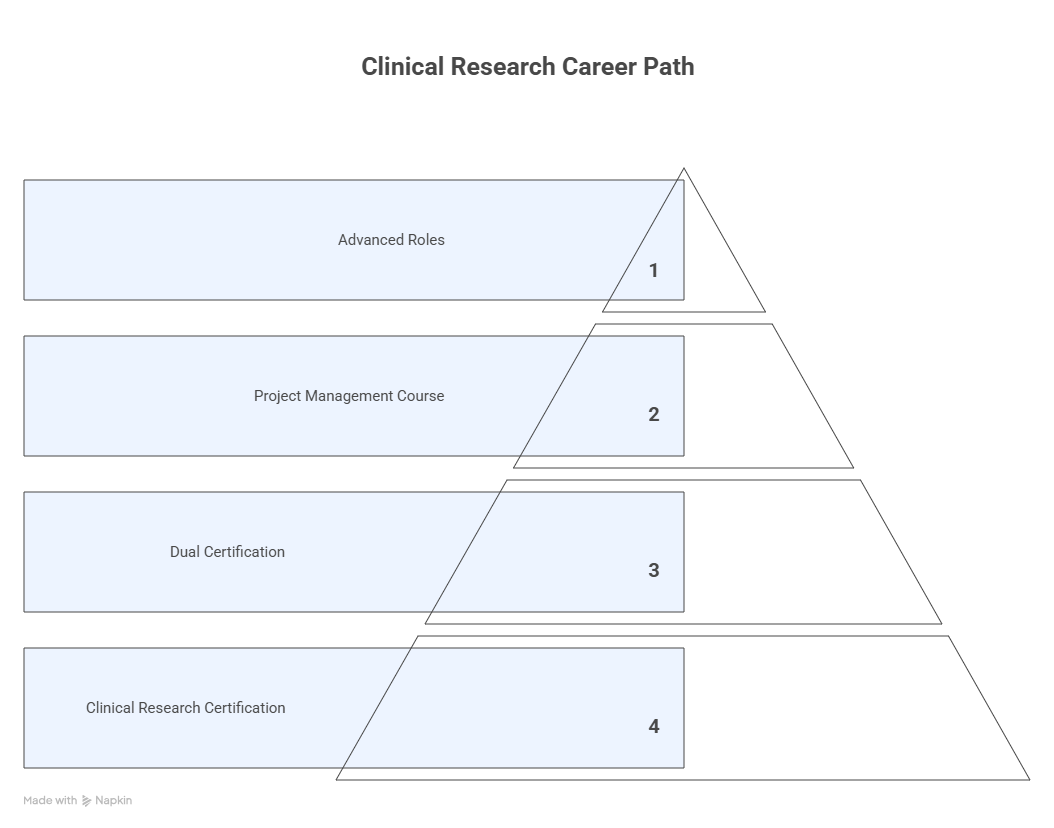
Specialize in CRA training or Clinical Project Management to progress faster in Kentucky’s career market.
Graduates from Kentucky who complete CCRPS programs report 32% faster hiring rates and higher long-term retention in clinical research institutions.
3. Salary and Career Growth in Kentucky
Certified research professionals in Kentucky earn an average of $90,000–$115,000 per year, with senior-level CRAs and Project Managers surpassing $125,000. According to CCRPS salary benchmarks, certified professionals can expect a 20–25% salary increase within the first year of completion.
The University of Kentucky and Norton Healthcare are major recruiters, offering both hybrid and on-site CRA roles. Meanwhile, smaller biopharma startups in Lexington and Louisville are expanding decentralized trials — increasing the demand for professionals with GCP Certification Online.
Certified candidates gain more responsibilities early in their careers, handling trial monitoring, data accuracy, and protocol validation — experiences that position them for Clinical Project Manager (CPM) promotions within one year.
Poll: What’s Your Biggest Barrier to Getting Certified?
4. Career Opportunities After Certification
Once certified, professionals can pursue Clinical Research Associate (CRA), Clinical Project Coordinator, or Regulatory Affairs Specialist roles across Kentucky’s top hospitals and research institutions. Graduates from CCRPS Clinical Research Certification have reported rapid job placements with CROs like IQVIA, Parexel, and Medpace.
Dual-certified professionals (CRA + GCP) are especially valued for remote monitoring, compliance oversight, and audit readiness. Kentucky’s growing focus on AI-based monitoring systems and electronic trial master files (eTMF) ensures that certified candidates remain integral to the research process.
Professionals completing the Clinical Project Management Course can progress to CPM and Regional Project Director roles within 12–18 months — particularly as CROs continue scaling operations in Louisville and Lexington.
5. Why CCRPS Is the Preferred Certification Provider
CCRPS stands as the global benchmark for regulatory-aligned clinical research education. Its programs combine ICH-GCP, FDA, and ISO frameworks into self-paced online learning, complete with real-world case studies, protocol audits, and risk-based monitoring simulations.
Employers across Kentucky — from University of Kentucky HealthCare to Baptist Health Research Center — prioritize CCRPS-trained professionals for their audit readiness and operational fluency.
Graduates also benefit from lifetime access to course updates and digital verification badges, enhancing long-term credibility in the field.
Completing the CCRPS ICH-GCP Online Certification ensures compliance across global clinical systems and opens international job pathways for Kentucky-based graduates.
6. FAQs: Clinical Research Certification in Kentucky (2025–2026)
-
A bachelor’s degree in life sciences, pharmacy, or nursing is recommended, though CCRPS accepts candidates with equivalent clinical experience.
-
Typically 4–6 weeks, depending on study pace. CCRPS courses are self-paced and mobile-accessible.
-
Yes. Employers like University of Kentucky HealthCare, Pfizer, and ICON actively hire CCRPS graduates.
-
Yes — many Kentucky-based CROs offer hybrid or fully remote CRA roles.
-
CRCs earn $75,000–$90,000, CRAs $95,000–$115,000, and CPMs exceed $125,000 annually.
-
Yes. CCRPS partners with institutions offering internships and apprenticeships across Kentucky’s healthcare system.
.
-
Absolutely. CCRPS credentials meet ICH-GCP standards, recognized across the U.S., Europe, and Asia
