
Clinical Research Networking Groups & Forums: Definitive Directory
Clinical research careers move faster when the right people recognize your name before a role opens. Most professionals join random groups, post generic questions, and get nothing but noise. This directory is built to solve that. You will get a clear way to pick the best networking spaces by role, a practical “how to show up” playbook, and a curated list of high value communities to find mentors, referrals, study rescue opportunities, and freelance work without wasting months in dead groups.

1) How to Network Like a Clinical Research Insider
The highest ROI networking in this industry is not “collecting contacts.” It is becoming the person others trust when the trial gets messy. That trust is built by repeatedly solving problems that keep teams up at night: enrollment chaos, preventable deviations, data cleaning delays, and blind breaks. When you speak with precision on topics like CRF design and query prevention, randomization execution pitfalls, and blinding leakage risk, people immediately sort you as “safe to work with.”
Use this rule to choose where to network: go where the problems you can solve are urgent. CRAs should prioritize spaces where monitoring realities are discussed at depth, aligned with CRA role expectations and oversight rhythms like DMC decisions. CRCs should prioritize communities where operational execution is the language, anchored in CRC responsibilities and certification readiness. PV and safety professionals should choose spaces where signal thinking is respected, grounded in pharmacovigilance fundamentals. Data and stats minded professionals should build authority where endpoints, analysis planning, and operational statistics matter, linked to biostatistics in trials and clarity on primary vs secondary endpoints.
The “Credibility Loop” that turns group activity into referrals
Step 1: Comment in the language of outcomes.
Instead of “Any advice?” ask or answer like a practitioner: “Here is how to reduce mid study imbalance without introducing predictability” and tie it to randomization technique choices or placebo control tradeoffs.
Step 2: Share one reusable micro asset weekly.
Examples that win in real groups: a deviation prevention checklist, a query triage flow, a “what to document when” template, or a blinding leakage warning list anchored to blinding types and importance.
Step 3: Move strong threads into one private conversation.
Your goal is not 200 comments. Your goal is 2 conversations per week with people who run studies, hire teams, or control vendor decisions. Use credibility from a technical comment on CRF best practices or endpoint selection to open a short DM: “If you want, I can share a clean workflow that prevents this from happening again.”
The fastest way to get ignored in forums
Posting broad career questions without proof you are doing the work. Pair your question with one concrete action you already took, like a learning plan based on CRA career paths or CRC role requirements.
Asking for job leads without demonstrating value. If you want roles, show you understand where hiring demand is by referencing resources like the job portals directory and the logic behind strong applications.
Sharing “motivation” content. Clinical research communities reward accuracy, restraint, and clean thinking, especially around risk areas like pharmacovigilance and trial integrity.
2) The Definitive Directory of Networking Groups and Where Each One Helps
This section is not a list of random places to “hang out.” It is a directory by intent so you can pick communities that match the outcome you want. Your career pain point should determine your community choice, not your curiosity.
A) Job hunting and interview access communities
If you need interviews fast, focus on communities that sit close to the hiring pipeline. Combine them with a targeted approach using the best job portals for clinical research, then add relationship leverage through recruiter circles and staffing networks.
High value outcomes to target:
Recruiter introductions that bypass weak applicant tracking filters
Inside context on what a CRO actually expects from a candidate stepping into a CRA role
Guidance on whether to apply directly, through a staffing partner, or via a referral loop using clinical research staffing agencies
Your best “winning move” in these spaces is to stop saying “I am looking.” Instead, demonstrate that you understand execution. Post a short breakdown of how you prevent recurring issues like deviation patterns, endpoint confusion, and documentation drift. Tie your thinking to frameworks like primary vs secondary endpoints and CRF best practices. Hiring managers do not need motivation. They need fewer risks.
B) Role mastery communities by track
If you are leveling up, join communities aligned to the track you want next, not the job you currently have.
CRA mastery spaces: excel by discussing real monitoring tradeoffs and integrity risks, including how randomization and blinding decisions create downstream monitoring complexity. Anchor your contributions in randomization techniques and blinding strategy.
CRC and site operations spaces: become valuable by sharing “how to keep the site stable” under pressure, aligned with CRC responsibilities and real documentation mechanics.
PV and safety spaces: be valuable by sharing clean, generalized decision frameworks that show you understand safety thinking without ever touching confidential details. Base your language on pharmacovigilance essentials.
Data and stats spaces: win by being precise. Ask about interpretation and data collection impacts, not vague statistics. Ground your posts in biostatistics basics and endpoint clarity like primary vs secondary endpoints.
C) Vendor selection and tool communities
These spaces are underestimated. They are where you meet people who influence budgets. If you can speak clearly about EDC workflows, query reduction, and data quality systems, you get exposure to clinical operations leaders who control implementations. Use value language tied to pain: faster database lock, fewer data queries, fewer rework cycles, and fewer trial delays.
Pair your contributions with content that shows you can think end to end, linking operational choices with integrity outcomes, like CRF design best practices, randomization selection, and the way blinding failures contaminate the “clean data” story in blinding explanations.
D) Freelance and independent work communities
If you want paid independent work, you need two things: proof of competence and a place where buyers exist. Most people do the opposite. They join freelancer groups that attract other freelancers, then wonder why no one hires.
Start by learning where buyers already look. Use freelance clinical research directories and platforms and build credibility in communities tied to execution pain: study startup, monitoring quality, data cleaning, and safety workflows. The easiest “first offer” is a short, fixed-scope audit: CRF review, monitoring plan gap scan, or data query reduction workflow. Your authority rises faster if you can explain why your work protects integrity and speed.
E) Conferences and professional associations communities
Conferences are not just events. They are networking accelerators because they compress trust building. Even if you cannot attend every time, you can join communities that orbit conferences. Use the clinical research conferences and events directory to pick high intent rooms, then connect with attendees through related online spaces.
If you want to be remembered, do not pitch yourself. Ask sharp operational questions. For example, ask how teams prevent bias with allocation inference, grounded in blinding types, or how teams manage endpoint complexity tied to primary vs secondary endpoints. Smart questions create instant credibility.
3) A Practical Selection System to Avoid Low-Quality Groups
Most professionals waste months because they pick groups based on size. Size is usually a trap. Big groups attract noise and self promotion. The right group is the one where good answers earn attention and poor answers get corrected.
Use this scoring system before you commit your time:
Signal density: In the last 30 posts, how many are detailed discussions rather than complaints or “how do I start” questions. If you see strong technical threads on topics like data integrity and risk control, you are in the right place. If you see endless beginner confusion without guidance, leave.
Moderator standards: High value groups enforce confidentiality and discourage reckless advice. That matters most in areas like pharmacovigilance, where sloppy talk can damage reputations.
Role proximity: Your target role should exist inside the community. If you are trying to become a CRA, you want spaces where experienced CRAs discuss monitoring realities aligned with CRA career paths. If you are targeting site leadership, you need communities shaped by CRC responsibilities.
Opportunity flow: Do members share referrals, openings, contract work, or collaborations. If not, it is entertainment, not networking.
Evidence of expertise: Look for people linking concepts across disciplines, like connecting endpoint choices to operational burden using endpoint clarity, or explaining how randomization can create monitoring risk using randomization techniques.
Now apply a strict time rule. Spend two weeks testing a group. If you do not have at least two valuable conversations and one “future opportunity” thread from it, downgrade it. Your time is expensive.
What is your biggest clinical research networking blocker right now?
Choose one. Your answer points to the fastest fix.
4) The “Post Like a Pro” Playbook for Forums Without Sounding Generic
If you want networking to produce outcomes, you need content that signals competence. Not motivational content. Not vague questions. Competence.
The 5 post types that create respect fast
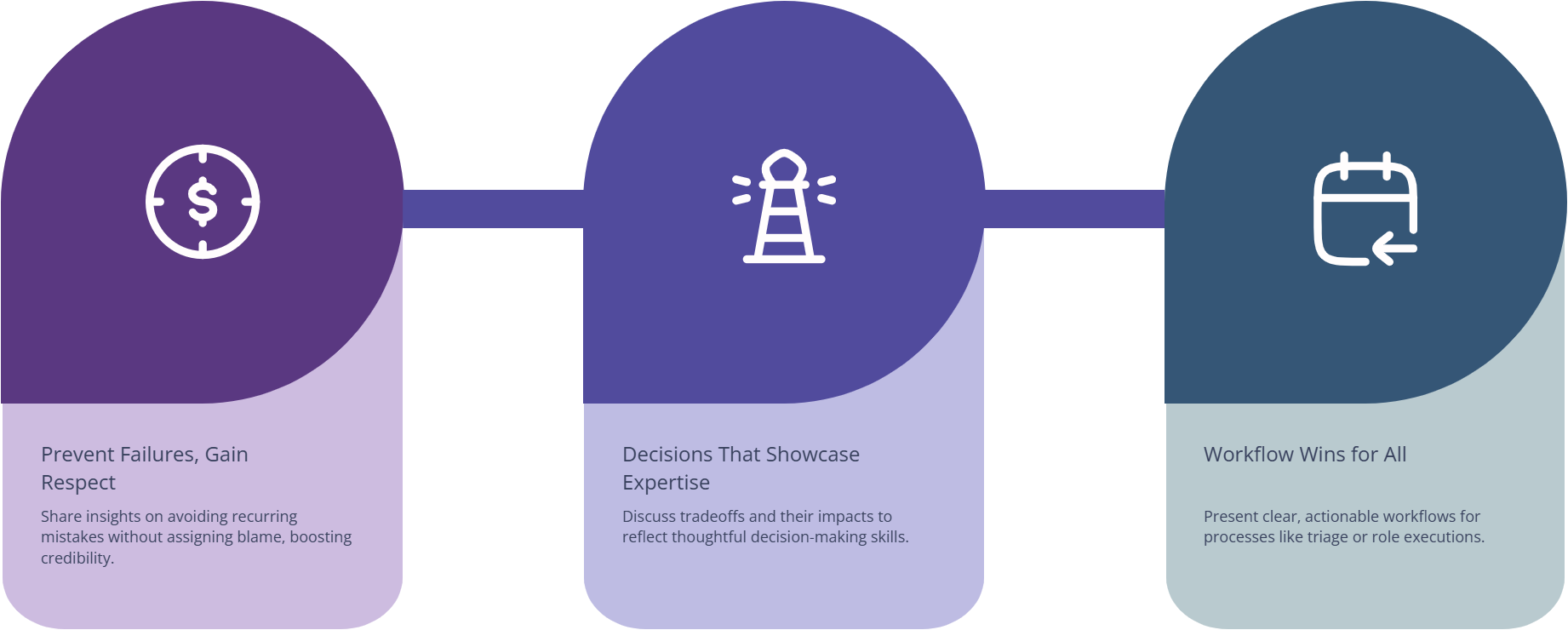
Preventable failure posts
Share one recurring mistake and how to prevent it without blaming anyone. Example angles: how blinding leakage happens when allocation becomes inferable, anchored in blinding types and importance. Or how poor CRF design creates endless queries, anchored in CRF best practices.Decision tradeoff posts
Clinical research is full of tradeoffs. Show that you can think in tradeoffs. Example: choosing randomization methods that control imbalance without creating predictability, anchored in randomization technique clarity. Or discussing endpoint choice impacts using primary vs secondary endpoints.Workflow posts
People love workflows because they can steal them and apply them. Share a clean approach to query triage, deviation prevention, or documentation review. Tie it to role execution expectations like CRA responsibilities or CRC workflows.Career reality posts with solutions
Call out real pain points without negativity. Example: why “apply to 200 roles” fails and how to build targeted pipelines using the job portals directory and relationships. Or how to use staffing agencies strategically rather than randomly.Cross functional bridge posts
These are rare and powerful. Show you can connect safety, data, and operations. Example: how PV thinking prevents late surprises, tied to pharmacovigilance essentials. Or how basic statistical literacy improves trial communication, tied to biostatistics basics.
How to avoid confidentiality problems while still sounding experienced
Speak in patterns, not cases.
Use “what typically happens” language.
Focus on process and controls.
Avoid dates, sites, locations, sponsor identifiers, and unique protocol details.
You can sound highly experienced while remaining clean. The best professionals do exactly that.
5) Converting Conversations Into Interviews, Mentors, and Contracts
Networking fails for one reason more than any other: people stop at comments. Real outcomes come from turning public value into private relationship momentum.
The two message templates that actually work
Template 1: The resource offer
“Your point about deviations is real. I have a short checklist that reduces repeat issues without adding workload. Want it?”
This works because it is not a pitch. It is help. You can anchor that help in proven knowledge areas like CRF best practices or CRA role expectations.
Template 2: The clarity question
“If you had to fix one thing first, would it be data cleanliness, site process, or risk control?”
This positions you as someone who thinks like an operator. For clinical research, that is rare and valued.
Mentors: how to earn them without begging
Mentors are not found. They are earned. You earn mentorship by showing momentum and respect for the mentor’s time. Send one specific question that proves you already studied the basics. Example: “I mapped my next six months based on CRA skill expectations. Where do you see people fail when moving from monitoring competence to leadership level judgment?”
Referrals: how to trigger them ethically
Referrals happen when you reduce perceived risk. Do that by building a visible track record inside groups:
Answer complex questions with calm precision.
Share workflows that reduce mistakes.
Demonstrate that you understand risk sensitive areas like blinding integrity and pharmacovigilance thinking.
Contracts: what buyers want in freelance communities
Buyers want speed, certainty, and clean deliverables. They do not want “consulting calls.” Productize your offer:
CRF audit and query reduction plan
Monitoring plan review and site risk scan
Safety workflow review aligned to PV fundamentals
Data and endpoint clarity check to prevent downstream confusion
If you want platforms where buyers exist, start with the freelance clinical research directories and build credibility in groups where those buyers learn and ask for help.
6) FAQs: Clinical Research Networking Groups & Forums
-
Pick three. One role-specific group tied to your next role, one operational group tied to execution problems, and one hiring pipeline group. For example, a CRA track professional could combine a monitoring-focused community aligned with CRA role expectations, a trial integrity space where topics like blinding risks and randomization choices are discussed, and a hiring pipeline group informed by the job portals directory. Three groups is enough to build depth, credibility, and relationships without turning your week into scrolling.
-
Post operational learning, not identity statements. Share a workflow you are building, a checklist you tested, or a decision tradeoff you finally understand. Early career people earn respect by being specific and accurate. Anchor your posts in widely applicable topics like CRF best practices or the difference between endpoints using primary vs secondary endpoints. Ask scenario-based questions rather than broad ones. People do not punish newness. They punish laziness and vagueness.
-
Speak in patterns and controls, not stories. Discuss what typically causes failures and how professionals reduce risk. Topics like pharmacovigilance and blinding integrity reward this approach because they demand discipline. Use generalized language, avoid unique identifiers, and focus on “if you see X, do Y” frameworks. The best reputation signal is showing that you know what not to say.
-
Offer a resource, not a pitch. The simplest conversion move is: “I have a one page checklist for this. Want it?” That feels helpful and creates a reason to continue privately. If the person is hiring or leading studies, they will remember you because you reduced friction. Tie your resource to a real workflow such as CRF design or the monitoring realities behind CRA responsibilities. Once they accept, you can ask one question that qualifies whether an interview or contract makes sense.
-
Join spaces where experienced CRAs discuss monitoring execution and sponsor expectations, then pair that with CRC communities so you keep your site credibility sharp. Your goal is to learn how monitoring leaders think and to demonstrate that thinking publicly. Start by mastering integrity-related topics like randomization choices and blinding control, because that language signals readiness. Then build your search pipeline using the job portals directory and create relationships through targeted recruiter and staffing circles.
-
Run a 45-minute system, three days per week. Day 1: comment with a detailed solution on one post. Day 2: share one micro asset, like a checklist, a workflow, or a decision rule. Day 3: start one private conversation from a thread where you added value. Rotate your content around high-leverage topics like CRF best practices, endpoint clarity, and risk control topics like blinding. This routine compounds fast because you are building recognition through repeated value, not random activity.
