
Indias Clinical Trial Boom Why Its Set to Overtake Europe by 2028
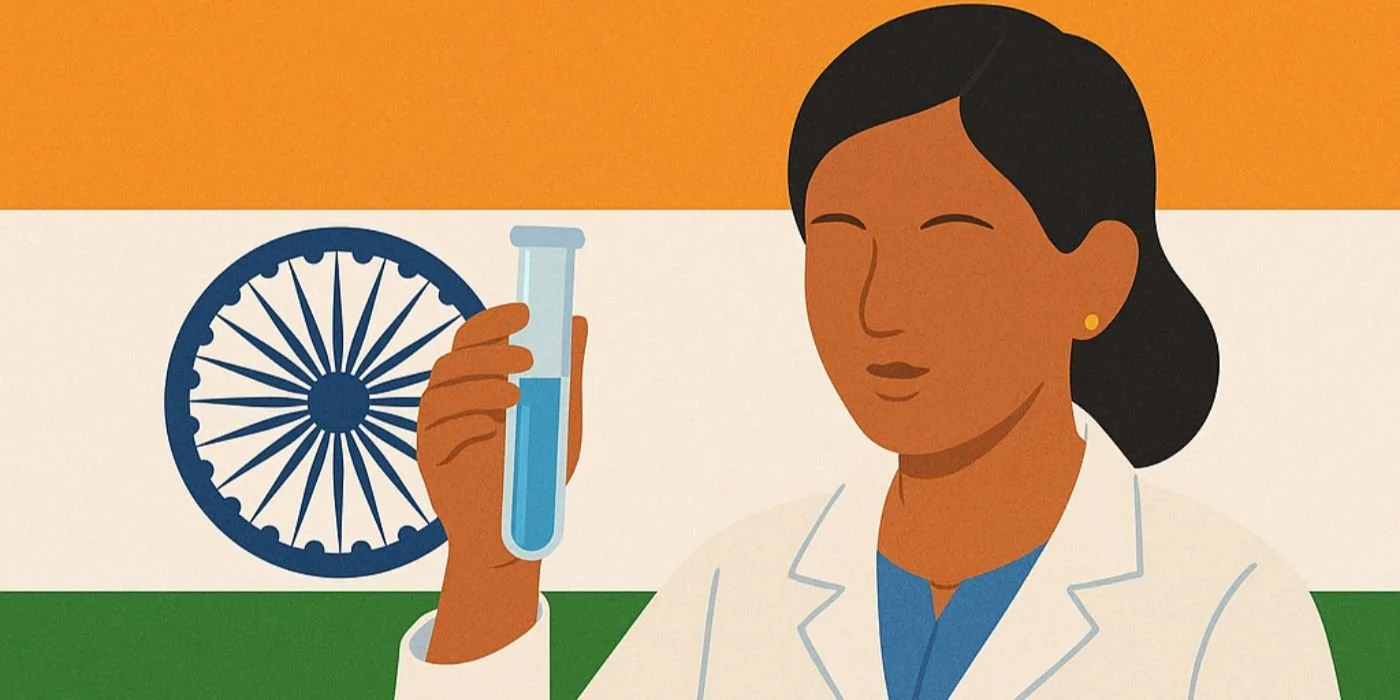
India has positioned itself as a powerhouse in clinical research, with cost efficiency and a vast patient population drawing sponsors globally. By 2025, the nation already ranked among the top five destinations for global studies. What’s propelling growth is a mix of regulatory reform, government incentives, and skilled workforce expansion.
Sponsors reviewing clinical research salary trends highlight India as cost-effective while still maintaining quality. Professionals comparing CRA salaries worldwide note India’s competitive rates attract international companies. Combined with strong therapeutic diversity, India now competes directly with EU hubs like Germany, Spain, and France.
Key Drivers Behind India’s Trial Expansion
India’s rise in the global research market isn’t accidental—it’s fueled by three dominant factors:
Regulatory streamlining: The Central Drugs Standard Control Organization (CDSCO) has simplified approvals, reducing trial startup time.
Large patient pool: With diverse genetics and untreated populations, recruitment rates far exceed Europe.
Investment incentives: The government supports research clusters with tax benefits and subsidies.
Global sponsors often weigh these against European regulatory certainty. Reports like top 10 highest-paying research jobs 2025 show how economic efficiency drives Indian site growth. At the same time, clinical research coordinator salaries prove local sites can scale sustainably.
| Factor | India | Europe | Global Outlook (2025-2028) |
|---|---|---|---|
| Trial Costs | 30–40% lower than US/EU | High operational costs | India favored for Phase II/III cost savings |
| Patient Recruitment | Rapid recruitment, diverse genetics | Slow, limited diversity | India expected to overtake EU by 2027 |
| Regulatory Environment | Streamlined CDSCO pathways | Harmonized but slower EU CTR | India gains agility in competitive fields |
| Therapeutic Focus | Oncology, infectious disease, diabetes | Oncology, cardiovascular, rare diseases | India expands to chronic + lifestyle trials |
| Skilled Workforce | Growing CRA/CRC base, GCP-trained | Mature but saturated market | Certification demand surges in India |
| Investment Appeal | High growth, favorable policies | Stable, lower growth | India forecasted to outpace EU by 2028 |
Workforce Development and Certification Advantage
India’s expansion relies heavily on trained professionals. Over the past five years, the number of GCP-certified CRAs and CRCs doubled. Training hubs emphasize international certification to align with global sponsors. Courses like Clinical Research Assistant Certification and MSL certification prep equip professionals with competitive skills.
Recruiters emphasize that international sponsors demand certification-backed expertise. Professionals who adapt quickly—mirroring strategies from test-taking methods for clinical exams—gain an edge in India’s booming market. Workforce readiness is now a major differentiator between India and Europe.
Economic and Geopolitical Implications
India’s clinical trial boom also represents a geopolitical shift. As global sponsors hedge against EU dependency, India emerges as a stable alternative. High-profile pharma firms now establish regional HQs in Mumbai and Bangalore, redirecting investment flows.
This movement parallels findings from pharmacovigilance career reports, showing how global hubs attract skilled monitors. India benefits from being cost-efficient, scalable, and politically favorable. By 2028, India could dominate mid-to-late phase trial markets, a role previously secured by Europe.
Do you think India will surpass Europe in clinical trial activity by 2028?
Challenges India Must Overcome
Despite momentum, India faces hurdles:
Regulatory transparency: Past delays and ethical concerns still affect sponsor perceptions.
Infrastructure gaps: Not all sites meet global inspection standards.
Workforce retention: As CRA salaries rise globally, India must stay competitive.
Failure to address these risks could stall India’s momentum. Sponsors note that while costs are lower, inconsistent infrastructure and oversight pose challenges. Investing in compliance training, guided by creating the perfect research study environment, remains essential.
FAQs
-
India offers rapid recruitment, cost savings, and regulatory reform. Combined with genetic diversity, this makes it one of the most efficient trial markets. International sponsors recognize the potential for faster results compared to slower EU sites.
-
India’s trials are 30–40% cheaper than in Europe. This cost advantage is especially relevant in Phase II/III studies requiring thousands of participants. Lower costs combined with high-quality oversight make India competitive without compromising data integrity.
-
Certifications like CRA, CRC, and MSL are essential. They provide credibility to professionals working with global sponsors. India’s workforce increasingly pursues certifications from organizations like CCRPS to align with international expectations.
-
Yes, past controversies created reputational risks. However, stricter oversight and CDSCO reforms have improved transparency. Continued investment in compliance, patient safety, and training ensures ethical standards align with international benchmarks.
-
While forecasts show India is on track, the outcome depends on sustained reforms, infrastructure investment, and global collaboration. If challenges aren’t addressed, Europe could retain leadership. But trends strongly favor India taking the lead by 2028.
