
Clinical Research Technology Adoption Report: AI and Digital Health in Trials (2025)
Clinical research is not struggling because people are lazy. It is struggling because the operational load is brutal, timelines are compressed, patients are harder to retain, and data quality expectations keep rising. AI and digital health tools are being adopted in 2025 for one reason: survival. If your site or sponsor team still runs trials like it is 2015, you will feel it in missed enrollment targets, endless queries, deviation churn, and burnout. This report breaks down what is actually being adopted, what works, what fails, and how to implement tech without creating a new mess.
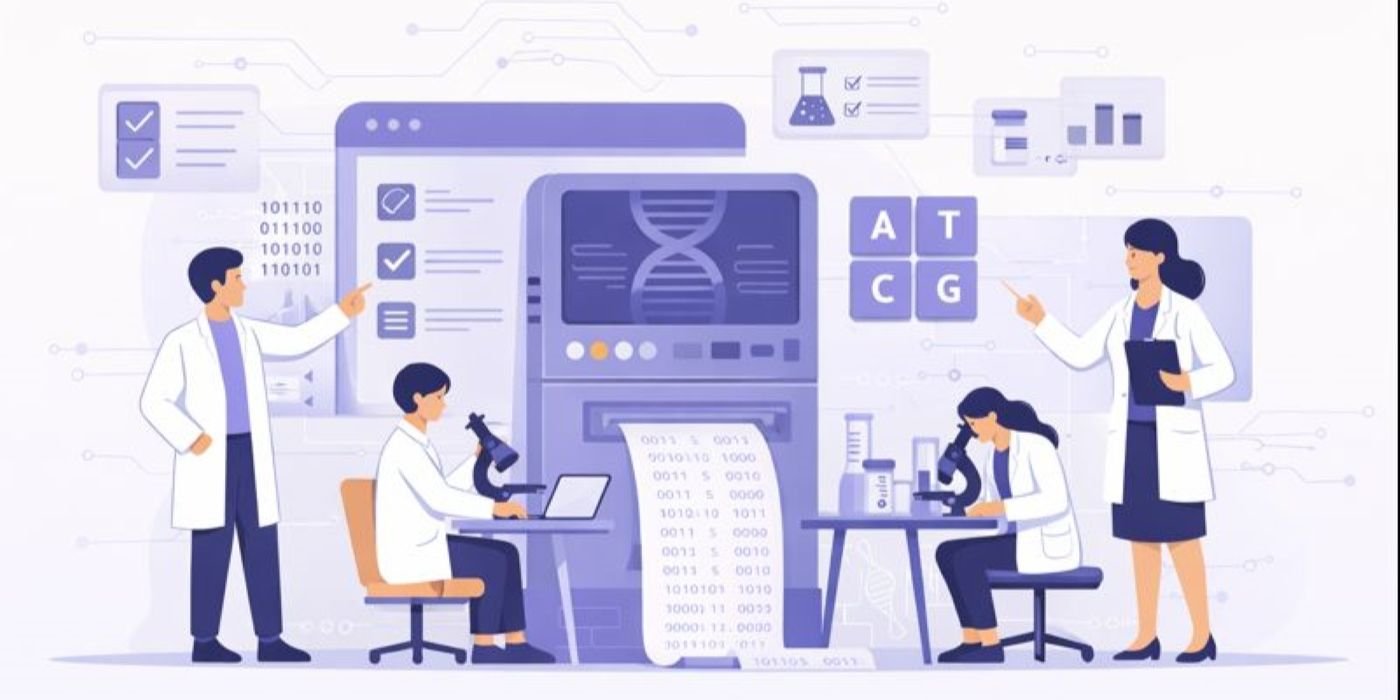
1) The 2025 Reality: Why AI and Digital Health Adoption Is Accelerating
Technology adoption in trials is not a trend, it is a response to pressure. Every trial stakeholder is fighting the same enemy: unpredictable execution.
Sites are dealing with staffing gaps, scheduling bottlenecks, and documentation overload that silently kills quality. If you want a baseline on what “overload” looks like by role, read the Clinical Research Salary Report 2025 and compare it with the expectations inside the Clinical Research Assistant career roadmap and the Clinical Trial Assistant career guide. Those roles are often the first to feel tech friction, because they touch every workflow.
Sponsors and CROs are chasing speed without accepting quality regression. That creates a high stakes game: adopt tools that reduce cycle time, or absorb cost overruns and protocol amendments. If you want to see what vendors and platforms are shaping delivery, scan the Top 50 CRO vendors and solutions platforms guide and the Top 50 remote monitoring tools guide. Those two lists reveal what “modern monitoring” looks like in practice.
Patients are not just “hard to recruit,” they are harder to keep engaged. Digital health adoption is partly a retention play: reduce site visits when safe, simplify reminders, and make participation less disruptive. If recruitment is your pain point, the fastest way to stop guessing is to study the ecosystems in the Top 75 patient recruitment companies and tech solutions mega list and the sponsor expectations that surround them in the Clinical Research Coordinator salary guide 2025.
AI is being adopted because humans cannot manually keep up with volume. Digital health is being adopted because data collection and patient interaction cannot rely on in person visits alone. Adoption does not mean replacing humans. It means removing the repetitive load so humans can protect what matters: safety, protocol integrity, and clean evidence. Those outcomes connect directly to compliance driven paths like Quality Assurance specialist and data driven paths like Clinical Data Manager.
A critical warning: most tech failures are not caused by bad software. They are caused by poor implementation and unclear ownership. If you want to implement AI and digital health tools professionally, you must treat adoption like a regulated operational change, not a “tool rollout.”
2) What Is Actually Being Adopted in 2025: The Tech Stack That Wins Trials
In 2025, adoption is clustering around one theme: reduce friction in the data, reduce friction in the patient, and reduce friction in oversight.
The data backbone is still EDC, and it is being upgraded, not replaced
Most “AI in trials” stories collapse into reality at the EDC layer. If your EDC workflow is messy, AI adds noise, not speed. Teams are prioritizing tools that reduce query loops, standardize entry, and improve edit check relevance. For a real market map of systems, the Top 100 clinical data management and EDC platforms guide is the fastest way to understand what enterprises evaluate.
This is why clinical data roles are gaining influence. If you want to understand where adoption is pulling careers, compare the Clinical Data Manager roadmap with the Lead Clinical Data Analyst guide. Those tracks sit where quality and speed meet.
Monitoring is becoming more hybrid and more analytics driven
On site visits still matter, but “wait for the next visit” is dying. Sponsors want earlier signals, faster escalation, and stronger prevention. That is why remote monitoring platforms and centralized monitoring analytics are expanding. If you want to understand what tools are driving this shift, start with the Top 50 remote clinical trial monitoring tools guide and pair it with the delivery context inside the Top 50 CRO vendors and solutions platforms guide.
This shift changes what makes a CRA valuable. A modern CRA must understand systems, data flow, and risk patterns, not just checklists. That is why CRA compensation and career growth are tightly linked to results, as shown in the CRA salaries worldwide 2025 report and the broader market context in the Clinical Research Salary Report 2025.
Recruitment tech is being adopted because enrollment failure is expensive
Recruitment is becoming more technology driven because the old approach is not scaling. Sponsors are pushing for better pre screen, better funnel management, and better retention workflows. If recruitment is a pain point for you, the fastest way to stop guessing is to study the tool and vendor ecosystem in the Top 75 patient recruitment companies and tech solutions list. Then align the workflow to what sites can actually execute, which is why coordinator level operational skill matters, see the Clinical Research Coordinator salary guide 2025.
Safety workflows are modernizing alongside AI adoption
AI is being used to accelerate drafting and triage in safety workflows, but high quality safety still requires disciplined human review. If you want the career context for this adoption wave, compare the Pharmacovigilance Associate career roadmap with the progression options in the Drug Safety Specialist career guide and the leadership track in How to become a Pharmacovigilance Manager. This is also tied to hiring demand, see the Top 100 pharma and biotech companies hiring PV specialists directory.
3) The Professional Adoption Playbook: How to Implement AI and Digital Health Without Breaking Quality
Professional adoption is boring on purpose. Boring is safe, repeatable, auditable, and scalable. The fastest way to ruin adoption is to treat it like a software rollout instead of a regulated process change.
Step 1: Start with one workflow, one failure mode, one KPI
Do not adopt “AI for everything.” Adopt AI to fix one measurable problem.
If your pain is query backlog, focus on data entry quality, edit checks, and query triage. Ground your approach in the tooling landscape from the EDC platforms guide and the operational role accountability from the Clinical Data Coordinator pathway.
If your pain is monitoring chaos, focus on risk signals and issue closure loops. Use the remote monitoring tools guide and mirror the prevention mindset in the QA Specialist roadmap.
If your pain is enrollment, focus on conversion and retention, not just “more leads.” Anchor the strategy in the patient recruitment mega list and map it to site execution capacity using insights from the Clinical Research Assistant roadmap.
Step 2: Define ownership like you mean it
Every tool needs an owner, a backup owner, and a decision maker. Most adoption fails because everyone assumes “operations will handle it.”
A clean ownership model usually looks like this:
Sites own patient facing execution and source documentation, see the reality in the Clinical Research Coordinator salary guide 2025.
Data teams own EDC quality logic and query control, see the Clinical Data Manager roadmap.
QA owns the oversight of the process change and documentation discipline, see the QA Specialist roadmap.
CRAs operationalize oversight at the site level, anchored in expectations shown by the CRA salaries worldwide report.
Step 3: Validate outputs, not promises
AI and digital health tools must be judged by real outputs in your environment. Validation does not have to be complicated, but it must be documented.
Use a simple validation plan:
Define what “good” looks like for the output, for example fewer reopened queries, fewer missing source issues, fewer consent errors.
Run a controlled pilot at a small set of sites.
Document performance and failure modes.
Train, then re measure.
If you want to build the discipline to run this properly, borrow the mindset from exam and credential preparation, because it is the same type of structured execution, see proven test taking strategies and creating the perfect study environment.
Step 4: Integration matters more than features
A tool that does not fit the workflow becomes a second job. Adoption sticks when tools reduce clicks, reduce rework, and reduce ambiguity.
This is where most teams underestimate the importance of mapping the workflow end to end, including:
Patient journey, see the operational reality behind recruitment vendors in the patient recruitment mega list.
Data journey, see how EDC workflows shape everything in the EDC platforms guide.
Oversight journey, see hybrid monitoring stack realities in the remote monitoring tools guide.
4) Where AI and Digital Health Actually Deliver Value (And Where They Hurt You)
The truth: AI and digital health can improve trials, but they can also create new failure modes that look like “quality issues” when they are really “implementation issues.”
Recruitment and retention
Digital tools help when they reduce patient friction, not when they add apps and logins. Adoption wins when sites can explain participation clearly and support patients consistently.
If retention is suffering, you must treat it like an operations problem, not a motivation problem. Use recruitment ecosystem intelligence from the patient recruitment mega list and operationalize execution using coordinator level workflows reflected in the Clinical Research Coordinator salary guide 2025. The teams that win create a predictable follow up cadence and reduce missed visit windows.
Monitoring and oversight
AI can support monitoring when it surfaces risk signals faster and helps triage issue queues. It hurts when it creates false certainty and teams stop thinking critically.
If you want to see the most common tool categories being adopted for this, use the remote monitoring tools guide and pair it with the vendor landscape in the CRO vendors and solutions guide. Then build oversight discipline using the prevention mindset in the QA Specialist roadmap.
Clinical data operations
AI helps when it reduces repetitive cleaning and supports faster closure of issues. It hurts when teams expect it to fix bad source documentation and inconsistent workflows.
If data quality is your bottleneck, start with the systems map in the Top 100 EDC platforms guide, then understand how careers and responsibilities align using the Clinical Data Manager roadmap and the Lead Clinical Data Analyst guide. Tools accelerate quality only when teams have standards.
Safety and pharmacovigilance
AI and workflow automation can speed up drafting and triage, but safety is not a place for shortcuts. The professional approach is AI assisted drafting with strict review, clear audit trails, and repeatable QC.
If you want to understand how these workflows connect to real careers and why adoption is accelerating, use the Drug Safety Specialist guide, the Pharmacovigilance Associate roadmap, and the leadership path in How to become a Pharmacovigilance Manager. Hiring demand is visible in the Top 100 pharma and biotech hiring PV specialists directory and the remote work ecosystem in the Top 75 remote PV case processing jobs and programs list.

5) The KPIs That Prove Adoption Worked: ROI, Quality, and Career Leverage
In clinical research, the only adoption that matters is adoption that improves measurable outcomes without increasing compliance risk.
The KPI categories that matter in 2025
Speed KPIs
Time from referral to consent
Time from visit to data entry
Query aging and backlog
Time to issue closure
Speed is meaningless if quality collapses, so you must pair it with quality KPIs.
Quality KPIs
Deviation recurrence rate
Consent error rate
Missing source rate
Reopened query rate
This is why adoption is pulling more talent into compliance and data roles, see the QA Specialist roadmap and the Clinical Data Manager roadmap.
Patient KPIs
Retention percentage
Missed visit window rate
ePRO completion rate
Patient reported friction points
Recruitment and retention are expensive failure modes, so even small improvements can be worth it. Use the patient recruitment mega list as a reference map for how modern programs structure patient facing support.
Turning adoption into career leverage
If you want to advance in 2025, technology adoption experience is a powerful differentiator, but only if you can describe impact.
For CRAs, adoption experience becomes leverage when you can show improved site stability and faster issue closure, aligned with market value shown in the CRA salaries worldwide report.
For coordinators, adoption experience becomes leverage when you can show cleaner execution and better retention, aligned with compensation context in the Clinical Research Coordinator salary guide 2025.
For data professionals, adoption experience becomes leverage when you can show reduced query rates and faster clean up, aligned with the Lead Clinical Data Analyst guide.
For QA, adoption experience becomes leverage when you can show stronger preventive controls, aligned with the QA Specialist roadmap.
Then you anchor your narrative to market context using the Clinical Research Salary Report 2025 and the “where the money is” framing in the Top 10 highest paying clinical research jobs in 2025.
6) FAQs: AI and Digital Health in Clinical Trials (2025)
-
They adopt AI before fixing workflow basics. AI amplifies inconsistency. If your source documentation is weak and your EDC logic is messy, AI output becomes noise. Start by mapping data flow using the Top 100 EDC platforms guide and aligning responsibilities with the Clinical Data Manager roadmap.
-
Track retention percentage, missed visit windows, and completion rates for ePRO or sensor data. Pair those with patient friction feedback and operational actions taken. If you are building a retention strategy, use the ecosystem view in the patient recruitment mega list and match it to site execution capacity using the CRC salary guide 2025.
-
It is shifting to hybrid models. Remote tools help detect issues earlier and reduce wasted visits, but on site presence still matters for relationship, training, and deep source review. To understand what is being used, review the Top 50 remote monitoring tools guide and learn how CROs structure delivery using the Top 50 CRO vendors guide.
-
AI can help with drafting, triage, and consistency, but must be paired with strict human review and documented QC. The highest value is reducing cycle time while keeping accuracy high. For career and workflow context, use the Drug Safety Specialist guide and the PV Associate roadmap.
-
Look for undocumented decision making, missing audit trails, inconsistent outputs, and unclear ownership. Compliance risk usually appears as repeated deviations, consent errors, or missing documentation. Use prevention frameworks from the QA Specialist roadmap and align oversight expectations to site reality through the PI roadmap and the Sub Investigator pathway.
-
CRAs, clinical data roles, QA, and PV often benefit fastest because adoption impacts monitoring, data quality, and compliance directly. Ground your career planning with salary benchmarks from the Clinical Research Salary Report 2025, role specific context from the CRA salary report, and progression maps like the Clinical Data Manager roadmap.
-
Make adoption reduce work on day one. Remove duplicate entry, simplify checklists, and give staff templates that prevent repeat errors. Assign a clear owner and measure one KPI weekly. If you want structured discipline for rollout, use learning frameworks from test taking strategies for clinical research exams and building a strong study environment, because adoption success is mainly execution discipline.
-
Pick one workflow, one site group, and one KPI. Run a 30 day pilot, document results, document failure modes, then expand only if the output is measurably better. For data focused pilots, anchor your plan in the EDC platforms guide. For oversight focused pilots, anchor in the remote monitoring tools guide. For compliance focused pilots, align to the QA Specialist roadmap.
