
Research Compliance & Ethics: Mastery for Research Assistants
Research assistants are often the first hands on a study workflow and the last people anyone notices—until a compliance error surfaces. That is exactly why compliance and ethics mastery matters at the RA level. Small documentation shortcuts, informal consent language, protocol drift, privacy mishandling, or unclear escalation can quietly create major risk for subjects, investigators, sites, and sponsors. This guide is built to make research assistants operationally strong, ethically sharp, and audit-safe.
If you want to become the RA everyone trusts with real responsibility, this is the skill stack that separates “helpful support” from “study-critical professional.”
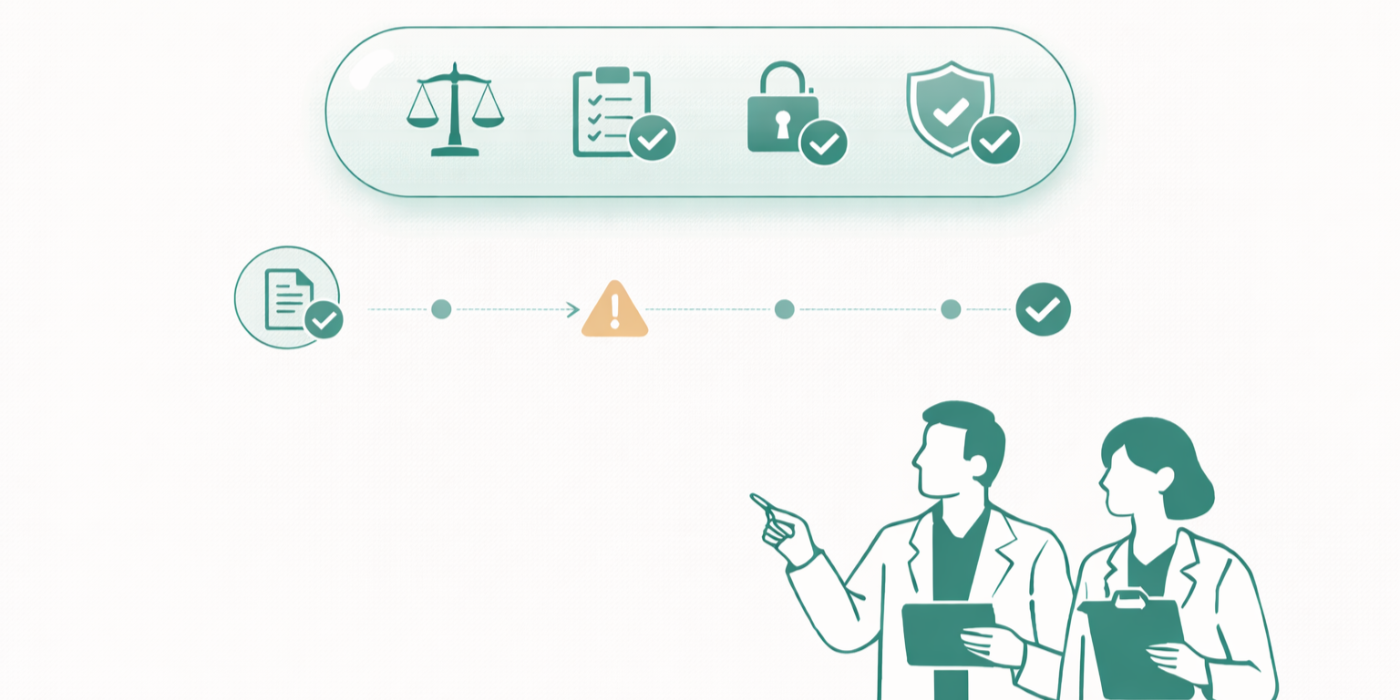
1. Why Research Assistants Are a Frontline Compliance and Ethics Control
Many research teams treat compliance and ethics as PI-only or coordinator-only territory. That assumption creates preventable mistakes. Research assistants may not always hold final authority, but they routinely influence data quality, participant experience, documentation flow, and escalation speed. In real trial operations, that means an RA can either strengthen control—or become an unintentional failure point.
For example, an RA who does not understand ICH guidelines simplified for researchers may follow instructions mechanically but miss when a process conflicts with GCP compliance strategies for clinical research coordinators. An RA who is unclear on IRB roles and responsibilities may help implement a change before approval is active. An RA who has weak grounding in clinical trial protocol management responsibilities can create protocol drift while trying to “keep things moving.”
Ethics failures at the RA level are often subtle. They rarely start as intentional misconduct. They start as pressure responses: enrollment targets, time pressure, patient frustration, incomplete handoffs, or fear of asking “basic” questions. That is why mastery requires more than definitions. It requires judgment. You need to know what to do, what not to do, what to escalate, and how to document actions so the study remains defensible.
A strong RA understands how compliance connects to clinical trial protocols and examples, adverse events identification and management, case report forms and best practices, primary vs secondary endpoints, and blinding in clinical trials. That is the mindset shift from task helper to trusted research professional.
2. Core Research Compliance & Ethics Domains Every Research Assistant Must Master
Research assistants do not need to become mini-lawyers or replace investigators. They do need mastery of the core domains where mistakes carry ethical, regulatory, and operational consequences. The fastest way to build that mastery is to organize learning around risk zones, not around random modules.
1) Protocol compliance and role boundaries
An RA should know what the protocol requires, what their delegated tasks are, and where their authority stops. This means understanding the practical workflow from clinical trial protocol fundamentals, recognizing how deviations are created in day-to-day scheduling and documentation, and escalating early instead of improvising. It also means knowing when to hand off to CRCs, Sub-Is, or PIs, especially for clinical judgment, causality questions, or consent clarifications.
2) Ethics in participant-facing communication
Most ethics problems at the RA level appear in communication: tone, wording, pressure, promises, and boundaries. You can be warm without being persuasive. You can be informative without being directive. You can support retention without compromising voluntariness. RAs should be trained to use approved scripts, avoid overpromising outcomes, and escalate sensitive questions to authorized personnel. This aligns with the ethical core behind IRB responsibilities and the real-world demands of patient safety oversight in trials.
3) Data integrity and documentation discipline
Ethics is not only about consent and patient conversations. It also lives inside data handling. Inaccurate timestamps, memory-based entries, undocumented corrections, and “cleaning up” notes after the fact all create trust failures. RAs must understand how CRF best practices, biostatistics basics in trials, and endpoint definitions like primary vs secondary endpoints depend on accurate source-to-CRF traceability.
4) Safety awareness and escalation behavior
RAs are often the first to hear participant complaints or notice unusual patterns. They are not always the ones making clinical assessments, but they must know when a symptom or event could be an AE and how quickly to escalate. Training should connect to adverse event identification and management, essential adverse event reporting techniques for CRCs, and broader drug safety reporting requirements so RAs understand why “I was waiting for more details” is often a dangerous delay.
5) Confidentiality and professionalism under pressure
A skilled RA can protect privacy in crowded clinics, busy inboxes, rushed calls, and remote work settings. This includes avoiding oversharing identifiable information, using secure channels correctly, and documenting facts without editorializing. It also includes emotional professionalism: not hiding mistakes, not guessing answers during monitoring visits, and not changing records to avoid embarrassment.
This is what employers, sites, and CRO teams look for when promoting RAs into stronger roles alongside CRC pathways, CRA pathways, and specialized tracks like pharmacovigilance fundamentals.
3. Ethical Decision-Making for Research Assistants in Real Study Scenarios
The hardest part of compliance is not memorizing rules. It is making clean decisions when time pressure, hierarchy, and uncertainty collide. Research assistants who become outstanding do one thing consistently: they slow the decision down just enough to protect the subject and the study.
Here is a practical ethics decision framework for RAs:
Step 1: Identify the risk type before acting
Ask: Is this issue about subject rights, subject safety, protocol compliance, data integrity, privacy, or role boundary? Labeling the risk changes your next move. A scheduling problem may actually be a deviation risk. A participant complaint may actually be a safety event signal. A “simple wording change” may actually require IRB approval.
Step 2: Separate facts from assumptions
Document what happened, when, who was involved, and what was observed. Do not fill gaps with interpretation. This matters in cases involving randomization procedures, blinding protections, or safety concerns where narrative drift can create bigger compliance problems than the original event.
Step 3: Check role and delegation
Before speaking, documenting, or acting, ask whether the task is delegated to you. If not, escalate. This prevents common RA mistakes like answering medical eligibility questions, interpreting risk language, or independently deciding whether an event is “not important.”
Step 4: Escalate early, not perfectly
A major pain point for new RAs is fear of looking inexperienced. That fear causes silent delay. In compliance work, delayed escalation is often worse than asking a basic question. Strong RAs escalate with concise facts and no drama. They do not wait for a full narrative if the issue could impact safety, consent, or protocol execution.
Step 5: Document the action trail
If you escalated, note when and to whom. If you paused an action pending confirmation, document that. If a participant concern was forwarded to authorized staff, capture it properly. This creates defensible evidence and supports the broader quality systems used in clinical trial auditing and inspection readiness, managing regulatory documents, and GCP compliance essentials for CRAs.
Real mastery shows up when the RA protects compliance without freezing operations. That balance is what makes supervisors trust you with more responsibility.
What is your biggest research compliance & ethics blocker as an RA?
Choose one. Your answer reveals the fastest mastery gap to fix.
4. Common Compliance & Ethics Mistakes Research Assistants Make (and How to Prevent Them)
Most RA mistakes are not caused by carelessness. They are caused by pressure, unclear expectations, and weak scenario-based training. That is fixable. The key is to identify repeat patterns and build safeguards before they become findings.
Mistake 1: “Helping” beyond delegation
A participant asks a detailed medical or risk-benefit question, and the RA tries to be useful by answering beyond training. This can create consent quality issues and role-boundary violations. Prevention: use a scripted bridge phrase, route the question to authorized staff, and document the handoff if needed. Pair this with study-team training rooted in regulatory and ethical responsibilities for principal investigators and patient safety oversight expectations.
Mistake 2: Treating documentation as “admin work”
RAs under pressure may see notes, logs, and source updates as secondary to participant flow. This mindset causes late entries, missing rationale, and inconsistent timestamps. Prevention: train RAs to understand that documentation is not bureaucracy—it is the evidence trail that supports subject safety, data integrity, and inspection defense. Reinforce with clinical trial documentation techniques for CRAs and regulatory document management guidance.
Mistake 3: Waiting for certainty before escalating possible AEs
RAs often delay raising a concern because they are unsure whether it “counts.” That delay can harm safety reporting timelines. Prevention: train on “signal first, classify later” behavior using AE identification and reporting principles, CRC adverse event reporting techniques, and drug safety reporting timelines.
Mistake 4: Quietly correcting process failures instead of reporting deviations
A missed window or skipped step gets “managed” informally to avoid extra work. This creates ethical and compliance risk, especially if records are reshaped to appear compliant. Prevention: build a non-punitive escalation culture and clear deviation workflows. Teams that do this well also perform better in audit and inspection readiness because they can show transparent controls.
Mistake 5: Using outdated materials during fast-moving studies
Amendments, updated scripts, new forms, and revised instructions create version-control traps. Prevention: enforce active-version verification at the start of each participant-facing workflow and keep versioned materials accessible. Link this training back to clinical trial protocol management and IRB process awareness.
Mistake 6: Fear-based silence during monitoring or audits
RAs may guess answers to avoid looking unprepared. That creates inconsistent statements and avoidable scrutiny. Prevention: train a simple rule—answer facts within your role, say when you do not know, and bring the appropriate person. This professionalism builds trust quickly with CRAs and auditors.
The deeper fix across all six mistakes is the same: move from generic “compliance training” to scenario-based RA training tied to actual study workflows.

5. A Practical Mastery Plan for Research Assistants: How to Become Ethically Sharp and Audit-Ready
If you want to become a high-trust research assistant, you need more than task exposure. You need a deliberate mastery plan that compounds weekly. Here is a practical path that works in real sites and study teams.
Phase 1: Build your compliance vocabulary with application
Start by learning the language that drives daily trial work—not just definitions, but usage. Use resources like the 100 most important clinical research terms, top clinical research acronyms, CRC terms, CRA terms, and PI terms. Focus on terms you encounter in source notes, emails, visit prep, deviations, and monitoring follow-ups.
Phase 2: Create a personal escalation map
Write down the top 15 issues you might encounter (participant symptom complaint, missed window, consent confusion, privacy concern, unapproved form, randomization issue, specimen labeling concern, etc.). For each, define:
who to notify first,
what facts to capture,
what not to do,
what documentation is expected.
This single exercise dramatically reduces hesitation in real situations.
Phase 3: Master one workflow at a time
Do not try to “know everything.” Pick one workflow per week and learn its compliance risks end to end:
participant screening communication
visit prep and window management
source documentation and CRF support
AE signal recognition and escalation
regulatory filing support
monitoring visit preparation
Use related CCRPS guides such as CRA roles and skills, CRC responsibilities, GCP essentials for CRAs, and GCP strategies for CRCs to understand how your work affects the people reviewing it later.
Phase 4: Practice ethics under pressure
Ask your supervisor for scenario drills or build your own reflection routine after difficult days:
What pressure was present?
What shortcut was tempting?
What rule/ethics principle applied?
What did I escalate?
What would I do faster next time?
This is how you develop judgment, not just knowledge.
Phase 5: Build your career through compliance credibility
Compliance and ethics mastery make you promotable. It improves your readiness for coordinator roles, monitoring-facing responsibilities, and specialized pathways. Combine that with career resources like clinical research certification provider comparisons, clinical research continuing education providers, clinical research conferences and events, networking groups and forums, and best LinkedIn groups for clinical research professionals. The professionals who stand out are usually not the loudest—they are the most reliable under pressure.
6. FAQs: Research Compliance & Ethics Mastery for Research Assistants
-
Yes. RAs handle participant communication, documentation, data flow, and issue escalation that directly affect subject rights, safety, and protocol compliance. Even without final authority, RA actions can create or prevent major findings.
-
A common mistake is trying to be helpful beyond role boundaries—especially when answering participant questions that require investigator-level judgment. The safest habit is to support, clarify process, and escalate clinical or risk-related questions.
-
Use a simple trigger rule: if it affects subject safety, consent quality, privacy, protocol adherence, data integrity, or your delegated role boundary, escalate early. Do not wait for certainty when timing matters.
-
It is both. Poor documentation can hide what happened, distort data integrity, and weaken subject protection. Ethical research depends on accurate, timely, traceable records—not just good intentions.
-
Focus on a few habits: verify active versions, document facts clearly, stay within delegation, escalate early, and maintain privacy discipline. Then practice one workflow at a time until the compliance steps become automatic.
-
Absolutely. Supervisors promote people they trust under pressure. Strong compliance behavior improves readiness for CRC roles, supports smoother collaboration with CRAs, and builds credibility for certifications and advanced training.
