
Expert Time Management Techniques for the CRA Certification Exam
CRA candidates don’t fail because they “don’t know GCP.” They fail because they bleed minutes on deceptively simple questions, overthink distractors, and arrive at the final third of the exam mentally tired and behind schedule. Time management is not a motivational concept—it’s an execution system that protects your score when the test gets dense, the wording gets slippery, and your confidence starts to wobble. This guide gives you that system: pacing math, triage rules, and review discipline built for CRA-style scenarios.
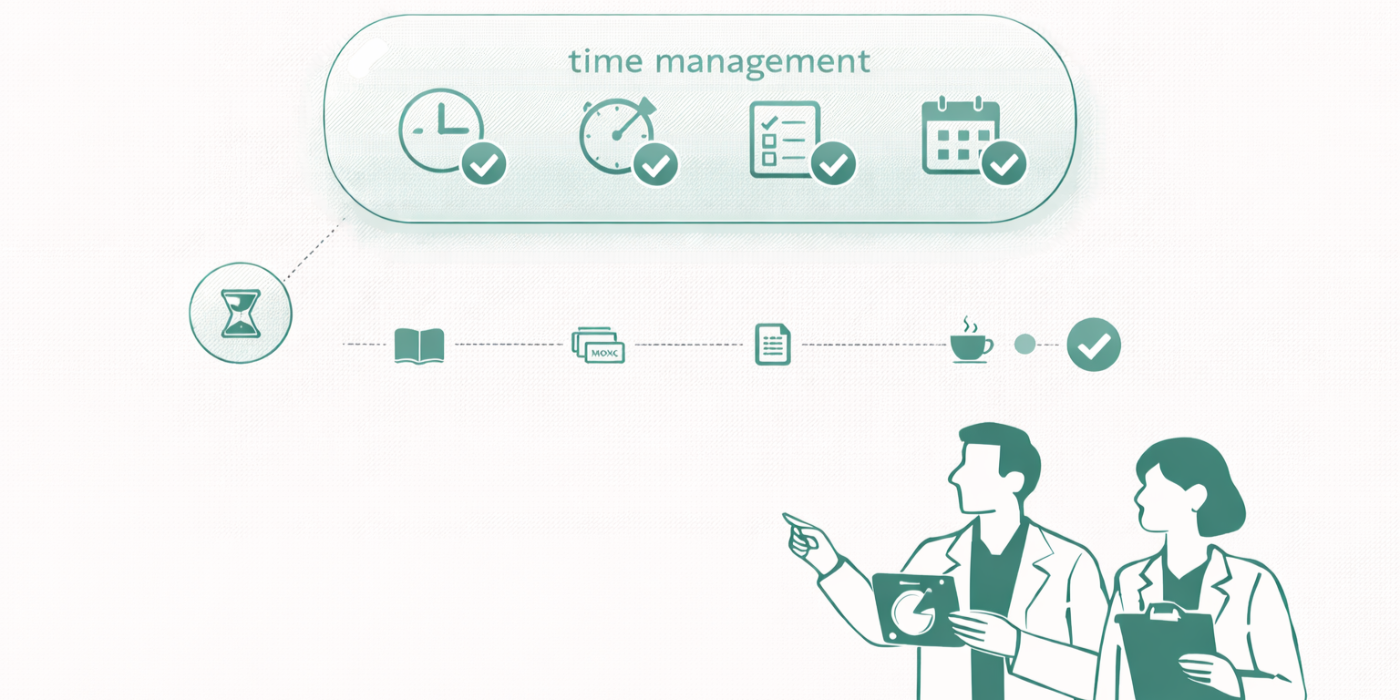
1) The CRA Exam Time Problem: Where Minutes Quietly Die
Most candidates misdiagnose their time issue as “I read too slowly.” The real problem is decision friction—you re-read, second-guess, and attempt to “prove” every answer, even when the exam only requires the most defensible next step. If you want to score like a monitor, you have to think like a monitor: prioritize patient safety, protocol compliance, documentation integrity, and clean escalation.
Start by grounding your test mindset in what the role is actually judged on: CRA roles, skills, and career path and the compliance spine in GCP compliance essentials for CRAs. Those two pages explain why “perfect knowledge” is not the same as “fast correct decisions.” Your goal is not to win debates with the exam. Your goal is to pick the highest-safety, highest-defensibility option quickly—exactly the thinking expected in clinical trial auditing and inspection readiness for CRAs.
The biggest time traps usually look like this:
You spend 2–3 minutes on a question you already understood, because two answers seem plausible.
You reread the stem three times instead of extracting the tested domain (consent, AE/SAE, protocol deviation, documentation correction, TMF/reg essentials).
You review emotionally (changing answers because anxiety spikes), not logically (changing only when you find a violated GCP principle).
If you consistently run out of time, it’s almost always because your strategy is missing triage and your review rules are missing discipline. Fix those and your score rises even if your knowledge stays the same.
2) Pacing Blueprint: The Only Math You Need to Control the Exam
Time management becomes easy when you stop guessing and start using checkpoints. Your goal is to avoid the two disasters CRA candidates hit:
Slow bleed: you’re only 15 seconds over per question, but you’re 20 minutes behind by the end.
Late panic: you rush the final third and donate points to careless errors.
Use a pacing blueprint that works for almost any multiple-choice exam format:
A) Build a “two-speed” answering system
Speed 1: 30–45 seconds for questions that test definitions, role boundaries, or obvious GCP order-of-operations.
Examples: role scope, basic documentation correction, simple escalation path. These are where you bank time.
Speed 2: 60–90 seconds for scenario-heavy items (protocol deviation nuance, consent exceptions, AE reporting logic).
If you pass 90 seconds, your rule becomes: commit, flag, move. You are not allowed to bargain with the clock.
This system aligns with monitor reality: CRAs make fast defensible decisions daily, especially when applying GCP compliance essentials and documentation expectations from CRA documentation techniques.
B) Use “domain tagging” to stop rereading
In the first 10 seconds, tag the question:
Consent → go to informed consent procedures logic: version control, no backdating, rights first.
Safety → go to AE reporting techniques + drug safety timelines mindset.
Protocol → go to protocol management responsibilities: adherence, deviations, impact.
Docs/data integrity → go to CRF best practices and CRA doc discipline in documentation techniques.
Audit/inspection readiness → default to “choose the action that creates evidence,” grounded by inspection readiness for CRAs.
Once you tag the domain, you stop rereading, because you’re answering from a known rule set.
C) Create checkpoints to prevent “silent behind”
If your exam platform shows a timer, set mental checkpoints. Even without exact exam length, the rule holds:
After each block of ~10 questions, you should feel calm and not rushed.
If you notice urgency rising, you are behind—start triage immediately (see H2 #3).
Pacing is not about speed-reading. It’s about reducing decision friction by applying the same few principles repeatedly.
3) Triage: The CRA Answering System That Saves 15–25 Minutes
Triage is what separates high scorers from knowledgeable slow scorers. It’s the system that ensures you don’t spend premium minutes on low-probability wins.
Step 1: Categorize each question instantly
Green (Bank it): you’re ≥80% sure within 30–45 seconds → answer, don’t review.
Yellow (Solve): you need 60–90 seconds → apply the decision tree, answer, consider a flag only if uncertainty remains.
Red (Park it): you’re stuck after 60 seconds or the stem is complex → educated guess, flag, move.
This is where proven test-taking strategies becomes your tactical playbook: eliminate absolutes, hunt for GCP-safe sequences, and resist distractors that sound “helpful” but break audit trail.
Step 2: Use the CRA “Defensibility Filter”
When two answers seem right, don’t debate in your head—run a quick filter:
Does an option create or destroy an audit trail?
Anything implying backdating, silent correction, or undocumented workaround is almost always wrong. This is straight from documentation techniques for CRAs and the inspection mindset in audit readiness.Does an option respect oversight and escalation?
CRAs don’t “fix quietly.” They verify, document, escalate, and ensure corrective action. That’s baked into CRA GCP essentials.Does an option protect subject rights and safety first?
If safety is involved, choices that delay or minimize reporting are wrong. Use drug safety reporting timelines as your mental anchor.
Step 3: Guess like a professional (not like a gambler)
A “good guess” is one that aligns with GCP principles even if you’re unsure of a detail:
Choose the option that prioritizes safety and rights.
Choose the option that documents actions and preserves audit trail.
Choose the option that follows protocol/SOP and escalates appropriately.
This approach is why candidates who truly internalize GCP essentials for CRAs often outperform “memorization-only” candidates—even under time pressure.
4) Micro-Techniques That Instantly Speed Up CRA Questions (Without Rushing)
Speed doesn’t come from reading faster. It comes from processing smarter—extracting what’s tested, eliminating distractors quickly, and moving with confidence.
Technique 1: Read the last line first
CRA stems are full of noise. The last line usually reveals the tested skill:
“What is the best next step?” → order-of-operations question.
“Which is most accurate?” → definition or principle.
“What should the CRA document?” → audit trail question.
Once you identify the question type, your brain knows which rule set to apply from test-taking strategies and CRA documentation essentials.
Technique 2: Eliminate two options in 10 seconds
Train your elimination like a reflex:
Kill answers with absolutes (“always,” “never”) unless the principle truly is absolute.
Kill answers that propose undocumented fixes (backdating, rewriting source, “just do it and tell later”).
Kill answers that skip oversight/escalation when safety/compliance is implicated.
This aligns with the inspection reality taught in CRA auditing and inspection readiness.
Technique 3: Use the “one-sentence justification” rule
If you can’t justify your answer in one sentence, you’re at risk of spending too long. Your justification should sound like:
“This protects subject rights and preserves audit trail.”
“This follows protocol and documents deviation impact.”
“This escalates safety appropriately and captures timelines.”
These one-sentence rationales map directly to GCP essentials for CRAs and drug safety reporting timelines.
Technique 4: Stop “reviewing” while answering
Answering time and review time must be separate. If you answer and then immediately second-guess, you double-spend minutes. Instead:
Answer decisively.
Flag only if there’s a concrete reason (missing definition, unclear timeline).
Move on.
This is how you prevent anxiety from hijacking your pacing, and it pairs well with exam anxiety strategies.
Technique 5: Build your “high-yield fast lanes”
Some domains should become automatic:
Consent integrity: informed consent procedures
Data integrity: CRF best practices
Inspection mindset: audit readiness
CRA role boundaries: CRA roles and skills
When these become fast lanes, you gain time without any “risky rushing.”

5) Practice Like the Exam: The 10-Day Timing Training Plan
The fastest way to get faster is to practice in conditions that force speed. Untimed practice teaches your brain that slow deliberation is normal. Then exam day punishes you.
Days 1–2: Baseline + pacing calibration
Do two timed sets of 25 questions. Track:
Average time per question
Which domains spike your time (safety, consent, protocol deviations, docs)
Use CRA documentation techniques and CRA GCP essentials to classify why those domains are slow: missing definitions or missing decision rules.
Days 3–6: Domain speed drills (the score accelerator)
Pick your slowest domain and drill it under time constraints:
Consent drill day: 30 questions, 45 seconds target, using consent mastery.
Safety drill day: 30 questions, 60 seconds target, anchored by drug safety timelines and supported by AE reporting.
Documentation drill day: 30 questions, 45 seconds target, guided by CRF best practices and CRA documentation.
Days 7–9: Mixed sets + triage enforcement
Timed mixed sets with a strict rule: any question over 90 seconds gets guessed, flagged, and left. Your goal is to build the habit, not to feel comfortable.
Support your system with test-taking strategies so your elimination becomes automatic.
Day 10: Full simulation + review discipline
One full timed run. Then review only flagged questions first. Change answers only when you identify a violated principle from GCP essentials or an audit-trail issue from inspection readiness.
6) FAQs: CRA Exam Time Management (Real Fixes)
-
Use the defensibility filter: which option best protects safety, protocol compliance, and documentation integrity in the correct order. Most wrong “almost right” answers skip documentation or escalation. This logic is core to GCP essentials for CRAs and the inspection mindset in audit readiness.
-
Commit, guess, flag, move—then recover time on easier questions. Getting one hard question wrong is less damaging than rushing 10 later. This is a key principle in test-taking strategies.
-
No. Review should be for flagged questions only. Reviewing everything burns time and increases answer changes driven by anxiety. Use exam anxiety strategies to keep review logical, not emotional.
-
Consent integrity, safety escalation basics, documentation/audit trail rules, and role boundaries. Build speed in these using consent mastery, drug safety timelines, CRA documentation techniques, and CRA role clarity.
-
Start with short timed sets (15–25 questions), enforce the 90-second max, and build pacing checkpoints. Your brain adapts quickly when conditions are consistent. Pair this with creating the perfect study environment so you practice like you’ll perform.
-
They treat the exam like a debate instead of a risk-control exercise. The exam rewards the action that creates safety and evidence. If you internalize that through GCP essentials for CRAs and inspection readiness, your decisions get faster automatically.
