
Gut Health Clinical Trials: Why Your Microbiome Might Cure Disease by 2030
The microbiome is no longer a fringe wellness talking point. In clinical research, it is becoming one of the most disruptive variables in prevention, treatment response, immune regulation, inflammation control, and personalized medicine. The reason is simple: gut biology influences far more than digestion. It shapes how people metabolize drugs, respond to immunotherapy, regulate inflammation, recover from infection, and potentially resist chronic disease. That is why gut health clinical trials are moving from exploratory curiosity to strategic priority.
By 2030, the biggest winners may not be the organizations that chase microbiome hype. They will be the ones that turn microbiome science into rigorous, recruitable, retention-friendly, audit-ready studies. That means smarter endpoints, tighter protocol design, better biomarker logic, stronger patient education, and a much more serious approach to variability than many teams are using today.
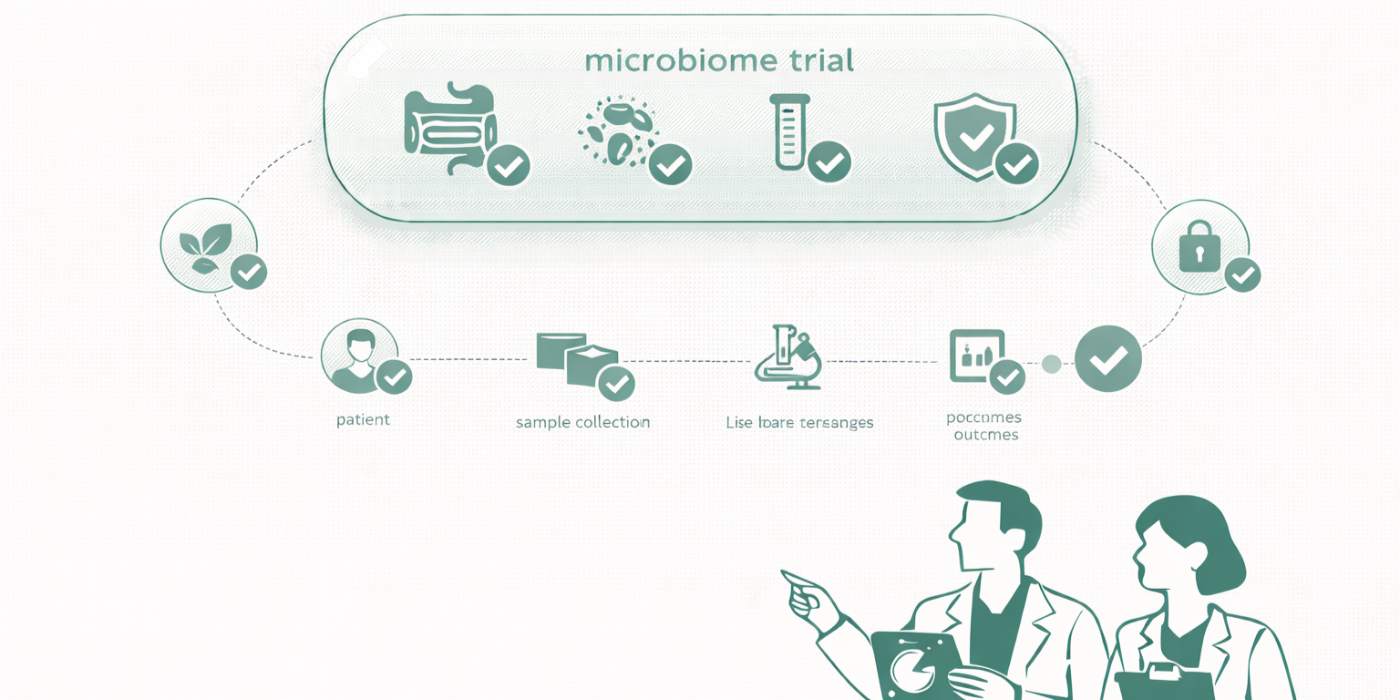
1. Why gut health is becoming one of the most important frontiers in clinical trials
The microbiome has become a serious clinical research priority because it sits at the crossroads of multiple high-value problems that drug developers, sites, and regulators care about deeply. It touches efficacy variability, adverse event patterns, host response, chronic inflammation, immune modulation, and disease heterogeneity. In plain terms, two patients with the same diagnosis can respond very differently to the same intervention, and the gut ecosystem may be one of the reasons.
This matters because modern trials are under pressure to become more precise, more efficient, and more predictive. Sponsors are already under scrutiny to improve clinical trial success rates by therapeutic area, reduce waste exposed in the state of clinical trials report, and build stronger biological logic into design choices. The microbiome adds a new layer to that pressure because it may help explain why some populations respond well, some experience toxicity, and others show weak or inconsistent benefit.
The biggest reason gut health research is accelerating is that the microbiome is no longer viewed only through a gastrointestinal lens. It is now being studied in oncology, immunology, metabolic disease, neurology, dermatology, autoimmune disease, infectious disease, psychiatry, and preventive health. Once the field recognized that microbial patterns could influence systemic biology, gut-focused trials stopped looking niche. They started looking foundational.
For clinical teams, this creates both opportunity and pain. Opportunity comes from better stratification, smarter endpoints, and more personalized intervention models. The pain comes from complexity. Microbiome data are noisy. Diet changes everything. Antibiotic exposure distorts baselines. Geography matters. Sequencing methods vary. Lifestyle effects are constant confounders. A trial that ignores these realities can produce elegant-looking but clinically weak conclusions. This is exactly why strong design disciplines drawn from biostatistics in clinical trials, case report form best practices, randomization techniques, and blinding in clinical trials matter so much here.
Another reason this space is heating up is that microbiome-based interventions are becoming more diverse. The field is no longer limited to general probiotics. Trials are now exploring live biotherapeutic products, prebiotics, synbiotics, postbiotics, dietary modulation, fecal microbiota-based strategies, microbial metabolite interventions, and combination approaches with immunotherapy, anti-inflammatory drugs, and digital monitoring. That diversity creates a richer pipeline, but it also creates a more difficult training burden for teams responsible for essential training requirements under GCP guidelines, managing study documentation, regulatory submissions, and patient safety oversight.
There is also a strategic industry reason for the microbiome boom: traditional drug development is expensive, slow, and failure-prone. Anything that helps identify response drivers, rescue responder subgroups, refine eligibility logic, or reduce preventable attrition becomes highly attractive. The microbiome offers exactly that kind of promise. Whether it fully delivers by 2030 remains to be seen, but its influence on trial design is already becoming too large to ignore.
| Microbiome Trial Focus Area | Why It Matters | Common Trial Challenge | High-Value Endpoint or Measure | Practical Design Insight |
|---|---|---|---|---|
| IBS symptom trials | Huge burden and variable response | Placebo response is often high | Symptom severity plus stool pattern change | Stratify by baseline symptom phenotype |
| IBD adjunctive therapy trials | Inflammation and remission are central | Disease activity fluctuates sharply | Clinical remission and inflammatory markers | Control rescue medication recording tightly |
| C. difficile recurrence prevention | Microbiome restoration is highly relevant | Recent antibiotic exposure confounds data | Recurrence rate and microbiome restoration markers | Document antibiotic timing precisely |
| Obesity and metabolic syndrome | Gut-host metabolism is interactive | Dietary noise overwhelms signals | Body composition plus metabolic biomarkers | Standardize dietary capture from day one |
| Type 2 diabetes support studies | Microbial metabolites may affect glucose control | Medication changes can mask effects | HbA1c and insulin sensitivity metrics | Track co-therapy shifts in real time |
| NAFLD and liver inflammation | Gut-liver axis is highly active | Weight loss confounds interpretation | Liver enzymes plus imaging trends | Separate metabolic from microbiome effects analytically |
| Immunotherapy response modulation | Microbiome may affect response depth | Oncology populations are clinically complex | Response rate with safety overlay | Build antibiotic exposure into eligibility logic |
| Checkpoint inhibitor toxicity studies | Immune side effects may be microbiome-linked | Signal attribution is difficult | Toxicity incidence and severity grading | Integrate adverse event timing with stool sampling |
| Antibiotic recovery studies | Recovery trajectories differ widely | Participants may self-medicate unpredictably | Diversity recovery plus symptom burden | Use adherence checks beyond self-report |
| Pediatric allergy prevention | Early microbiome development matters | Caregiver adherence varies | Allergy development and immune markers | Invest heavily in caregiver-facing education |
| Atopic dermatitis adjunct studies | Gut-skin axis is clinically relevant | Topical therapy changes muddy signals | Severity scores plus flare frequency | Capture rescue topical usage rigorously |
| Asthma inflammation studies | Gut-immune crosstalk may affect control | Environmental triggers dilute effects | Exacerbation frequency and biomarker shift | Use seasonality-aware enrollment windows |
| Depression adjunct trials | Gut-brain hypotheses are expanding fast | Mood outcomes are multifactorial | Validated mood scales with adherence markers | Avoid overclaiming mechanistic certainty |
| Autism-related GI burden studies | GI symptoms may affect quality of life | Outcome selection is highly sensitive | GI symptom scales and caregiver reports | Define meaningful benefit carefully |
| Parkinson’s constipation trials | GI symptoms are common and burdensome | Neurologic progression affects outcomes | Bowel function and quality-of-life change | Keep neurologic co-variables visible |
| Alzheimer’s prevention exploration | Gut-brain interest is rising | Long horizons strain retention | Cognitive trajectory plus biomarker signal | Retention strategy is as important as science |
| Autoimmune disease modulation | Inflammatory tone may be gut-linked | Concurrent immunotherapies complicate interpretation | Disease activity index and inflammatory profile | Predefine subgroup logic before enrollment |
| Rheumatoid arthritis adjunct studies | Inflammation and pain may be impacted | Background therapy noise is high | Joint scores and inflammatory markers | Account for steroid rescue carefully |
| Sleep quality interventions | Microbiome links with circadian biology are emerging | Behavioral confounding is constant | Sleep scores and wearable-derived trends | Pair subjective with objective sleep capture |
| Endometriosis symptom support | Inflammation and pain burden are central | Hormonal changes complicate patterns | Pain severity and function measures | Map outcomes to cycle-related variability |
| PCOS metabolic-gut studies | Hormonal and metabolic effects may intersect | Lifestyle interventions blur attribution | Metabolic markers and symptom changes | Predefine diet-exercise co-intervention rules |
| Frailty and aging studies | Microbiome resilience may affect aging biology | Polypharmacy confounds nearly everything | Function, nutrition, and inflammation markers | Medication mapping is non-negotiable |
| ICU recovery and post-infection health | Microbiome disruption is profound | Retention after acute illness is difficult | Recovery trajectory and infection recurrence | Plan follow-up burden realistically |
| Travelers’ diarrhea prevention | Practical preventive use case | Exposure conditions vary widely | Incidence and severity of episodes | Geography-specific risk mapping helps |
| Food sensitivity symptom studies | High public interest and poor clarity | Self-diagnosis distorts baseline behavior | Symptom burden and diet adherence patterns | Use run-in periods to stabilize behavior |
| Cancer supportive care nutrition | GI tolerance affects treatment endurance | Rapid clinical changes challenge continuity | Nutrition tolerance and treatment persistence | Integrate oncology workflow realities early |
| Postbiotic product trials | Mechanistic control may be better than live products | Outcome expectations are often inflated | Clinical effect plus tolerability profile | Anchor claims to measurable benefit only |
| Personalized nutrition-microbiome studies | Precision prevention is commercially attractive | Behavior change drives much of the outcome | Metabolic response plus adherence behavior | Separate engagement effects from biology |
2. What microbiome trials could realistically change by 2030 and where the hype goes too far
The smartest way to think about microbiome trials is not to ask whether the gut will “cure disease.” That framing is catchy, but sloppy. The more useful question is where microbiome-informed interventions can produce measurable, reproducible, clinically meaningful impact by 2030. In some areas, the effect may be direct. In others, it may be supportive, predictive, or stratifying rather than curative.
The most realistic near-term value is in four zones. First, microbiome science may help identify responder subgroups more effectively. Second, it may reduce recurrence or improve symptom control in selected disease states. Third, it may support adjunctive care by improving tolerability, immune balance, or inflammation control. Fourth, it may refine patient selection and endpoint logic by revealing hidden biological heterogeneity. Those are serious wins even when they fall short of miracle-cure narratives.
This matters because the field is especially vulnerable to overclaiming. Public enthusiasm around gut health often races far ahead of evidence quality. Patients come into studies expecting energy transformation, mood stabilization, autoimmune relief, metabolic recovery, and digestive improvement all at once. That expectation problem can damage recruitment quality, informed consent quality, and retention quality. If participants join based on lifestyle hype rather than protocol reality, disappointment becomes a retention risk. That is why strong alignment with informed consent procedures, primary vs secondary endpoints, placebo-controlled trials, and data monitoring committee roles becomes essential.
By 2030, microbiome trials may most convincingly influence areas where biology, biomarkers, and symptom burden can be linked in a reasonably coherent way. Recurrence prevention after microbiome disruption is one example. Specific inflammatory GI conditions are another. Oncology response modulation is a major frontier, but it is also one of the most complex because treatment pathways, antibiotic exposure, immune signaling, and disease severity create dense noise. The field may also produce meaningful contributions in prevention science, especially when combined with real-world evidence integration, AI and digital health in trials, and wearable-enabled behavior capture.
Where does the hype go too far? It goes too far when microbiome association is mistaken for therapeutic certainty. It goes too far when sequencing data are treated as destiny. It goes too far when “personalized gut health” is marketed like a fully mature discipline rather than a fast-evolving research space full of confounders. It goes too far when investigators fail to distinguish between correlation, mechanistic plausibility, and clinically proven intervention effect.
It also goes too far when operational realities are ignored. Stool collection sounds simple in theory, but in practice it can hurt adherence, disgust participants, create shipping errors, and degrade sample quality. Diet logs are easy to request and difficult to trust. Antibiotic exposure history is routinely incomplete. Lifestyle drift erodes data integrity slowly. Teams that underestimate these pain points often produce beautiful scientific decks and messy trial execution. That is why microbiome studies demand the same respect for nuts-and-bolts operations seen in managing regulatory documents for CRCs, clinical trial protocol management, GCP compliance essentials for CRAs, and clinical trial auditing and inspection readiness.
The future of gut health research is likely to reward disciplined optimism. The science is too promising to dismiss and too complicated to romanticize. The teams that understand both truths will shape the field.
3. The biggest design, recruitment, and retention mistakes in gut health clinical trials
Microbiome trials fail for many of the same reasons other trials fail, but they also have their own unique traps. The first major mistake is poor baseline control. If diet, antibiotic exposure, probiotic use, bowel habits, travel history, co-medications, and recent infections are not captured with real discipline, the dataset becomes unstable before the intervention even has a chance to show effect. This is not a minor technical issue. It is a structural threat to interpretability.
The second mistake is weak endpoint selection. Too many gut health studies chase broad wellness language rather than meaningful clinical outcomes. If the endpoint does not connect to patient experience, disease activity, recurrence risk, or validated biomarker movement, the result may be scientifically interesting but operationally weak. Participants do not stay motivated by vague biological intrigue. They stay engaged when the trial explains what meaningful change looks like and why it matters to them.
The third mistake is underestimating participant burden. Microbiome trials often ask for repeated sample collection, food tracking, symptom diaries, lifestyle consistency, and timing-sensitive compliance. From the sponsor’s point of view, that looks data-rich. From the participant’s point of view, it can feel like an intrusive side job. This is exactly where clinical trial patient recruitment and retention trends, time management strategies for the CRC exam, clinical research coordinator responsibilities, and how to become a clinical research coordinator intersect with real study performance. Coordinators and site teams often determine whether complex gut protocols remain manageable or collapse into inconsistency.
The fourth mistake is treating adherence as a yes-or-no variable. In microbiome research, partial adherence can still distort biology. A participant who mostly follows diet guidance but intermittently changes supplements, takes antibiotics, or abandons sample timing can generate misleading signals. The solution is not just more reminders. It is smarter design. Simplify collection windows. Reduce nonessential tasks. Explain why each burden exists. Show participants how protocol drift damages the study’s ability to answer the question honestly.
The fifth mistake is recruitment messaging that oversells innovation and undersells discipline. Gut health is a magnet for hopeful patients who have been disappointed by standard care, online wellness culture, or vague supplement promises. That makes ethical messaging even more important. If teams imply life-changing outcomes where only exploratory benefit is justified, they may recruit faster at first but suffer worse retention, poorer trust, and more complaint risk later. This is why regulatory and ethical responsibilities for principal investigators, adverse event handling for PIs, drug safety reporting, and aggregate reports in pharmacovigilance are more relevant to this space than many marketers realize.
A sixth mistake is failing to operationalize heterogeneity. Microbiome trials are almost never dealing with a clean, uniform population. Baseline microbial states differ. Diet patterns differ. symptom clusters differ. Severity differs. Co-treatment history differs. Yet many studies still behave as if a broad intervention dropped onto a broad population will yield a clean average effect. That assumption is one reason signal gets lost. Smarter trials will pre-plan subgroup logic, responder analyses, and variability-aware monitoring rather than pretending the noise is someone else’s problem.
4. How to design a microbiome trial that can actually survive real-world execution
A microbiome trial becomes credible when its scientific ambition is matched by operational realism. The first principle is to design backward from contamination risk. Ask what can distort the signal before asking what will measure it. Recent antibiotic exposure, major diet changes, probiotic self-supplementation, bowel prep procedures, acute infections, travel disruptions, and medication adjustments should all be treated as first-order design issues, not footnotes.
The second principle is to choose endpoints with layered meaning. A strong microbiome trial usually needs more than one lens. Clinical outcomes matter because they show patient-relevant effect. Biomarkers matter because they support mechanism. Behavioral and adherence measures matter because they reveal whether the intervention was actually followed. This is where good alignment with clinical research technology adoption, remote monitoring tools, clinical data management and EDC platforms, and research compliance and ethics mastery becomes extremely valuable.
Third, participant education must be far more sophisticated than in many conventional studies. People need to understand why stool timing matters, why certain supplements are restricted, why casual changes in diet can interfere with interpretation, and why “feeling better” is not always the only metric being studied. If these explanations are weak, participants start improvising. Improvisation destroys microbiome data quietly and often irreversibly.
Fourth, build burden reduction into the protocol, not as an afterthought. Reduce unnecessary collection points. Simplify kit instructions. Use plain-language visuals. Offer responsive coordinator support. Anticipate embarrassment and discomfort around sample handling instead of pretending they do not exist. In a microbiome trial, avoiding awkwardness is not a courtesy. It is a retention strategy.
Fifth, timing matters. Gut biology is dynamic. If sampling windows are too loose, signal erodes. If they are too rigid, adherence collapses. The design task is to find windows tight enough for scientific value and flexible enough for human compliance. This is the kind of operational judgment that separates elegant protocols from executable ones.
Sixth, predefine failure interpretation. If a trial misses its primary endpoint, was the biology wrong, the endpoint weak, the adherence insufficient, the population too broad, or the confounding uncontrolled? Teams should build that interpretive framework before launch. Otherwise they end up with expensive ambiguity. Strong planning of this kind mirrors the maturity seen in clinical trial resource allocation, vendor management in clinical trials, effective stakeholder communication, and clinical research project manager career development.
Finally, teams should decide early whether the trial is trying to prove treatment effect, identify responders, validate biomarkers, optimize dose timing, or generate feasibility evidence. Too many microbiome studies try to do everything at once and end up proving very little clearly. Precision of purpose is a major competitive advantage in this field.

5. Why microbiome research could reshape clinical research careers, tools, and strategy by 2030
If microbiome science continues advancing, it will not just change what trials study. It will change who gets hired, what capabilities matter, and how cross-functional teams work. Clinical research will need more professionals who can bridge biology, data interpretation, participant behavior, and operational quality. This is especially important because microbiome work lives in the messy middle ground between wet science and real-world human variability.
Coordinators will need stronger skill in participant coaching, burden management, and protocol adherence support. CRAs may need sharper instincts for hidden protocol drift in diet and supplement behavior. Data teams will need better ways to integrate sequencing outputs, symptom diaries, medication records, and lifestyle variables without letting the dataset turn into chaos. Regulatory professionals will need to navigate product classes and evidence claims that do not fit neatly into older frameworks. Medical affairs teams may need to communicate nuance in a space that the public already half-understands and half-mythologizes.
This shift will reward professionals who already think in systems. It connects naturally with career paths in clinical research associate roles and skills, clinical data manager roadmaps, clinical regulatory specialist pathways, and quality assurance specialist career growth. It also strengthens the case for deeper continuing education through clinical research continuing education providers, clinical research certification providers, clinical research journals and publications, and clinical research conferences and events.
Strategy will change too. Sponsors increasingly want studies that are not only scientifically sound but commercially and operationally persuasive. Microbiome research fits that demand because it can support prevention narratives, personalization narratives, digital health integration, and platform-based follow-up models. But those benefits only emerge when the science is coupled with robust execution. Otherwise microbiome programs become expensive storytelling exercises instead of durable assets.
By 2030, some of the most valuable microbiome contributions may come from combination thinking. The field could become stronger when paired with AI-powered clinical trials, predicting patient dropout, wearable tech in future clinical trials, and smart pills and digital biomarkers. AI may detect response patterns. Wearables may contextualize behavior. Digital biomarkers may reveal physiological shifts. But the microbiome could provide a biological layer that helps explain why those patterns differ across patients.
The broader lesson is that gut health research is forcing the industry to become less simplistic. It pushes teams to think about biology as dynamic, patients as behaviorally variable, and outcomes as context-dependent. That is difficult work, but it is also the kind of work that can move clinical research closer to the messy truth of real human disease rather than the clean fantasy of average-effect medicine.
6. FAQs
-
That phrasing is more provocative than precise. In some conditions, microbiome-based approaches may contribute to prevention, symptom relief, recurrence reduction, or better response prediction. In selected areas, they may become highly effective parts of treatment strategy. But broad “cure disease” language is too sweeping for the current evidence base. The stronger claim is that microbiome science could significantly improve how some diseases are prevented, stratified, monitored, or managed.
-
The biggest issue is variability. Diet, antibiotics, supplements, co-medications, geography, stress, illness, and baseline microbial differences can all distort the signal. On top of that, sample collection and diary burden can hurt adherence. A strong microbiome trial needs rigorous baseline capture, realistic participant education, carefully chosen endpoints, and retention planning that respects how demanding the protocol feels in real life.
-
Some of the strongest near-term promise lies in gastrointestinal disorders, recurrence prevention after microbiome disruption, inflammatory conditions, oncology response modulation, metabolic health, and selected immune-related conditions. The key is not just biological interest. It is whether the trial can define meaningful outcomes, control major confounders, and measure results in a way that patients and regulators both consider credible.
-
Because association is often mistaken for intervention success. A microbiome pattern may correlate with disease severity or treatment response without guaranteeing that changing that pattern will improve outcomes. Weak endpoint selection, uncontrolled confounders, inflated public expectations, and poor adherence can also produce a gap between scientific excitement and real clinical value.
-
Sites should reduce friction aggressively. Use simple collection instructions, explain the reason behind each task, prepare participants for awkward sample logistics, respond quickly to confusion, and avoid unnecessary protocol burden. Retention improves when participants feel the study is organized, respectful, and transparent rather than complicated, vague, and demanding.
-
Clinical professionals who can integrate patient education, protocol discipline, biological nuance, and data interpretation will become more valuable. That includes CRCs, CRAs, clinical data teams, regulatory specialists, quality professionals, and project managers who can handle complex variability without losing operational control. The winners in this field will be the people who can translate messy science into executable research.
