
Clinical Trial Sponsor: Roles, Responsibilities & Best Practices
Clinical trial sponsors sit at the center of study execution, but many professionals misunderstand what that actually means. A sponsor is not just the company funding a study, signing contracts, or waiting for milestones. The sponsor is the accountability engine behind trial quality, patient safety, oversight, vendor coordination, compliance decisions, and study-level risk control. When sponsor performance is weak, sites feel it fast: delayed answers, inconsistent oversight, confused vendors, protocol drift, documentation gaps, and rising inspection exposure.
This guide breaks down sponsor roles, responsibilities, and best practices in the way working professionals actually need it explained. Whether you are a Clinical Research Coordinator, Clinical Research Associate, Clinical Trial Manager, Principal Investigator, or Clinical Research Project Manager, understanding how sponsors operate will make you sharper, faster, and much harder to replace.
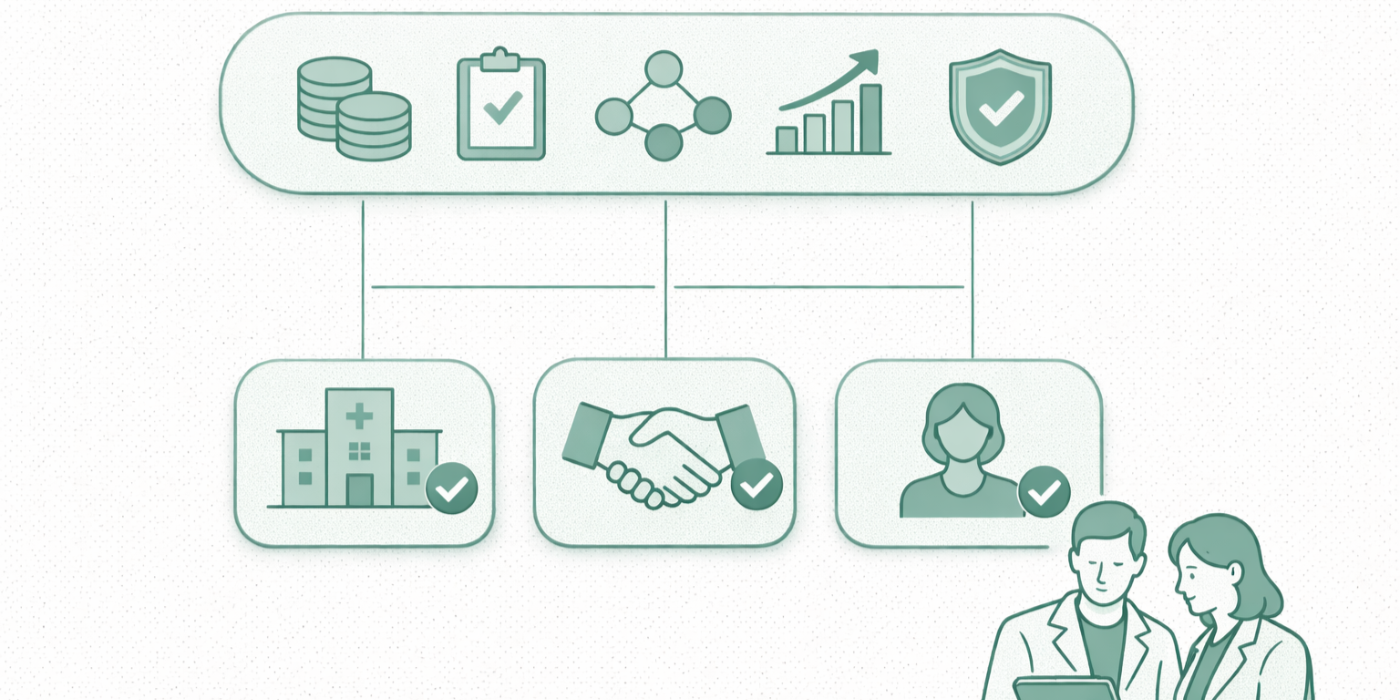
1. What a clinical trial sponsor actually is and why the role matters more than most teams realize
A clinical trial sponsor is the individual, company, institution, or organization that takes responsibility for the initiation, management, and financing or arrangement of financing of a clinical trial. That definition sounds clean, but in real operations it expands into much more: oversight of study conduct, control of vendors, safety governance, quality systems, data integrity expectations, regulatory alignment, and trial-level decision-making. In practice, the sponsor is the party that must make the study function as a controlled system, not just a funded idea. That is why sponsor quality directly affects Good Clinical Practice, clinical trial documentation, risk management in clinical trials, and handling clinical trial audits.
Many site teams reduce the sponsor to a logo on the protocol or a name on study correspondence. That is a mistake. A weak sponsor creates daily pain points that sites feel immediately: delayed answers to protocol questions, fragmented training, unstable vendor handoffs, late safety clarifications, inconsistent monitoring expectations, conflicting document templates, and reactive rather than preventive quality management. If you have ever seen a site struggle with regulatory document management, messy protocol management, poor resource allocation, or unclear vendor management, you have probably already seen sponsor weakness in action.
A strong sponsor does the opposite. It builds systems before crises arrive. It defines oversight before deviations pile up. It sets quality expectations before monitors and sites start interpreting the protocol in different ways. It aligns safety reporting, data review, operational escalation, and vendor accountability before one issue multiplies into ten. Professionals who understand sponsor logic usually get better at stakeholder communication, clinical research project planning, clinical compliance, and quality assurance.
Another reason the sponsor role matters is that responsibility cannot be outsourced away. Sponsors can delegate activities to CROs, labs, EDC vendors, imaging vendors, call centers, site networks, and other specialized partners, but they cannot delegate ultimate accountability for trial quality and compliance. That single fact explains why experienced professionals pay close attention to sponsor oversight models, sponsor training standards, sponsor escalation culture, and sponsor follow-through on corrective actions. The trial is only as disciplined as the sponsor’s control over the people acting in its name.
| # | Sponsor Responsibility Area | What It Covers | Common Failure Mode | Why It Hurts the Trial | Best Practice Fix |
|---|---|---|---|---|---|
| 1 | Protocol strategy | Study objectives, endpoints, feasibility, execution design | Overcomplicated protocol | Creates deviations, site burden, enrollment drag | Stress-test protocol operationally before launch |
| 2 | Investigator brochure alignment | Safety and product information consistency | Outdated references | Misleads sites and weakens safety interpretation | Maintain controlled document updates |
| 3 | Site selection | Assessing capability, patient access, staff readiness | Choosing on optimism, not evidence | Slow enrollment and unstable quality | Use realistic feasibility and performance data |
| 4 | Vendor oversight | CROs, labs, EDC, imaging, randomization, call centers | Assuming contract equals control | Escalations get missed between vendors | Define metrics, review cadence, ownership |
| 5 | Safety oversight | AE and SAE management, signal review, escalation | Delayed medical review | Patient risk and reporting exposure rise fast | Create clear safety review workflows |
| 6 | Monitoring model | On-site, remote, centralized, risk-based review | One-size-fits-all monitoring | Important risks stay hidden | Map monitoring to study risk profile |
| 7 | Training control | Protocol, systems, safety, documentation expectations | Training only at startup | Drift appears after amendments and staff turnover | Use recurring role-based training |
| 8 | Informed consent materials | Template quality, updates, risk disclosures | Slow updates after safety changes | Ethical and regulatory vulnerability | Build rapid amendment-to-site workflow |
| 9 | Regulatory submissions | Authority and ethics-related filings | Version control mistakes | Delays approvals and creates inspection findings | Use strict document governance |
| 10 | TMF / sponsor file quality | Essential document completeness and traceability | Backlog mentality | Inspection readiness collapses under pressure | Review completeness continuously |
| 11 | Budget oversight | Forecasting, burn tracking, cost decisions | Late cost visibility | Study gets constrained reactively | Link finances to operational risks |
| 12 | Enrollment strategy | Recruitment assumptions, support tactics, barriers | No rescue plan for low enrollment | Timelines slip and sites disengage | Track conversion drivers early |
| 13 | Data review governance | Cleaning, review cycles, issue detection | Late query trend analysis | Data risk reaches lock stage | Review data signals continuously |
| 14 | Randomization / blinding integrity | Allocation control, access restrictions, emergency unblinding | Weak access management | Trial integrity can be compromised | Test emergency procedures before go-live |
| 15 | IP supply chain | Manufacturing, labeling, storage, distribution | Shipment planning gaps | Subjects miss dosing windows | Build proactive resupply logic |
| 16 | Deviation governance | Identification, trending, CAPA, root cause review | Treating deviations as isolated events | Systemic risks stay alive | Trend deviations across sites and vendors |
| 17 | CAPA oversight | Corrective and preventive action follow-through | CAPAs written but not verified | Repeat findings continue | Check effectiveness, not just closure dates |
| 18 | Medical monitor access | Rapid input on eligibility, safety, dosing questions | Slow escalation path | Sites make inconsistent decisions | Define response time expectations |
| 19 | Communication governance | Decision pathways, issue routing, study-wide updates | Mixed messages from different functions | Sites lose confidence and consistency | Create one accountable communication channel |
| 20 | KPI management | Enrollment, data, deviations, monitoring, safety metrics | Tracking vanity metrics only | Real risks stay hidden | Use operationally meaningful indicators |
| 21 | Quality tolerance limits | Thresholds for critical study risks | Limits defined but not monitored | Important drift goes unnoticed | Review thresholds with action rules |
| 22 | Inspection readiness | Evidence of oversight, decisions, controls, training | Readiness starts too late | Records become reactive and incomplete | Build readiness from day one |
| 23 | Amendment implementation | Rollout of protocol, ICF, system, and training changes | Fragmented rollout timing | Sites apply inconsistent versions | Use controlled implementation checklist |
| 24 | Closeout planning | Final reconciliation, record retention, database cleanup | Waiting until end to define closeout steps | Backlogs delay final milestones | Plan closure alongside conduct |
| 25 | Cross-functional decision-making | Linking medical, operational, quality, data, and regulatory views | Siloed decisions | Study risks get solved too late or poorly | Run structured governance meetings |
| 26 | Issue escalation | Rapid routing of quality, safety, and timeline threats | Problems stay at site level too long | Minor issues become major delays | Define critical issue triggers early |
| 27 | Study-level lessons learned | Capturing reusable operational knowledge | Only reviewing failures after closeout | Repeated inefficiency across programs | Capture lessons during conduct, not after |
2. Core sponsor responsibilities across study startup, conduct, oversight, and closeout
The sponsor’s responsibilities begin long before first patient in and continue long after the last subject visit. At startup, sponsors shape the protocol, determine endpoints, align study design with feasibility, select vendors, define oversight plans, and establish study governance. If those foundations are weak, everything downstream becomes more expensive, slower, and more fragile. That is why sponsor responsibilities overlap deeply with randomization techniques, blinding strategy, primary versus secondary endpoints, placebo-controlled trial logic, and data monitoring committee roles.
During site activation, sponsors are responsible for building a system sites can actually execute. That includes training packages that make sense, escalation paths that are usable, study manuals that are consistent, technology that works in the real world, and communications that do not contradict one another across vendor lines. Sites do not suffer because studies are hard; they suffer because study expectations are unclear, scattered, or operationally unrealistic. Strong sponsors reduce that pain through discipline in informed consent procedures, essential training requirements, regulatory submissions mastery, and clinical trial documentation.
During study conduct, sponsors own trial-level oversight. That means they must know whether enrollment is collapsing, whether data quality is degrading, whether deviations are clustering, whether sites are drifting from protocol, whether vendor turnaround times are slipping, and whether safety signals are being reviewed in the right way. A sponsor that waits for a monthly slide deck to discover critical issues is already behind. High-performing sponsors review the study as a living system and use trending, governance meetings, and targeted interventions to protect quality. That operational maturity aligns with clinical data management, clinical data coordination, lead data analysis, and clinical operations management.
The sponsor also holds responsibility for safety architecture. That includes reviewing serious adverse events, ensuring the trial has proper medical oversight, maintaining reference safety information, managing expedited reporting pathways, and making sure emerging risks change trial conduct when needed. The teams that understand sponsor safety responsibilities usually become stronger in drug safety reporting, aggregate reports in pharmacovigilance, signal detection and management, and risk management plans.
At closeout, the sponsor’s responsibilities remain just as serious. Database lock, essential document completeness, final safety reconciliation, investigational product accountability, issue closure, vendor closeout, and record retention planning all sit inside sponsor accountability. Sponsors that treat closeout as an admin phase often discover too late that their trial is full of unresolved data queries, missing oversight evidence, weak TMF structure, and incomplete quality records. That is how a trial finishes on paper while remaining operationally unfinished.
3. Sponsor versus CRO versus investigator: where responsibilities differ and where confusion creates real damage
One of the most common operational misunderstandings in clinical research is the belief that the CRO “is the sponsor” once outsourced. That belief causes real problems because it encourages weak accountability thinking. A CRO may run many sponsor-delegated activities, but the sponsor remains responsible for ensuring those activities are appropriately selected, governed, and reviewed. The sponsor can delegate tasks, not accountability. Professionals who understand this distinction are usually better at CRA oversight, vendor management in trials, clinical trial auditing, and quality system thinking.
The sponsor sets expectations, approves strategy, oversees study-level risks, reviews performance, and ensures trial governance is effective. The CRO may manage monitoring operations, vendor coordination, study management, metrics compilation, site communications, and other delegated functions. The investigator, meanwhile, is responsible for conduct at the site level: participant safety, protocol compliance at the site, informed consent, source documentation, delegation oversight, and proper data generation. When these lines blur, the study starts leaking control. Sites may not know where to escalate issues. CRO teams may wait for sponsor decisions while sites assume answers are final. Investigators may expect someone else to absorb responsibilities that remain site-owned. The result is delay, inconsistency, and quality drift.
This confusion becomes especially dangerous in areas like protocol deviations, safety reporting, reconsent implementation, eligibility decisions, and CAPA ownership. For example, if an inclusion-exclusion issue arises, the investigator has site-level responsibility for subject eligibility decisions and documentation, but the sponsor has trial-level responsibility to assess whether the issue signals broader protocol design weakness, retraining needs, or cross-site risk. If a CRO logs the issue but the sponsor never trends it, the study loses the chance to prevent recurrence. That same logic applies in managing protocol deviations under GCP, research compliance and ethics, principal investigator responsibilities, and clinical regulatory specialist work.
Another painful area is communication. Sites often receive guidance from a CRA, a project lead, an EDC helpdesk, a medical monitor, and a sponsor representative in overlapping channels. If the sponsor does not govern those channels tightly, sites end up guessing which instruction controls. That is not a small annoyance; it is a compliance risk. Strong sponsors centralize final decisions, define who can issue binding study guidance, and document study-wide clarifications so that one site does not operate on an answer another site never received.
The cleanest way to understand the difference is this: investigators own site conduct, CROs may run delegated execution, but sponsors own the health of the trial as a whole. That includes proving, if challenged, that the system was designed, governed, reviewed, and corrected in a way that protected subjects and data integrity.
4. Best practices strong sponsors use to keep trials compliant, efficient, and inspection-ready
The best sponsors do not look impressive because they talk about quality constantly. They look impressive because their study systems reduce ambiguity, surface risk early, and make good decisions easier than bad ones. That begins with protocol realism. A protocol can be scientifically brilliant and still operationally destructive. Strong sponsors test feasibility honestly, pressure-test visit burden, review eligibility friction, examine data collection volume, and ask whether sites can execute the design without living in permanent deviation mode. This mindset connects directly to better clinical trial protocol development, stronger clinical trial project planning, clearer budget oversight, and more disciplined resource allocation.
Another best practice is building oversight that is active rather than ceremonial. Governance meetings should not exist to read static metrics aloud. They should exist to interpret risks, challenge assumptions, decide interventions, and track whether actions actually worked. Sponsors that only collect dashboards create the illusion of control. Sponsors that interrogate signal quality, site variation, vendor lag, query trends, amendment pain, and safety turnaround create real control. That same thinking supports clinical data quality management, biostatistical awareness, endpoint discipline, and centralized quality review.
A third best practice is decision traceability. When a sponsor changes a safety process, modifies a data review expectation, approves a protocol clarification, or responds to a major site issue, the reasoning should be documented. Inspection readiness is not only about whether documents exist; it is about whether a regulator can see that the sponsor governed the study deliberately. If the trial’s key decisions live only in scattered emails, verbal meetings, or half-remembered calls, the sponsor is building future pain. Strong sponsors document oversight logic and can show what was known, what was decided, why it was decided, and what follow-up occurred.
High-performing sponsors also understand the value of responsive medical and operational support. Sites lose confidence fast when urgent eligibility, dosing, safety, or reconsent questions linger unanswered. The problem is not just inconvenience. Delayed answers create protocol inconsistency across sites and increase the odds of ad hoc decision-making. Good sponsors define response times, clarify escalation ladders, and treat sites as execution partners rather than passive recipients of study burden. That improves clinical trial monitoring, CRC performance, CRA-site collaboration, and PI oversight effectiveness.
Finally, strong sponsors run trials with lessons learned in real time. They do not wait until closeout to admit that startup took too long, that a vendor underperformed, or that a protocol amendment created avoidable confusion. They capture friction while the study is active and adjust. That is how good sponsors become great across programs rather than repeating expensive mistakes under different study titles.

5. Common sponsor mistakes that damage sites, delay milestones, and weaken quality
Some sponsor mistakes are obvious, like underfunding a study or choosing the wrong vendors. But the more damaging mistakes are often structural and disguised as normal operating friction. One is over-outsourcing without real oversight. A sponsor may hire capable partners and still fail because no one is integrating their outputs into one coherent system. A lab delay affects eligibility confirmation, which affects enrollment, which affects resupply timing, which affects subject scheduling, which affects data timeliness. If the sponsor does not see those connections, the study becomes a collection of disconnected functions rather than a managed trial.
Another sponsor mistake is designing around internal convenience instead of site execution. This usually shows up as excessive data collection, unclear source expectations, unstable guidance after startup, poor amendment rollout, and weak burden awareness. Sites then compensate through overtime, shortcuts, workarounds, and rising frustration. Over time, that creates poorer data, slower enrollment, higher staff turnover, and more monitoring findings. Teams who understand this dynamic usually appreciate why sponsor quality shapes clinical research assistant workflows, clinical trial assistant execution, clinical research administrator leadership, and research assistant data collection discipline.
A third mistake is lagging on safety governance. If serious adverse events are reviewed slowly, expectedness logic is inconsistent, or sites cannot reach medical oversight quickly, patient risk and compliance risk both increase. Weak sponsors often assume that because they have a safety database, they have a safety system. That is false. A real safety system includes decision speed, signal review, role clarity, escalation discipline, and strong coordination with pharmacovigilance case processing, drug safety specialist work, medical monitor responsibilities, and adverse event handling by PIs.
Another costly mistake is poor issue escalation culture. In struggling studies, teams sit on problems because they fear noise, want more data before speaking up, or assume someone else owns the issue. By the time the sponsor engages, the problem has already widened. Enrollment failures, repeated eligibility errors, technology outages, consent problems, and site quality drift all become harder to fix the longer they stay under-escalated. Good sponsors reward early visibility. Weak sponsors unintentionally reward silence until problems become too large to ignore.
Finally, some sponsors damage trials by misunderstanding inspection readiness. They treat it as a final-stage documentation cleanup instead of a behavior pattern that should be visible throughout the study. Regulators do not only inspect records. They inspect the story those records tell about sponsor control. If oversight evidence is thin, late, contradictory, or overly polished after the fact, confidence drops quickly. That is why strong sponsor behavior must be continuous, not theatrical.
6. FAQs about clinical trial sponsor roles, responsibilities, and best practices
-
A clinical trial sponsor is the organization or individual responsible for starting, managing, and financing a clinical trial, while also ensuring that the study is appropriately overseen. The sponsor may delegate tasks to partners like CROs, but remains accountable for trial-level quality, safety, and compliance. That is why sponsor knowledge is important for professionals working in clinical research careers, clinical trial management, regulatory affairs, and quality assurance.
-
No. A CRO may perform many sponsor-delegated activities, but it is not the same as the sponsor. The sponsor retains ultimate accountability for oversight, decision-making, and compliance, even when a CRO manages daily execution tasks. Confusing those roles often leads to poor vendor management, weak study oversight, inconsistent site communication, and avoidable audit findings.
-
The most important responsibilities include protocol oversight, vendor governance, site support, safety review, data quality control, issue escalation, regulatory alignment, and inspection readiness. The sponsor must ensure the trial functions as a controlled system rather than a loose collection of tasks. That makes sponsor competence highly relevant to Good Clinical Practice, clinical operations, clinical data management, and project leadership.
-
A sponsor can outsource many activities, but not ultimate responsibility. Monitoring, data management, pharmacovigilance support, medical review workflows, and site management can all be delegated to qualified partners, yet the sponsor remains accountable for ensuring those activities are effectively controlled. This is one of the most important concepts in GCP essentials for CRAs, clinical compliance leadership, regulatory specialist work, and operations management careers.
-
One of the biggest mistakes is assuming vendors and dashboards equal oversight. They do not. Without strong governance, trend review, decision traceability, and rapid issue escalation, important risks remain hidden until they become expensive and public. Sponsors that understand this avoid weak resource planning, poor stakeholder communication, fragmented medical oversight, and unstable trial documentation practices.
-
From a site perspective, a high-performing sponsor provides clear guidance, realistic study design, fast escalation pathways, consistent answers, strong vendor coordination, practical training, and visible control over study risks. Sites notice quickly when a sponsor reduces confusion instead of adding to it. That kind of sponsor supports better CRC performance, stronger CRA collaboration, better PI oversight, and more resilient clinical trial teams.
