
How To Get a Pharmacovigilance Certification in California: Everything You Need to Know in 2026-27
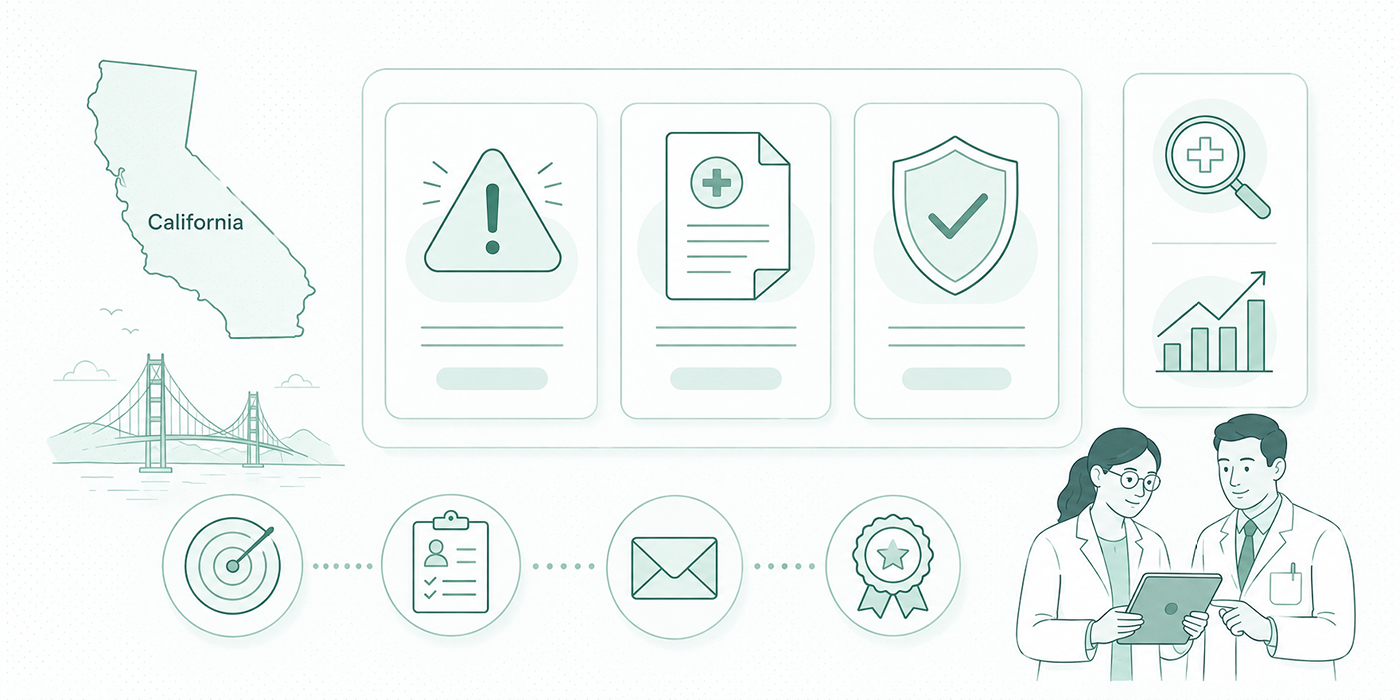
California offers one of America’s strongest environments for entering drug safety, with major biopharma, biotechnology, medical-device, research, and diagnostics clusters across the Bay Area, San Diego, Los Angeles, and Orange County. A credible pharmacovigilance certification can help you convert a healthcare or life-science background into practical competence in adverse-event reporting, clinical-trial safety monitoring, global regulatory compliance, and safety-database operations. Success depends on choosing skills-based training, producing defensible work samples, and targeting roles that match your existing clinical and scientific experience.
1. What Pharmacovigilance Certification Means for California Professionals
Pharmacovigilance covers the detection, assessment, understanding, documentation, communication, and prevention of adverse effects or other medicine-related problems. Daily work may involve evaluating individual case safety reports, classifying seriousness, checking expectedness, coding medical concepts, writing case narratives, following reporting clocks, investigating duplicate reports, supporting signal detection, and preparing aggregate safety documentation.
California treats pharmacovigilance as an employer-defined professional function rather than a separately licensed occupation. A pharmacist, physician, nurse, or other regulated healthcare professional may still need an active license for a position requiring clinical practice or medical sign-off. Drug Safety Associate, Pharmacovigilance Specialist, Safety Operations, and case-processing roles usually evaluate candidates through education, experience, regulatory knowledge, technical competence, and role-specific training. California’s licensing directories cover regulated healthcare professions, while pharmacovigilance training operates as an industry credential.
A certification should therefore prove that you can perform safety work with appropriate supervision. Recruiters gain little from a certificate that only confirms video attendance. They need evidence that you understand ethical patient-safety principles, can follow research-protocol requirements, recognize investigator safety responsibilities, protect clinical-trial data integrity, and escalate protocol deviations through controlled processes.
Certification versus a course-completion certificate
A completion certificate shows that you reached the end of a learning program. A stronger professional certification normally adds a defined curriculum, competency assessment, passing threshold, identity-verifiable credential, continuing updates, and practical work aligned with current industry expectations. When comparing clinical research certificate programs, examine assessment quality before comparing brand names.
Your curriculum should cover the ICH E2 guideline family, including expedited reporting, electronic ICSR transmission, post-approval case management, pharmacovigilance planning, aggregate reporting, and development safety reports. It should also connect those standards with worldwide regulatory guidelines, pharmacovigilance audit preparation, quality-management strategies, and usable clinical-trial templates. The ICH E2 framework includes E2A, E2B, E2C, E2D, E2E, and E2F standards addressing core clinical and postmarketing safety activities.
Why 2026 changes the skill threshold
The FDA is implementing its Adverse Event Monitoring System, or AEMS, to consolidate reporting across regulated product categories. Starting October 1, 2026, certain postmarketing ICSRs for human drugs, biologics, and applicable combination products submitted through ESG NextGen must use E2B(R3) standards. California candidates who understand structured safety data, transmission validation, case versioning, controlled terminology, and submission acknowledgements will carry a stronger technical story into interviews.
That transition makes database literacy increasingly valuable. A modern program should connect clinical-trial technology innovations with data review and verification, remote monitoring workflows, risk-based monitoring, and practical safety-system exercises. CCRPS currently describes a pharmacovigilance curriculum containing mock case entry, reporting-clock activities, validation checks, regulatory content, MedDRA coding, signal detection, and aggregate reporting exercises.
| Checkpoint | What You Must Be Able to Do | Evidence to Build | Career Risk When Missing |
|---|---|---|---|
| 1. AE, ADR and SAE classification | Separate adverse events, adverse reactions and serious outcomes using defensible definitions. | Create a classification worksheet using adverse-event reporting guidance. | Incorrect triage can delay escalation or create unnecessary expedited reports. |
| 2. Valid ICSR criteria | Confirm an identifiable patient, identifiable reporter, suspect product and reportable event. | Prepare ten intake scenarios showing valid, invalid and follow-up-pending cases. | Incomplete cases may enter the database without sufficient follow-up planning. |
| 3. Seriousness assessment | Evaluate death, life threat, hospitalization, disability, congenital anomaly and medically important events. | Write a seriousness justification for each outcome category. | Misclassification can compromise reporting timelines and compliance metrics. |
| 4. Severity versus seriousness | Explain why clinical intensity and regulatory seriousness answer different questions. | Create a five-case comparison chart. | Interviewers frequently use this distinction to expose superficial training. |
| 5. Expectedness and listedness | Compare the event against the applicable reference safety information. | Complete expectedness exercises using mock labels and investigator brochures. | Wrong reference documents can change reportability decisions. |
| 6. Causality assessment | Assess temporal association, dechallenge, rechallenge, alternatives and biological plausibility. | Draft structured causality rationales without overstating certainty. | Unsupported conclusions weaken medical review and signal evaluation. |
| 7. MedDRA coding | Select accurate lowest-level terms while preserving the reporter’s clinical meaning. | Build a coding log showing verbatim terms, coded terms and rationales. | Overcoding and undercoding distort retrieval, analysis and aggregate outputs. |
| 8. Product coding | Record suspect, interacting and concomitant products consistently. | Create a product-reconciliation exercise using controlled drug terminology. | Inconsistent product data undermines duplicate checks and signal analysis. |
| 9. Case intake | Capture reports from consumers, healthcare professionals, literature, partners and study sites. | Design an intake checklist aligned with safety-monitoring practices. | Poor intake causes missing dates, outcomes, dosages and reporter details. |
| 10. Triage and prioritization | Identify cases requiring immediate medical or regulatory escalation. | Develop a color-coded triage decision tree. | Backlogs can hide serious, unexpected or rapidly reportable events. |
| 11. Case narrative writing | Produce a chronological, medically coherent and objective account. | Write three narratives from disorganized source records. | Copied source text produces confusing narratives and weak quality scores. |
| 12. Follow-up strategy | Request missing information based on clinical and regulatory importance. | Create targeted follow-up questions for five incomplete cases. | Generic follow-up requests waste time and leave critical gaps unresolved. |
| 13. Duplicate detection | Compare patient, reporter, product, event, dates and source information. | Complete a duplicate-versus-linked-case assessment. | Duplicate reports can inflate apparent case volume and signal strength. |
| 14. Regulatory clocks | Identify clock-start dates and track due dates according to report type. | Build a reporting-clock worksheet with escalation triggers. | Late submissions create measurable compliance exposure. |
| 15. MedWatch literacy | Understand voluntary reporting routes and manufacturer reporting responsibilities. | Review FDA reporting forms and draft a mock submission package. | Form confusion can lead to incomplete or incorrectly routed reports. |
| 16. AEMS and E2B(R3) | Understand structured ICSR fields, acknowledgements, validation and transmission concepts. | Create a field-mapping exercise tied to clinical-trial technology. | Legacy-only knowledge will age quickly during the 2026 reporting transition. |
| 17. Clinical-trial safety | Connect AEs, SAEs, SUSARs, protocol reporting and investigator communication. | Build a study-safety workflow using investigator responsibilities. | Postmarketing knowledge alone leaves a major development-safety gap. |
| 18. SAE reconciliation | Compare clinical and safety databases and resolve discrepancies. | Prepare a mock reconciliation tracker using data-verification methods. | Unresolved mismatches weaken database locks and aggregate reports. |
| 19. DSUR fundamentals | Understand annual development-safety reporting and cumulative risk evaluation. | Draft a DSUR data-source and responsibility map. | Candidates may struggle to progress beyond transactional case processing. |
| 20. Postmarketing aggregate reports | Understand PSUR, PBRER and U.S. periodic reporting concepts. | Create an aggregate-report content comparison. | Weak aggregate knowledge restricts access to advanced safety roles. |
| 21. Signal management | Move from detection through validation, prioritization, assessment and recommendation. | Prepare a mock signal memo using case, literature and exposure evidence. | Counting reports without clinical context produces misleading conclusions. |
| 22. Literature surveillance | Screen publications, identify reportable cases and document search decisions. | Create search strings, screening logs and case-identification notes. | Poor documentation creates inspection and completeness concerns. |
| 23. Risk management | Connect identified risks, potential risks, missing information and minimization actions. | Build a one-page risk-management summary. | Safety conclusions remain disconnected from actionable patient protection. |
| 24. SOP compliance | Follow controlled procedures while identifying obsolete or conflicting instructions. | Complete an SOP-to-workflow mapping exercise using clinical-trial templates. | Experienced employers detect quickly when candidates have never worked from an SOP. |
| 25. Deviations and CAPA | Document the event, determine impact, investigate root cause and define preventive controls. | Prepare a CAPA using deviation and corrective-action guidance. | Weak root-cause analysis leads to repeated compliance failures. |
| 26. Quality control | Check medical coherence, coding, chronology, reportability and source consistency. | Design a case-QC checklist based on quality-management principles. | Fast processing without reliable QC produces costly rework. |
| 27. Inspection readiness | Retrieve evidence, explain decisions and demonstrate controlled processes. | Conduct a mock review using PV audit techniques. | Untraceable decisions become findings even when the final outcome appears reasonable. |
| 28. Vendor oversight | Track agreements, intake channels, exchange timelines, reconciliation and performance indicators. | Create a vendor scorecard linked to sponsor oversight duties. | Outsourcing tasks never transfers the sponsor’s accountability. |
| 29. Cross-functional communication | Communicate clearly with clinical operations, medical affairs, regulatory, quality and data teams. | Prepare escalation emails using clinical communication strategies. | Ambiguous escalation language delays decisions and damages trust. |
| 30. California market positioning | Match your skills to biopharma, biotech, medtech, CRO, academic and remote safety employers. | Build a target list using the clinical-research career map. | Broad applications produce weak resumes and low interview conversion. |
2. How to Earn a Pharmacovigilance Certification in California Step by Step
Step 1: Confirm your entry route
California pharmacovigilance teams recruit from several backgrounds. Pharmacists bring medication knowledge, interaction awareness, and patient-counselling experience. Nurses and physicians contribute clinical assessment, medical terminology, and chronology interpretation. Clinical research coordinators understand source documentation, investigator communication, and site-monitoring processes. CRAs understand GCP monitoring techniques, risk-based monitoring, clinical data verification, and sponsor escalation.
Life-science graduates can enter through case-processing, safety operations, medical information, quality, and regulatory-support roles. Their main deficit is usually applied experience. A degree may establish scientific capacity while leaving major gaps in seriousness decisions, narrative writing, reporting clocks, database conventions, and inspection evidence. Review essential research-assistant training, trial-logistics responsibilities, research-protocol adherence, and clinical research ethics resources before deciding which skills require formal instruction.
Step 2: Audit job descriptions before selecting a program
Collect 20 current California or remote job descriptions using titles such as:
Drug Safety Associate
Pharmacovigilance Associate
Safety Operations Specialist
Clinical Safety Associate
Medical Information and Drug Safety Specialist
Safety Data Specialist
Pharmacovigilance Quality Specialist
Safety Scientist
Aggregate Reporting Associate
Device Vigilance Specialist
Product Safety Specialist
Regulatory Safety Associate
Create a spreadsheet containing required education, preferred experience, databases, therapeutic areas, reporting standards, coding terminology, writing responsibilities, and location expectations. Use the clinical research salary comparison tool to understand role levels, the career-opportunity map to expand your search, the professional-associations directory to find networking channels, and the online clinical research communities directory to study recurring employer expectations.
This audit prevents a costly mistake: buying a program because its landing page sounds advanced while its modules omit the skills appearing repeatedly in real vacancies. Your course-selection scorecard should come from employer requirements.
Step 3: Verify the curriculum against five competency domains
A California-ready pharmacovigilance curriculum should cover:
Regulatory foundations: FDA reporting, ICH E2 standards, clinical-development safety, postmarketing surveillance, global reporting differences, MedWatch, risk management, and IND/NDA submission fundamentals.
Case processing: Intake, validity, seriousness, expectedness, causality, coding, narratives, follow-up, duplicate detection, quality control, submissions, nullification, and case amendments.
Aggregate and signal work: DSURs, periodic reports, signal detection, signal validation, benefit-risk evaluation, literature surveillance, and risk-minimization planning.
Quality systems: SOPs, training records, deviations, root-cause analysis, CAPA, metrics, reconciliation, vendor oversight, audits, and inspections.
Technical workflows: Safety-database navigation, E2B(R3) concepts, controlled vocabularies, field validation, reporting clocks, data migration awareness, and systems used alongside clinical-trial technology platforms.
Use the GCP self-assessment tool, clinical start-up checklist, sponsor-responsibility guide, and safety-monitoring best practices to test whether the curriculum connects safety work to the wider trial environment.
Step 4: Inspect the assessment method
Ask how the provider determines competence. A single multiple-choice test may verify terminology recall while leaving practical ability untested. Stronger programs use case scenarios, narrative exercises, coding decisions, reporting-clock calculations, source-data review, aggregate-report assignments, signal exercises, and database simulations.
Before enrolling, request answers to these questions:
Will I process a mock ICSR from intake through quality review?
Will I write and receive feedback on a safety narrative?
Will I apply seriousness, expectedness, and causality criteria?
Will I learn MedDRA coding logic rather than memorize definitions?
Will I practice follow-up query development?
Will I study E2B(R3) and the FDA’s current reporting transition?
Will I prepare for pharmacovigilance audits and inspections?
Will I receive reusable tools from a clinical-trial template directory?
Can employers verify the certificate?
How often is regulatory content reviewed and updated?
A vague answer signals a weak program. Safety work depends on traceable decisions, so your training provider should explain its own learning controls clearly.
Step 5: Build your study calendar around output
Set a realistic weekly commitment. An employed professional may need eight to twelve focused hours each week, while a full-time learner can move faster. Divide study time into 40% instruction, 40% applied exercises, and 20% review, correction, and portfolio development.
Use free clinical research webinars to reinforce weak areas, patient-education resources to improve plain-language communication, ethical compliance materials to strengthen judgement, and global regulatory guidance to keep U.S. processes in international context.
Finish every study block with an artifact: a decision tree, narrative, coding log, follow-up questionnaire, reconciliation tracker, CAPA, inspection checklist, signal memo, or aggregate-report outline. This converts study hours into interview evidence.
Step 6: Pass the assessment and verify your credential
Complete every required module before attempting the final assessment. Review mistakes by competency rather than rereading the entire course. A missed reporting-clock question may indicate a timeline problem; a wrong seriousness answer may indicate a classification problem; an inaccurate code may indicate poor verbatim interpretation.
After passing, verify the certificate’s name, issue date, credential identifier, verification method, training hours, and accreditation language. Save the certificate, transcript, syllabus, assessment result, and selected work samples in a secure career folder. Keep confidential, patient-identifiable, employer-owned, and copyrighted source information out of your portfolio.
3. How to Turn the Certificate Into Proof of Job Readiness
Certification strengthens your profile when it changes what you can demonstrate. California employers have access to a deep talent pool, so a certificate listed beneath an unrelated degree rarely creates enough differentiation. Your application should show how training improved your ability to manage safety information, make controlled decisions, and communicate risk.
Build a six-piece pharmacovigilance portfolio
1. ICSR intake and triage packet: Include a fictional source report, validity assessment, seriousness decision, clock-start date, missing-information list, and escalation pathway. Align it with adverse-event reporting requirements and clinical safety oversight.
2. Case narrative: Convert scattered fictional records into a chronological narrative covering patient context, suspect product exposure, event onset, treatment, outcome, relevant tests, dechallenge, rechallenge, and confounders. Use objective language and preserve uncertainty.
3. Coding rationale log: Show the reported term, selected code, rejected alternatives, and rationale. This proves that you understand the relationship between verbatim information and structured analysis.
4. Follow-up questionnaire: Draft focused questions based on clinical importance. A rash case may require distribution, timing, treatment, photographs, rechallenge, allergies, concomitant products, and outcome. A hospitalization case may require admission dates, diagnosis, procedures, discharge status, and medical records.
5. Deviation and CAPA exercise: Document a fictional late submission, assess impact, identify root causes, define immediate correction, assign preventive actions, establish ownership, and specify effectiveness checks. Reference protocol-deviation controls, quality-management strategies, and project timeline management.
6. Signal-assessment brief: Combine fictional case patterns, product exposure, literature findings, labelled information, biological plausibility, confounders, and proposed next steps. The purpose is to demonstrate structured reasoning rather than prove causation.
Translate previous experience into safety language
A hospital pharmacist should describe medication reconciliation, adverse-reaction review, interaction assessment, clinical documentation, and escalation. A nurse can emphasize patient assessment, symptom chronology, seriousness indicators, medical-record review, and communication with providers. A CRC can highlight SAE collection, source-document review, investigator notification, sponsor communication, patient-retention work, and site-monitoring preparation.
A CRA can connect on-site and remote monitoring, data review and verification, investigator-meeting coordination, and risk-based monitoring to safety reconciliation, compliance escalation, and inspection readiness.
Recent graduates should avoid claiming experience they gained only through training. Use accurate language such as “completed simulated ICSR processing,” “developed a fictional case narrative,” or “applied seriousness and expectedness criteria in assessed exercises.” Honest specificity creates more trust than inflated titles.
Prepare for the interview tests that expose weak training
Expect practical questions:
What are the minimum elements of a valid ICSR?
How do seriousness and severity differ?
How would you determine the initial receipt date?
What makes an event medically important?
How would you handle conflicting source information?
What information would you request during follow-up?
How do you approach a possible duplicate?
What belongs in a strong case narrative?
How would you investigate a late submission?
How does E2B(R3) affect electronic safety reporting?
What distinguishes case processing from signal management?
How would you protect confidentiality while discussing cases?
Answer through a repeatable structure: identify the applicable requirement, state the evidence you would examine, explain your decision, document uncertainty, and describe the escalation route. This method reflects ethical safety conduct, data-integrity expectations, regulatory compliance, and sponsor oversight.
4. Where Pharmacovigilance Certification Can Lead in California
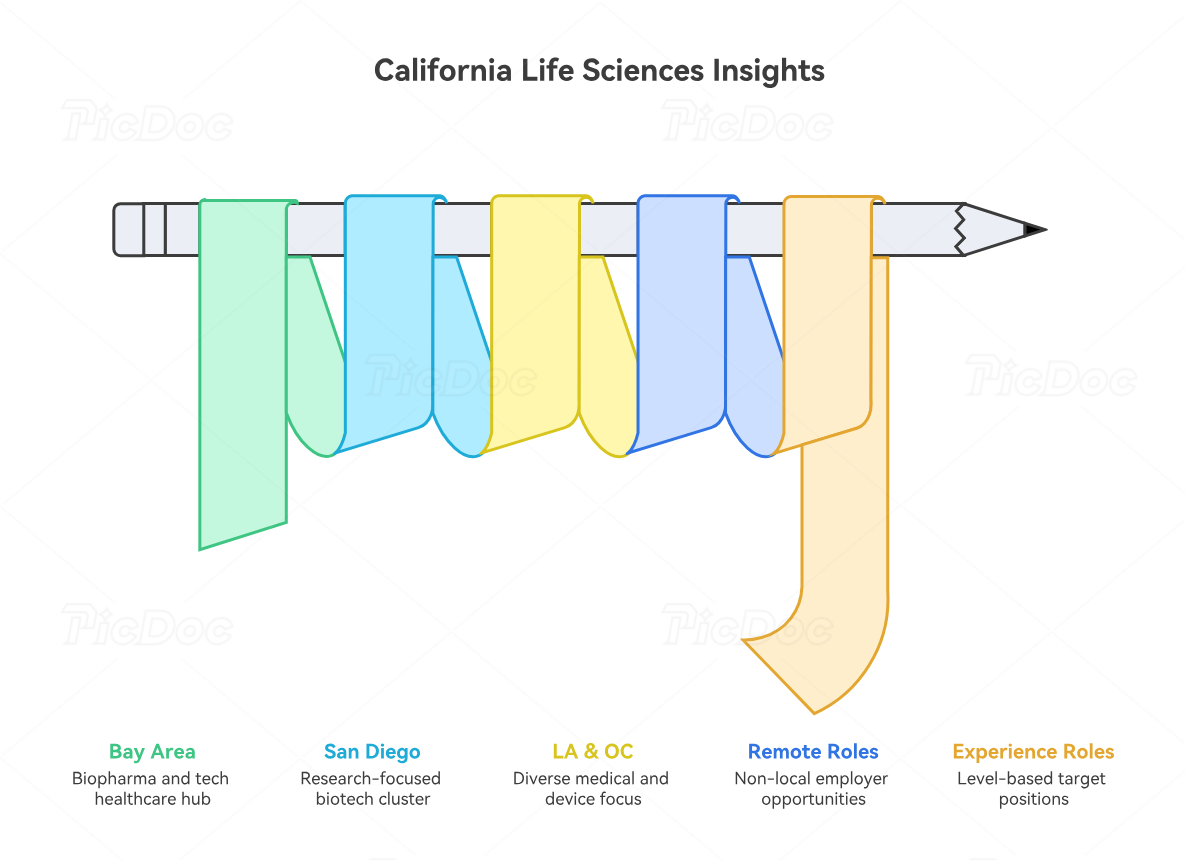
California’s life-sciences sector spans biopharma research and manufacturing, medical devices, testing laboratories, diagnostics, distribution, digital health, and contract research. California Life Sciences reported more than 3,600 companies and over 345,000 direct life-science jobs in its 2025 sector analysis, creating multiple routes into safety, quality, medical information, clinical operations, and regulatory work.
San Francisco Bay Area
The Bay Area provides concentration in established biopharma, venture-backed biotechnology, advanced therapeutics, platform companies, and technology-enabled healthcare. Relevant roles may include case management, safety operations, signal analytics, safety science, risk management, aggregate reporting, vendor oversight, and pharmacovigilance quality.
Candidates targeting this market should combine pharmacovigilance regulatory compliance with clinical-project quality management, trial-timeline control, clinical data integrity, and cross-functional clinical-team leadership. Startups often need professionals who can operate across safety, regulatory, quality, and clinical functions without losing procedural discipline.
San Diego
San Diego has a research-intensive biotechnology ecosystem with strong clinical-development activity. Early and mid-stage companies may need development-safety support, SAE reconciliation, investigator communication, medical review coordination, literature surveillance, and DSUR preparation.
Strengthen your profile through investigator-meeting strategy, medical-monitor safety oversight, research-protocol adherence, on-site and remote monitoring, and investigator-initiated trial management. California Life Sciences identifies San Diego as one of the state’s most research-intensive life-science clusters.
Los Angeles and Orange County
Los Angeles combines academic medicine, clinical research, biotech growth, healthcare systems, and emerging biopharma activity. Orange County has particular strength in medical devices, making device vigilance, complaint handling, product surveillance, combination-product safety, and postmarket quality valuable adjacent paths.
Professionals interested in these markets should study regulatory compliance for medical professionals, medical-monitor responsibilities, site-operations oversight, patient-safety communication, and global regulatory directories. California Life Sciences describes Los Angeles as a growing biopharma hub and Orange County as a major medical-device cluster.
CRO, consulting, vendor, and remote opportunities
Your employer does not need a California headquarters for you to build a California-based pharmacovigilance career. CROs, safety vendors, consulting companies, database providers, medical-information vendors, and global sponsors frequently organize teams across locations. Remote work expands access while increasing competition.
Demonstrate that you can operate inside controlled systems through sponsor oversight practices, audit-readiness techniques, clinical-trial data review, protocol-deviation handling, and project close-out procedures. Remote employers value documented independence, concise escalation, reliable turnaround, and secure handling of sensitive data.
Roles to target by experience level
Entry level: Drug Safety Assistant, Safety Operations Coordinator, Junior Case Processor, Pharmacovigilance Associate, Medical Information Associate, Safety Data Associate, and Product Complaint Associate.
Clinical or research background: Drug Safety Associate, Clinical Safety Specialist, SAE Reconciliation Specialist, Pharmacovigilance Compliance Associate, Medical Information and Safety Specialist, or Clinical Safety Coordinator.
Experienced healthcare professional: Safety Scientist, Medical Reviewer, Drug Safety Physician, Clinical Safety Lead, Medical Monitor, Risk Management Specialist, or Aggregate Reporting Scientist.
Experienced operations professional: Pharmacovigilance Project Manager, Vendor Oversight Lead, Safety Systems Lead, Inspection Readiness Manager, Quality and Compliance Manager, or Safety Operations Manager.
Use the clinical research career map, salary comparison tool, professional-associations directory, and clinical researcher communities to validate titles before tailoring applications.
5. A 90-Day California Pharmacovigilance Career Plan
Days 1–15: Establish your baseline
Complete a competency audit covering clinical terminology, ICSR validity, seriousness, expectedness, causality, MedDRA, narratives, follow-up, reporting clocks, aggregate reports, signals, CAPA, and safety systems. Use the interactive GCP assessment, adverse-event compliance guide, safety-monitoring guide, and global regulatory directory.
Choose two target role families. A life-science graduate might select case processing and safety operations. A CRC could target clinical safety and SAE reconciliation. A pharmacist may choose drug safety and medical information. Role concentration improves course selection, resume language, portfolio relevance, and networking quality.
Days 16–45: Complete applied certification work
Study consistently and produce one portfolio artifact each week. Pair regulatory lessons with actual outputs. After a seriousness lesson, classify fictional cases. After a narrative lesson, write a narrative. After a CAPA lesson, investigate a simulated late submission. After a signal lesson, prepare a concise assessment memo.
Supplement your course with free training resources, clinical ethics references, clinical-trial templates, and clinical technology reports. Track corrections because improvement evidence is more valuable than a folder of unreviewed first drafts.
Days 46–60: Rebuild your professional positioning
Create a master resume, then produce targeted versions for each role family. Lead with a professional summary stating your background, safety competencies, therapeutic exposure, and target function. Place certification near the top when it supplies missing relevance.
Replace passive phrases such as “responsible for patient records” with evidence-based language:
Reviewed clinical documentation for completeness, chronology, and escalation needs.
Reconciled medication, laboratory, and event information across multiple source records.
Communicated time-sensitive findings to investigators, sponsors, or clinical leaders.
Applied controlled procedures to document deviations and corrective actions.
Completed simulated ICSR assessment covering validity, seriousness, expectedness, causality, narrative development, and quality review.
Support these claims with knowledge of data-integrity responsibilities, clinical communication strategies, protocol adherence, and quality-management controls.
Days 61–75: Build relationships around specific work
Join selected professional associations, participate in credible clinical research communities, attend targeted training webinars, and follow California employers working in your therapeutic or product area.
Avoid messages asking strangers to “help you get into pharmacovigilance.” Ask focused questions showing preparation:
Which entry-level safety task requires the most coaching?
What errors appear most often in junior case narratives?
How is E2B(R3) changing training priorities?
Which experience transfers best from site operations?
How do medtech vigilance interviews differ from drug-safety interviews?
Focused questions generate useful conversations because the recipient can answer from experience.
Days 76–90: Run a controlled application campaign
Apply to a smaller set of well-matched vacancies rather than sending one resume everywhere. Score each role against education, years of experience, safety competencies, therapeutic knowledge, database requirements, location, and level. Prioritize roles reaching at least 70% alignment.
Track applications, referral sources, resume version, response date, interview stage, missing skills, and outcome. After every interview, update your answer bank. If several employers test narrative writing, build more narrative practice. If they ask about E2B(R3), deepen your technical preparation. If senior titles reject you before interviews, recalibrate toward associate-level roles.
Use clinical-trial timeline management, leadership and team-management principles, budget-management discipline, and project quality strategies to treat the search as a measurable project. The objective is a repeatable system that shows where conversion fails and what to correct.
6. Frequently Asked Questions About Pharmacovigilance Certification in California
-
California does not maintain a standalone occupational license specifically for pharmacovigilance professionals. Employers establish qualifications based on job scope, education, safety experience, regulatory knowledge, and technical competence. A role requiring pharmacist, physician, nursing, or other licensed clinical duties may separately require the applicable California professional license. The state’s licensing systems cover regulated professions, while drug-safety certification functions as professional training.
Review pharmacovigilance compliance requirements, adverse-event reporting rules, medical-monitor responsibilities, and investigator GCP duties to distinguish professional training from legally restricted clinical functions.
-
Yes. Online training can prepare California residents when the curriculum includes assessed practical work, current FDA and ICH content, instructor access, case-processing exercises, safety-system concepts, and a verifiable credential. Location adds little value when an in-person course relies mainly on lectures.
Compare the program against leading clinical research certificate options, free clinical research training, clinical compliance resources, and worldwide regulatory guidelines. Focus on demonstrated skills, assessment depth, and content currency.
-
Pharmacy, medicine, nursing, biomedical science, pharmacology, toxicology, public health, epidemiology, biotechnology, and clinical research can all support pharmacovigilance careers. The best route depends on the position. Medical-review and safety-physician roles commonly require advanced clinical qualifications, while case-processing and safety-operations roles may accept broader life-science or healthcare backgrounds.
Applicants should close role-specific gaps through research-assistant training, clinical data review, research-protocol adherence, and clinical-trial safety practices. A relevant degree opens the discussion; applied evidence determines how seriously the employer evaluates you.
-
A pharmacist license may be unnecessary for corporate drug-safety roles that contain no licensed pharmacy-practice duties. A vacancy requiring dispensing, patient-care services, formal pharmacist authority, or another regulated function can require active California licensure. Read the job description carefully and verify ambiguous requirements directly with the employer.
Pharmacists can strengthen their transition through adverse-event compliance knowledge, pharmacovigilance audit preparation, global regulatory management, and patient-safety principles. California requires licensure for pharmacist practice, while non-practice corporate roles are evaluated according to their actual duties.
-
Completion time depends on curriculum depth, prior knowledge, weekly study hours, assessment requirements, and practical assignments. A learner with clinical research experience may move through GCP and trial terminology quickly while needing more time for coding, aggregate reporting, or safety databases. A recent graduate may need additional practice interpreting medical records and writing narratives.
Judge the program by competencies and training hours rather than promises of rapid completion. Review clinical safety monitoring, GCP monitoring methods, data-integrity duties, and audit-readiness techniques to understand the breadth a credible curriculum must cover.
-
Certification improves knowledge, terminology, confidence, and resume relevance. Hiring still depends on degree alignment, transferable experience, application quality, practical evidence, interview performance, location, and competition. The strongest candidates combine certification with a fictional portfolio, targeted resume, role-specific networking, and disciplined applications.
Use the career-opportunity map, salary comparison tool, professional-associations directory, and clinical research communities to build a wider career strategy around the credential.
