
Ethical Conduct & Patient Safety in GCP: Key Principles
Ethical conduct in GCP begins with a strict promise: clinical trial participants must never become background details behind timelines, enrollment targets, data collection, or sponsor pressure. The current ICH E6(R3) GCP guideline frames clinical trials around protection of participant rights, safety, well-being, and reliable results, while FDA’s GCP resources connect trial conduct to human subject protection and regulatory compliance. For site teams, that means GCP compliance strategies, informed consent procedures, patient safety oversight, and clinical trial documentation have to work as one ethical system.
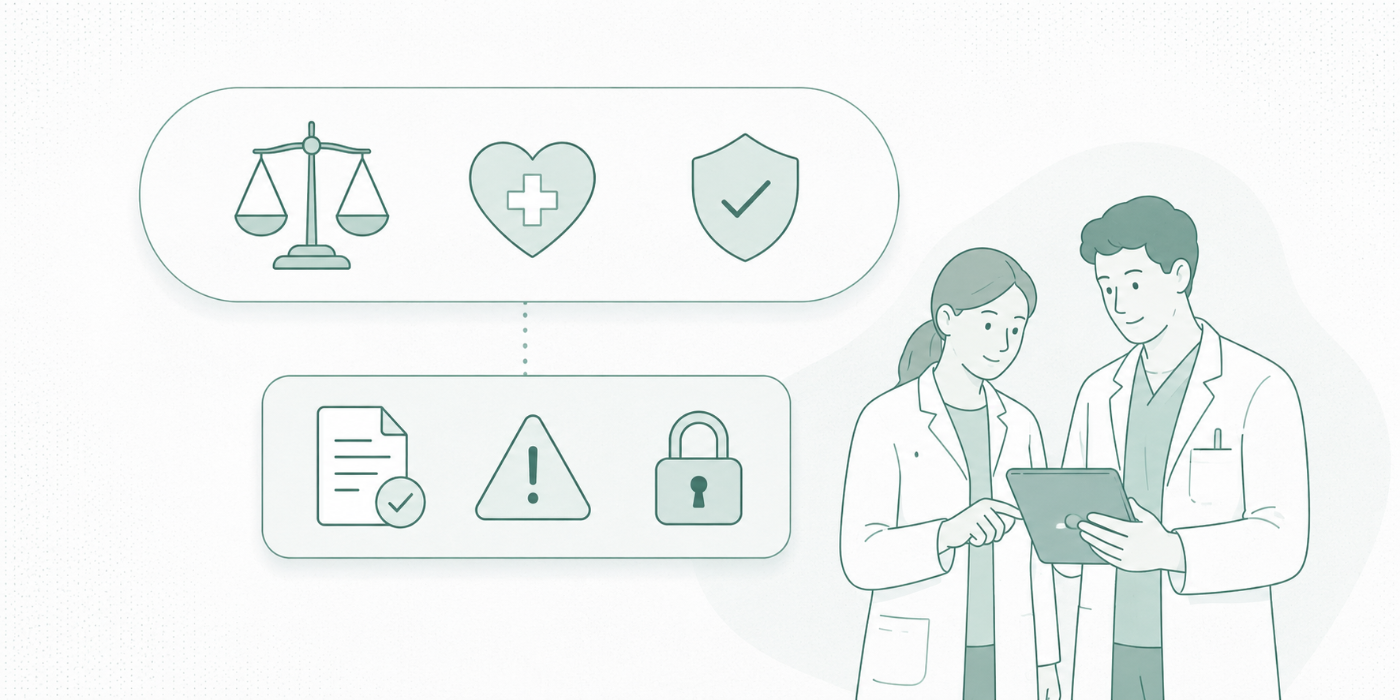
1. Ethical Conduct in GCP Starts Before the First Participant Signs Consent
Ethical conduct is usually discussed as a principle, but in real trials it shows up as decisions. Who gets approached for the study? How clearly are risks explained? How fast does the site respond to symptoms? How carefully does the PI review eligibility? How honestly does the team handle protocol deviations? These daily decisions decide whether a study is truly protective or merely well-documented. The Belmont Report identifies respect for persons, beneficence, and justice as core ethical principles for human research, and those same ideas shape the practical expectations behind clinical research ethics resources, regulatory and ethical PI responsibilities, research compliance mastery, and clinical trial sponsor responsibilities.
Respect for persons requires more than a signed informed consent form. It requires time to understand, freedom to decline, space to ask questions, and protection for participants who feel pressured by illness, family, financial stress, physician authority, or fear of losing care. A participant who signs because the coordinator rushed the visit has produced a document, but the ethical process is weak. That is why informed consent procedures, essential GCP training requirements, clinical research coordinator responsibilities, and PI site operations oversight need to be trained as participant-protection work.
Beneficence requires the team to minimize avoidable harm, identify risk early, and act quickly when the risk-benefit balance changes. That includes careful eligibility review, timely lab review, clean adverse event escalation, protocol-specific stopping rules, and meaningful PI oversight. It also means weak communication is a safety issue. A missed lab alert, vague symptom note, delayed SAE notification, or unresolved dose-hold question can harm a participant before anyone calls it a compliance problem. Strong adverse event reporting techniques, serious adverse event procedures, clinical trial safety monitoring, and medical monitor adverse event reviews convert ethical intent into real protection.
Justice requires fair participant selection, fair access, fair burden, and fair distribution of research benefits and risks. A study can be scientifically elegant and ethically fragile if recruitment overburdens vulnerable participants, excludes groups without justification, or uses convenience instead of fairness. Justice also applies to study operations: transportation burdens, visit windows, language access, digital tool access, and payment structures can quietly decide who can participate. Sites that understand justice connect effective patient retention strategies, clinical trial volunteer registries, virtual clinical trials, and patient education resources to ethical recruitment rather than just enrollment speed.
2. Informed Consent Must Be a Conversation, a Control, and a Continuing Duty
Informed consent is one of the clearest places where ethical conduct becomes visible. FDA’s informed consent guidance describes informed consent as a process involving information disclosure, understanding, voluntary agreement, and documentation, which is why weak consent cannot be rescued by a perfect signature line. Participants need to understand purpose, procedures, risks, benefits, alternatives, confidentiality, compensation, injury treatment, voluntary participation, withdrawal rights, and who to contact with questions. That is why informed consent GCP compliance, GCP compliance essentials for CRAs, CRC exam topics, and clinical research certification providers should teach consent as communication, assessment, and documentation.
The common failure is speed. A busy clinic turns consent into a packet walkthrough. The participant nods because the staff member seems confident. The family wants hope. The physician is respected. The visit schedule is tight. The coordinator feels pressure to enroll before the screening window closes. This is exactly where ethical risk hides. Consent should slow down at the points where misunderstanding is likely: randomization, placebo control, blinding, washout periods, invasive procedures, reproductive risks, genetic testing, data sharing, study injury coverage, and participant withdrawal. Teams should connect randomization techniques, placebo-controlled trials, blinding in clinical trials, and primary vs secondary endpoints to participant-facing explanations.
Re-consent is where many sites lose ethical discipline. A protocol amendment changes visit burden. A safety letter adds a new risk. A pregnancy precaution changes expectations. A study procedure is added. A remote tool begins collecting data differently. Each change can affect whether the participant still wants to continue. Filing the amendment, updating the binder, and training staff are only part of the work. The site also needs a re-consent tracker, a participant communication plan, and proof that affected participants received the updated information before relevant procedures. This protects clinical trial amendments, regulatory document management for CRCs, site monitoring visit preparation, and clinical trial auditing readiness.
3. Patient Safety Requires Active Surveillance, Not Passive Reporting
Patient safety in GCP is an active process. The site has to look for risk, ask better questions, review data quickly, and escalate concerns before the participant is harmed. A participant may minimize symptoms because they want to stay in the trial. A caregiver may mention a fall casually at checkout. A lab alert may sit unread because the PI is in clinic. An emergency admission may appear in the EHR before the sponsor knows anything happened. Ethical sites build systems that catch these signals. That includes clinical trial safety monitoring, drug safety reporting timelines, pharmacovigilance essentials, and aggregate reports in pharmacovigilance.
Safety surveillance should cover scheduled visits, unscheduled calls, lab review, imaging review, dosing visits, diary review, wearable alerts, home health reports, hospitalization checks, and concomitant medication changes. The site should train staff to ask precise questions: When did it start? Is it still happening? Did you seek care? Were you hospitalized? Did you miss any study drug? Did any medication change? Did the symptom affect normal activity? Has this happened before? Those questions support case report form best practices, clinical trial data review, EDC and data management workflows, and data integrity responsibilities for PIs.
The PI’s role is central because patient safety depends on qualified medical judgment. Coordinators can collect facts, organize records, identify missing data, and prepare forms, but the investigator must oversee eligibility, clinical significance, causality, dose modification, and participant continuation when medical judgment is needed. Sites get into trouble when the PI becomes a signature at the end of a workflow instead of a safety decision-maker inside the workflow. Clear PI involvement strengthens adverse event handling guidelines, patient safety oversight for PIs, clinical trial site operations oversight, and budget management essentials for principal investigators, because under-resourced safety oversight eventually becomes both a medical and operational failure.
Where is your biggest ethical conduct risk right now?
Choose one. Your answer points to the process most likely to create participant harm or inspection findings.
4. Protocol Compliance Is a Patient Safety Requirement, Not Administrative Perfection
Protocol compliance protects participants because the protocol defines who should be enrolled, what procedures are required, when assessments happen, what safety thresholds matter, and when intervention should stop or change. Deviations are ethically important because they can expose participants to unnecessary risk, weaken safety interpretation, or make trial results unreliable. A missed pregnancy test, delayed lab, wrong dose, expired consent version, out-of-window safety visit, or undocumented eligibility exception can become a participant-protection problem fast. Strong teams link protocol deviation corrective actions, handling protocol deviations for CRCs, clinical trial protocol management, and quality management strategies to safety review.
Eligibility is one of the highest-risk ethical control points. Inclusion and exclusion criteria are safety filters and scientific filters. When sites stretch criteria to help a participant access treatment, rescue enrollment numbers, or avoid screen failure, they can expose the participant to foreseeable risk and damage data credibility. A borderline lab value, unstable comorbidity, prohibited medication, recent procedure, psychiatric risk, reproductive risk, or washout violation should trigger documented investigator review. This discipline connects clinical trial data integrity, principal investigator site oversight, CRA monitoring techniques, and clinical trial sponsor roles.
Documentation is also ethical because undocumented care becomes unverifiable care. Source records should show the decision pathway, participant impact, PI involvement, timing, and follow-up. A note that says “participant okay” after a safety call is weak. A note that captures symptom status, severity, action taken, PI notification, participant instructions, and follow-up plan protects the participant and the study. Inspection readiness grows from this daily clarity. It supports managing study documentation, regulatory document management, remote and on-site monitoring visits, and handling clinical trial audits.

5. How Sites Build an Ethical, Inspection-Ready Safety Culture
An ethical safety culture is built through systems that make the right action easy under pressure. Staff should know exactly when to escalate symptoms, who reviews safety labs, who handles urgent calls after hours, who confirms eligibility, who performs consent, who updates re-consent trackers, who reviews deviations for participant impact, and who communicates with the sponsor. ICH E6(R3) emphasizes a proportionate, risk-based approach to quality management and quality by design, which means trial teams should focus controls on factors that meaningfully affect participant rights, safety, well-being, and reliable results. That principle should shape interactive GCP self-assessment, clinical trial start-up checklists, clinical trial resource allocation, and vendor management in clinical trials.
Training should use real scenarios rather than definition slides alone. Give staff a participant who reports chest pain by voicemail. Give them a safety letter that changes risk language. Give them a family member asking whether the participant should stop the study drug. Give them an out-of-window visit with a missed safety lab. Give them a participant who wants to withdraw but will allow follow-up contact. Each scenario should force documentation, escalation, consent, safety, and ethics decisions. This prepares teams better than generic training and strengthens GCP training requirements, CRC practice test preparation, CRA certification mistake prevention, and continuing education resources.
The best ethical systems also measure weak signals. Track late consent corrections, open safety follow-ups, overdue PI reviews, protocol deviations with safety impact, missed re-consents, repeated participant complaints, late AE entries, lab review delays, and monitoring findings tied to participant protection. These metrics show where ethics is weakening before harm becomes visible. A site that waits for a major deviation or inspection finding is already behind. Trend-based review supports clinical trial auditing readiness, pharmacovigilance audit techniques, leadership and team management, and project close-out procedures.
Ethical conduct also depends on communication. Participants should know who to call, what symptoms matter, what to do in an emergency, how withdrawal works, and when new information changes their choices. Investigators should know which events are pending review. Sponsors should receive timely safety information. Monitors should see accurate source-to-EDC alignment. IRBs/IECs should receive required reports and amendments. This level of communication ties together stakeholder communication strategies, investigator meetings, KOL engagement techniques, and scientific communication best practices.
6. FAQs About Ethical Conduct and Patient Safety in GCP
-
The core ethical principles behind GCP are participant respect, participant protection, fair selection, scientifically sound design, qualified oversight, informed consent, confidentiality, risk management, accurate documentation, and reliable reporting. The Belmont Report expresses the ethical foundation through respect for persons, beneficence, and justice, while ICH GCP applies those ideas to trial design and conduct. Teams should connect these principles to GCP compliance strategies, clinical research ethics resources, PI ethical responsibilities, and research assistant compliance skills.
-
Informed consent continues because participant understanding and trial risk can change after enrollment. Amendments, new safety findings, new procedures, updated reproductive precautions, changed visit schedules, or new data-sharing terms can affect a participant’s decision to remain in the trial. A strong site tracks re-consent needs, explains changes clearly, documents participant questions, and confirms the correct consent version before affected procedures. This is essential for informed consent procedures, clinical trial amendments, regulatory document management, and site monitoring readiness.
-
Protocol compliance protects participants because the protocol defines safety assessments, eligibility rules, dosing instructions, stopping criteria, visit timing, prohibited medications, and reporting pathways. A protocol deviation can affect safety even when it looks administrative. A missed lab, wrong visit window, incorrect consent version, or delayed dose hold can change participant risk. Sites should review deviations for participant impact, reportability, root cause, and CAPA needs. This makes protocol deviation corrective actions, clinical trial protocol management, quality management strategies, and CRA monitoring skills part of patient protection.
-
The PI is responsible for medical oversight, participant safety, qualified delegation, eligibility review, informed consent oversight, AE and SAE review, causality assessment, protocol compliance, and protection of participant rights. The PI can delegate tasks, but oversight remains active and documented. Strong PI involvement appears in real-time safety decisions, source notes, delegation logs, training records, and timely review of clinical data. This aligns with patient safety oversight for PIs, adverse event handling guidelines, clinical trial data integrity, and site operations oversight.
-
Sites prevent ethical conduct problems by building routine controls: consent version checks, teach-back documentation, eligibility review templates, AE prompts, SAE escalation pathways, lab review trackers, deviation safety-impact assessments, re-consent logs, PI oversight evidence, and CAPA trend review. Audits often expose weak systems that were visible earlier through small repeated issues. Teams should use GCP self-assessment tools, audit preparation essentials, clinical trial inspection readiness, and quality management strategies as daily safeguards.
-
An ethically strong trial protects participant dignity, autonomy, safety, privacy, and fairness while producing reliable data that can answer a meaningful scientific question. It uses clear consent, fair recruitment, qualified staff, active safety surveillance, accurate documentation, transparent communication, timely reporting, and proportionate quality controls. The strongest ethical cultures treat every delay, vague note, missed question, or unresolved symptom as a participant-protection signal. That mindset strengthens clinical trial safety monitoring, clinical trial documentation, stakeholder communication, and clinical research continuing education.
