
Clinical Trial Site Operations Oversight: PI Mastery Techniques
Principal Investigator oversight fails fastest when “site operations” gets treated like background administration instead of active clinical control. A PI must know whether consent is clean, delegation matches competence, protocol-required assessments are done correctly, safety events are reviewed on time, source supports EDC entries, investigational product is controlled, and site staff are trained before risk reaches patients or data. Strong oversight connects PI regulatory responsibilities, patient safety oversight, GCP training, informed consent procedures, and clinical trial documentation into one disciplined site system.
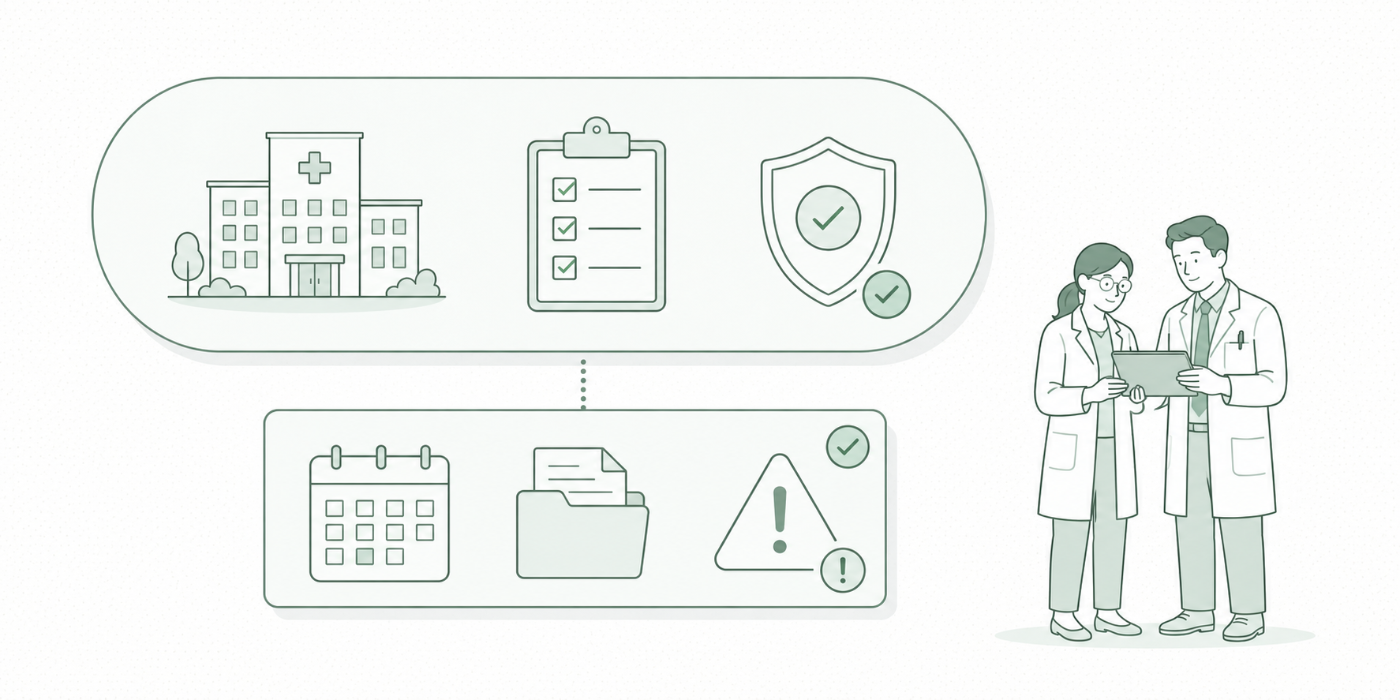
1. What Clinical Trial Site Operations Oversight Means for Principal Investigators
Clinical trial site operations oversight is the PI’s ongoing control of the people, processes, records, decisions, and clinical judgments that determine whether a site protects participants and produces reliable data. A PI may delegate tasks, yet the PI remains responsible for confirming that delegated work is appropriate, trained, supervised, documented, and corrected when quality starts drifting. That makes oversight much broader than signing forms. It requires active command of clinical trial protocol management, CRC responsibilities, GCP compliance strategies, and clinical trial auditing.
The painful truth is that many PI oversight failures appear small at first. A coordinator misses a consent version update. A sub-investigator completes a safety review late. A lab kit shipment is delayed. A visit window is stretched. An eligibility note lacks the clinical reasoning behind a decision. A monitor asks for source clarification, and the site replies with a quick explanation that never becomes a durable record. These are the moments where protocol deviations, adverse event handling, site monitoring visit findings, and regulatory document management begin to expose weak oversight.
A strong PI operates with a dashboard mentality. The PI knows which participants are in screening, which are nearing critical visits, which open queries affect endpoint or safety data, which staff members need retraining, which deviations show a pattern, which investigational product records need review, and which sponsor or IRB communications require action. The PI’s goal is early visibility, rapid correction, and traceable clinical reasoning. That leadership standard strengthens clinical research coordinator workflows, sub-investigator responsibilities, clinical trial data review, and inspection readiness.
| Oversight Area | What the PI Must Control | Failure Mode at the Site | Mastery Technique |
|---|---|---|---|
| Feasibility realism | Confirm patient access, staffing, visit capacity, equipment, and competing workload before activation. | The site accepts enrollment targets it cannot safely support. | Use feasibility review tied to resource allocation. |
| Delegation control | Match every task to training, licensure, competence, dates, and PI approval. | Staff perform trial tasks before documented authorization. | Review delegation weekly against GCP training. |
| Protocol command | Know eligibility, visit windows, prohibited medications, safety triggers, endpoints, and stopping rules. | Protocol details live with one coordinator instead of the investigator team. | Run short protocol huddles using protocol management. |
| Consent quality | Confirm correct version, timing, signatures, comprehension, re-consent, and source notes. | Consent looks complete until version history is inspected. | Audit consent through informed consent procedures. |
| Eligibility decisions | Document clinical reasoning behind inclusion, exclusion, borderline labs, and medical history interpretation. | Eligibility is treated as checkbox work with thin rationale. | Create PI eligibility notes before randomization. |
| Subject visit control | Track visit windows, required assessments, missed procedures, and rescheduling risk. | Visit pressure leads to missed protocol-required assessments. | Use visit forecasting aligned with patient retention. |
| Source documentation | Ensure source captures who did what, when, why, and what clinical judgment was made. | EDC values cannot be reconstructed from source. | Train staff through study documentation. |
| CRF accuracy | Confirm EDC entries reflect source, protocol definitions, visit timing, and safety decisions. | Queries repeat because staff fix fields without fixing source habits. | Review patterns using CRF best practices. |
| Safety review | Review AEs, SAEs, causality, severity, expectedness, follow-up, and medical action promptly. | Safety data entry happens before real medical oversight. | Use PI review standards from AE handling. |
| SAE escalation | Confirm urgent reporting timelines, narratives, follow-up, source support, and sponsor communication. | Initial SAE reports lack enough detail for medical review. | Build SAE pathways from SAE procedures. |
| Protocol deviations | Identify, assess, categorize, report, correct, and prevent repeat deviations. | Repeated errors are logged separately with no trend response. | Trend deviations using deviation handling. |
| IP accountability | Control receipt, storage, dispensing, returns, destruction, temperature excursions, and reconciliation. | Pharmacy records and visit records do not align. | Schedule PI/pharmacy accountability checks. |
| Randomization control | Protect randomization timing, eligibility confirmation, assignment documentation, and emergency unblinding rules. | Randomization occurs before final eligibility evidence is complete. | Use controls from randomization techniques. |
| Blinding integrity | Prevent accidental unblinding and document potential unblinding events immediately. | Staff discuss clues casually without escalation. | Reinforce blinding controls. |
| Endpoint reliability | Ensure endpoint assessments are performed by trained staff using protocol-defined methods. | Endpoint data becomes vulnerable because assessment technique varies. | Anchor reviews to endpoint definitions. |
| Lab processes | Verify collection timing, processing, shipment, local reference ranges, abnormal result review, and sample tracking. | Lab deviations appear after endpoint or safety review. | Use controls from lab best practices. |
| Equipment readiness | Confirm calibration, maintenance, access, training, backups, and documentation. | Assessments are performed with expired calibration evidence. | Add equipment checks to visit readiness. |
| Staff turnover | Update delegation, training, access, handoffs, and workload coverage when people leave or join. | New staff inherit tasks without complete protocol context. | Use role-based onboarding from CRC core topics. |
| Monitoring findings | Review open action items, root causes, PI-required responses, and repeat findings. | Findings close administratively while behavior stays unchanged. | Hold review sessions after monitoring visits. |
| Regulatory binder | Maintain approvals, correspondence, logs, training, safety letters, delegation, and essential documents. | Documents exist somewhere, but retrieval is slow during audit. | Use regulatory document controls. |
| IRB/EC communication | Track submissions, approvals, continuing review, safety reports, deviations, and closure letters. | IRB evidence is scattered across email, portal screenshots, and binder notes. | Centralize submission evidence. |
| Participant retention | Protect follow-up, visit reminders, transportation planning, missed visit recovery, and withdrawal documentation. | Patients drift away before critical endpoint visits. | Use site tactics from retention strategies. |
| Data query control | Review query volume, aging, root causes, endpoint relevance, and staff response quality. | Queries close and reopen because the source problem remains. | Use data review techniques. |
| Vendor touchpoints | Know when labs, imaging, eCOA, IRT, courier, or other vendors affect site performance. | The site blames vendor delays without documented escalation. | Escalate through vendor management. |
| Budget pressure | Watch whether unpaid invoices, staffing constraints, or pass-through delays affect quality. | Financial friction slows document cleanup and participant support. | Coordinate with trial budget management. |
| Close-out readiness | Confirm data, safety, IP, documents, payments, and PI responsibilities before site close-out. | Close-out visit reveals avoidable unresolved items. | Prepare through audit readiness. |
| CAPA ownership | Assign root cause, corrective action, preventive action, evidence, and effectiveness checks. | CAPA becomes paperwork instead of behavior change. | Tie CAPA to deviation trends. |
| PI evidence of oversight | Maintain logs, meeting notes, review signatures, escalation records, and medical decision notes. | The PI did the work, yet the file does not prove it. | Create recurring oversight records linked to PI career standards. |
| Inspection response | Prepare staff to explain processes, locate records, and describe PI supervision accurately. | Staff panic because oversight exists informally. | Practice with inspection readiness techniques. |
| End-of-study transition | Confirm final visits, safety follow-up, record retention, system access, and archive instructions. | Post-study obligations are unclear after staff move to other trials. | Use a final oversight checklist. |
2. Building a PI Oversight System That Works Before Problems Escalate
A PI oversight system should begin with clear governance. Every site needs a living delegation log, role-based training matrix, visit readiness checklist, safety review process, protocol deviation pathway, data query review cadence, document quality plan, and escalation structure. The PI should know which duties require direct medical judgment and which duties can be delegated with supervision. This governance model protects the site from “everyone assumed someone else checked it” failures. It also aligns PI regulatory duties, GCP compliance essentials, clinical trial sponsor responsibilities, and clinical research ethics.
The strongest sites use short, frequent oversight rhythms. A weekly PI huddle can review enrollment, active subjects, upcoming critical visits, open AEs, open queries, deviations, IP issues, consent changes, lab alerts, monitoring findings, and staffing changes. This does more than create status awareness. It gives the PI a documented pattern of supervision and shows that site leadership identifies risk before external monitors force action. The huddle should create action items with owners and dates, then file the record in a location that supports future clinical trial documentation, audit preparation, site monitoring visits, and stakeholder communication.
Oversight also requires risk-based attention. The PI should spend more time on activities that can harm participants, compromise endpoints, or weaken the final study record. These include consent timing, eligibility review, investigational product control, serious adverse events, endpoint assessments, protocol deviations, and data corrections that alter safety or efficacy interpretation. Low-risk administrative items still need control, yet they should never steal attention from safety and data integrity. A risk-based oversight calendar connects risk-based monitoring, primary and secondary endpoints, patient safety oversight, and clinical trial data verification.
The PI should also insist on clean handoffs. Site operations break down when a coordinator leaves, a sub-investigator joins late, pharmacy staff rotate, or a study nurse covers visits without complete context. Handoffs need written summaries: active participants, pending safety items, open queries, upcoming visits, protocol traps, vendor issues, unresolved monitoring findings, and document gaps. This prevents the silent quality loss that happens during staff turnover. Strong handoffs strengthen CRC career pathway skills, lead CRC responsibilities, sub-investigator oversight, and clinical trial assistant support.
3. Mastery Techniques for Consent, Delegation, Protocol Compliance, and Safety
Consent oversight deserves more PI attention than many sites give it. Consent errors are painful because they can affect participant rights, enrollment validity, and inspection confidence. The PI should verify that the current IRB/EC-approved consent version is used, the subject has time to ask questions, signatures and dates are correct, re-consent is completed when required, and the source note shows comprehension rather than a mechanical signature event. Consent should be reviewed through informed consent procedures, GCP compliance, regulatory ethics, and clinical research ethics resources.
Delegation oversight requires a competence mindset. A signature on a delegation log means very little when the person lacks protocol understanding, clinical skill, or system access training. The PI should review whether each delegated task is appropriate for the staff member’s license, role, experience, training date, and supervision level. This matters most for eligibility assessment, AE assessment, IP-related tasks, endpoint procedures, source documentation, and participant communication. Strong delegation discipline connects essential GCP training, CRC responsibilities, clinical research assistant skills, and principal investigator career expectations.
Protocol compliance should be managed through prevention, detection, and correction. Prevention means training staff on high-risk protocol sections before visits occur. Detection means reviewing visit schedules, lab alerts, query patterns, missed procedures, and monitoring feedback. Correction means documenting deviations, assessing impact, notifying required parties, retraining staff, and preventing recurrence. The PI should pay special attention to eligibility criteria, prohibited medications, dose modifications, visit windows, endpoint assessments, and discontinuation rules. These controls draw directly from clinical trial protocol management, clinical trial amendments, protocol deviation corrective actions, and handling protocol deviations for CRCs.
Safety oversight is where PI leadership becomes most visible. The PI should review every AE and SAE for seriousness, severity, causality, expectedness, action taken, outcome, follow-up, and reporting obligation. The site should document PI medical judgment clearly enough that an external reviewer can understand what was known, when it was known, what action was taken, and why. Weak safety oversight often appears as late reviews, thin narratives, missing follow-up, inconsistent source and EDC entries, or unclear causality reasoning. Strong safety control uses AE handling guidelines, SAE reporting procedures, drug safety reporting timelines, and clinical trial safety monitoring.
What is the biggest PI oversight pressure point at your trial site right now?
Choose one. Your answer shows where site leadership should tighten controls first.
4. Data Integrity, Source Quality, IP Accountability, and Vendor Touchpoints
PI oversight of data integrity starts with source quality. Source should tell the clinical story clearly: what happened, who assessed it, what was decided, what protocol requirement was met, and what follow-up is needed. Thin source creates data fragility because monitors, data managers, medical reviewers, statisticians, and inspectors depend on source to reconstruct trial conduct. The PI should review patterns in open queries, missing fields, endpoint forms, safety fields, eligibility notes, and corrections. This protects CRF quality, clinical trial data review, biostatistics interpretation, and data management career standards.
The PI should also understand how endpoint data is generated at the site. Endpoint assessments need trained assessors, correct timing, protocol-defined methods, equipment readiness, source support, and clean EDC entry. The same applies to labs, imaging, ECGs, patient-reported outcomes, and central vendor reports. A site can lose data credibility when endpoint assessment technique varies between staff members or when vendor outputs are filed without PI awareness. Endpoint oversight links primary vs secondary endpoints, laboratory best practices, data monitoring committee roles, and medical monitor adverse event review.
Investigational product accountability is another area where PI oversight must be precise. The PI should know how IP is received, stored, dispensed, returned, destroyed, reconciled, and protected from temperature excursions or access problems. The PI should also ensure that dose changes, interruptions, compliance checks, and accountability records match the protocol and participant source. IP issues often reveal broader site weaknesses: pharmacy communication gaps, training gaps, visit scheduling pressure, or incomplete documentation habits. Strong IP oversight supports GCP compliance, protocol compliance, patient safety oversight, and audit preparation.
Vendor touchpoints require active awareness even when the sponsor contracts the vendor. A central lab delay, imaging upload failure, eCOA device problem, IRT access issue, courier disruption, translation delay, or EDC outage can create site-level risk. The PI should make sure staff document vendor issues, notify the sponsor, protect participants, and assess protocol impact. Vendor problems become site problems when they affect safety, data, visits, or compliance. The PI should connect vendor issue control with vendor management in clinical trials, clinical trial technology adoption, remote and on-site monitoring, and stakeholder communication.

5. Inspection-Ready PI Oversight: How to Prove Control When It Matters
Inspection-ready oversight requires evidence. A PI can be deeply involved and still appear absent when the file lacks meeting notes, review signatures, decision logs, escalation records, safety assessments, training records, and follow-up documentation. Inspectors and auditors need proof that the PI knew the study, supervised staff, reviewed safety, protected subjects, maintained protocol compliance, and corrected problems. Evidence should be created during normal operations, rather than assembled in panic after an audit notice. This discipline supports clinical trial audit readiness, handling clinical trial audits, clinical compliance officer skills, and quality assurance career standards.
The PI should maintain an oversight file or structured section within the site records. This can include PI meeting logs, safety review logs, delegation review notes, training review summaries, protocol deviation trend reviews, monitoring finding responses, issue escalation records, eligibility review evidence, and CAPA effectiveness checks. Each record should be short, specific, dated, and tied to action. A vague note saying “study discussed” carries little value. A note identifying open safety follow-up, two endpoint-related queries, one deviation trend, and a retraining action creates defensible evidence. This supports regulatory document control, study documentation mastery, CRA documentation techniques, and GCP self-assessment.
CAPA is where weak PI oversight often becomes obvious. A site can log deviations and still fail inspection if the same issue keeps repeating. The PI should insist on root-cause analysis that goes deeper than “staff error.” Staff error may be the surface issue, while the real cause may be unclear workflow, poor training, visit overload, confusing source templates, outdated checklists, or missing escalation thresholds. Effective CAPA should define the cause, correction, prevention, owner, due date, evidence, and effectiveness check. That approach strengthens protocol deviation corrective actions, handling deviations as a CRC, risk-based monitoring strategy, and clinical trial quality management.
The PI also needs to prepare staff for inspection interviews. Staff should understand their roles, explain workflows accurately, locate records quickly, and avoid guessing when they are unsure. The goal is calm accuracy. Coordinators, nurses, pharmacy staff, sub-investigators, and data entry personnel should know how their work supports participant safety and data integrity. A PI-led mock inspection can reveal whether the site’s process exists in practice or only in binders. That readiness mindset builds from clinical research coordinator certification topics, CRA monitoring expectations, clinical regulatory specialist skills, and clinical quality auditor expectations.
6. FAQs: Clinical Trial Site Operations Oversight for PIs
-
Q1. What is the PI’s biggest responsibility in site operations oversight?
The PI’s biggest responsibility is active control over participant safety, protocol compliance, staff delegation, data integrity, and documented decision-making. The PI should know whether the site is enrolling appropriate participants, obtaining valid consent, reviewing safety events promptly, completing protocol-required procedures, and correcting deviations before they repeat. This role connects PI regulatory responsibilities, patient safety oversight, GCP training, and clinical trial protocol management.
-
Q2. How often should a PI review clinical trial site operations?
A PI should review high-risk site operations continuously through short, recurring oversight touchpoints. Weekly huddles work well for active trials, especially when enrollment, safety events, queries, deviations, or monitoring findings are moving quickly. Critical items such as SAEs, eligibility decisions, consent issues, and endpoint assessments need review based on protocol urgency and reporting timelines. Strong review cadence supports adverse event handling, SAE reporting, site monitoring, and data review.
-
Useful PI oversight evidence includes delegation logs, training records, PI meeting notes, safety review documentation, eligibility review notes, consent review evidence, monitoring response records, deviation trend reviews, CAPA documentation, IP accountability review, and site staff communication records. The strongest documents show what the PI reviewed, what risk was found, what action was assigned, and how completion was confirmed. This evidence should align with regulatory document management, clinical trial documentation, study documentation skills, and audit preparation.
-
A PI can prevent repeat deviations by reviewing trends, identifying root causes, retraining staff, changing workflows, updating checklists, and checking whether the corrective action actually works. Repeated deviations usually signal system weakness: rushed visits, unclear ownership, insufficient training, confusing source templates, or poor scheduling controls. The PI should move beyond one-time reminders and create durable prevention. This approach reflects protocol deviation corrective actions, handling protocol deviations, risk-based monitoring, and quality management strategies.
-
Before signing off, the PI should review the participant’s clinical status, event description, onset and resolution dates, seriousness, severity, causality, expectedness, action taken, outcome, relevant labs or procedures, concomitant medications, follow-up needs, and reporting obligations. The record should show the PI’s medical judgment clearly. Safety review quality supports adverse event handling, drug safety reporting timelines, clinical trial safety monitoring, and medical monitor reviews.
-
PI oversight improves data integrity by ensuring source documentation is complete, clinical decisions are explained, endpoint assessments are performed correctly, safety events are reviewed accurately, and EDC entries reflect the clinical record. The PI should watch query trends, source gaps, endpoint-critical fields, and repeat corrections. This gives the site a cleaner data trail from participant visit to final analysis. Strong data oversight connects CRF best practices, clinical trial data review, endpoint clarity, and biostatistics in trials.
