
The Ultimate Guide to Getting Your Good Clinical Practice (ICH-GCP) Certification in Arizona: Everything You Need to Know in 2026-27
Getting ICH-GCP certified in Arizona can open doors across clinical research sites, hospitals, universities, CROs, sponsors, and investigator-led studies. The real value is practical: you learn how trials protect participants, produce credible data, document decisions, and survive audit pressure. In 2026, that matters even more because ICH E6(R3) was adopted as a modernized Good Clinical Practice guideline, with stronger emphasis on quality, proportionate approaches, and evolving trial methods.
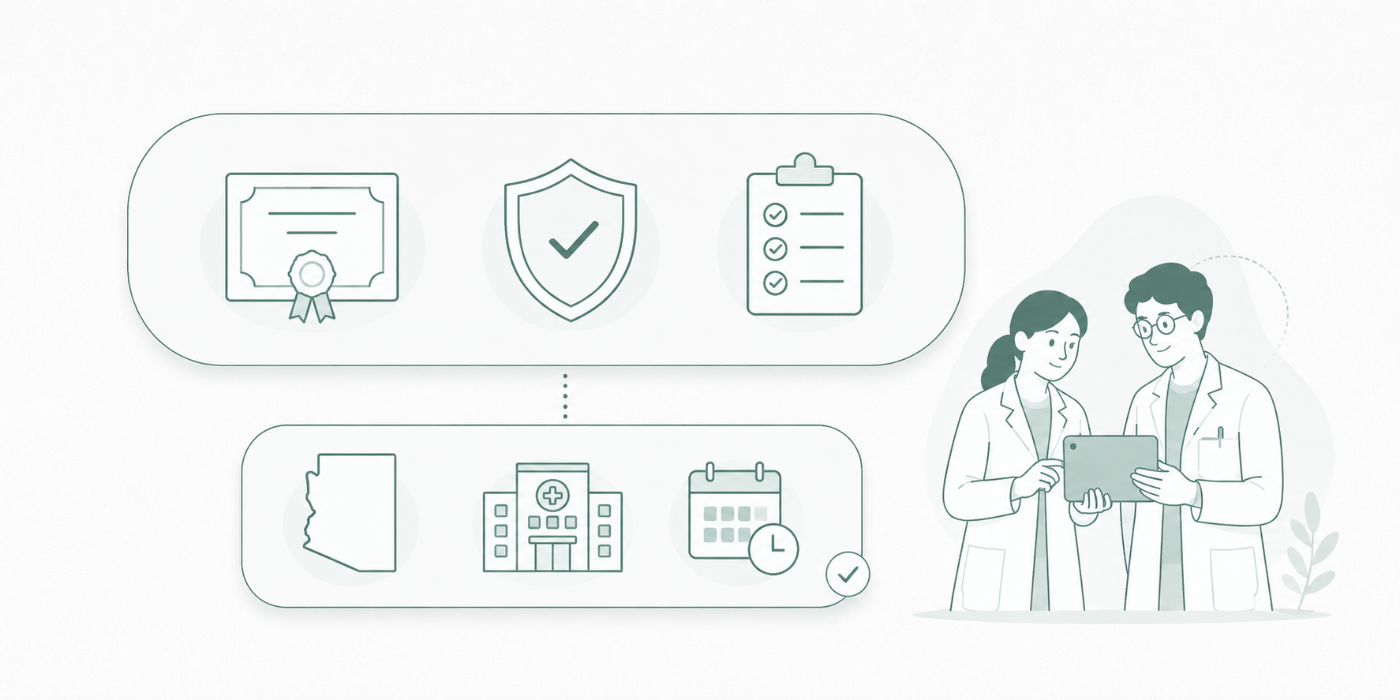
1. What ICH GCP Certification Means for Arizona Clinical Research Careers
ICH-GCP certification shows that you understand the operating rules behind ethical, reliable clinical research. In Arizona, that can support entry into coordinator, research assistant, regulatory, data, safety, and monitoring pathways because every trial team needs people who understand GCP compliance essentials, clinical research ethics, informed consent procedures, and investigator responsibilities under GCP.
Arizona has a serious clinical research footprint. Banner Health lists research opportunities across areas such as cancer, Alzheimer’s disease, Parkinson’s disease, and heart care, while Barrow Neurological Institute describes a large active clinical trial program in neurological conditions. ASU also lists clinical research work in health outcomes, interventions, devices, diagnostics, treatment regimens, and prevention, which makes GCP training useful far beyond one job title. For candidates, that means your certificate should connect to clinical research career opportunities, clinical research salary planning, clinical research professional associations, and free training resources.
The biggest mistake beginners make is treating ICH-GCP as a simple certificate download. Hiring teams care about whether you can apply the rules: protecting participant rights, maintaining source documents, following protocol requirements, reporting safety issues, handling consent correctly, and preparing for monitoring. That is why your GCP study plan should include clinical trial protocol management, managing study documentation, adverse event reporting, and audit preparation.
| Checkpoint | Why It Matters in Arizona | What to Learn | Best CCRPS Resource |
|---|---|---|---|
| Know what ICH-GCP covers | Arizona sites need staff who understand participant protection and credible data. | Ethics, consent, oversight, protocol conduct, source documentation, safety reporting. | GCP compliance essentials |
| Understand 2026 E6(R3) relevance | Modern trials involve decentralized tools, data systems, and risk-based oversight. | Quality-by-design thinking, proportionate controls, data governance, sponsor oversight. | Regulatory guidelines |
| Pick a role target | Arizona roles may differ across hospitals, academic centers, CROs, and private sites. | CRC, CRA, RA, regulatory assistant, data coordinator, safety associate. | Career opportunities |
| Build consent fluency | Consent mistakes create major compliance and participant-rights risk. | ICF version control, process documentation, participant questions, re-consent triggers. | Informed consent |
| Learn protocol structure | Arizona study teams expect staff to follow visit schedules and eligibility criteria. | Schedule of events, inclusion/exclusion criteria, visit windows, assessments. | Protocol management |
| Master source documentation | Strong source habits reduce queries, deviations, and monitoring findings. | ALCOA-C, source correction, contemporaneous notes, data traceability. | Study documentation |
| Study adverse event basics | Every clinical role must recognize possible safety information. | AE definition, onset, severity, outcome, causality support, reporting pathway. | AE reporting |
| Recognize SAE urgency | Hospitalization, death, disability, and life-threatening events demand fast escalation. | Seriousness criteria, awareness date, sponsor notification, follow-up facts. | SAE procedures |
| Understand PI oversight | The investigator remains responsible for trial conduct at the site. | Delegation, supervision, safety oversight, protocol compliance. | Investigator responsibilities |
| Learn delegation rules | Staff must perform only assigned and trained tasks. | Delegation log, training records, task boundaries, PI authorization. | Training requirements |
| Prepare for monitoring | Arizona sites with sponsor studies need monitor-ready records. | Source review, query response, document access, issue tracking. | Monitoring visits |
| Understand CRA expectations | Candidates who know monitoring logic can communicate better with CRAs. | SDV, SDR, risk-based review, action items, follow-up letters. | GCP monitoring |
| Learn deviation control | Missed windows, wrong procedures, and documentation gaps can become deviations. | Deviation definition, impact assessment, corrective action, prevention. | Protocol deviations |
| Know amendment handling | Version drift creates avoidable findings when protocols change. | Amendment approval, retraining, new consent forms, tool updates. | Trial amendments |
| Study regulatory binders | Essential documents must prove that the study was controlled. | IRB approvals, logs, CVs, training, correspondence, safety letters. | Regulatory documents |
| Learn data integrity | GCP certification must translate into clean, traceable trial data. | Source-to-EDC traceability, corrections, audit trail, query logic. | Data integrity |
| Understand lab controls | Many Arizona studies involve specimens, shipping, processing, and lab manuals. | Collection timing, labels, temperature, processing, chain of custody. | Lab best practices |
| Practice audit thinking | Good records must survive sponsor, CRO, IRB, and regulatory review. | Inspection readiness, document trails, staff interviews, CAPA evidence. | Audit preparation |
| Map local employers | Phoenix, Tucson, Scottsdale, Mesa, and academic networks may offer research roles. | Hospitals, universities, specialty centers, private research sites, CROs. | Professional associations |
| Compare training options | Some certificates teach rules; stronger options teach job application. | Curriculum depth, role relevance, assessment, certificate validity, support. | Certificate programs |
| Build exam readiness | CRC and CRA paths often require deeper applied knowledge after GCP. | Scenario questions, time management, protocol analysis, safety workflows. | CRC exam topics |
| Practice CRA concepts | GCP learners aiming for monitoring roles need inspection and verification logic. | SDV, remote monitoring, site follow-up, compliance issues, audit trails. | CRA practice test |
| Learn patient retention basics | Enrollment and retention pressure can trigger compliance shortcuts. | Visit reminders, burden reduction, documentation, missed-visit prevention. | Patient retention |
| Understand recruitment ethics | Arizona’s diverse patient populations require clear, respectful trial education. | Approved materials, fair language, no overpromising, participant understanding. | Patient education |
| Prepare a resume proof stack | Employers need evidence beyond “certified.” | Certificate, project examples, SOP familiarity, EDC basics, documentation samples. | Networking groups |
| Track salary expectations | Arizona pay can vary by role, site type, therapeutic area, and experience. | Entry role bands, coordinator growth, CRA mobility, remote opportunities. | Salary tool |
| Plan the next credential | GCP is usually the foundation, then specialization creates career leverage. | CRC, CRA, regulatory affairs, pharmacovigilance, project management. | Clinical research programs |
| Keep certification current | Employers may expect refreshed GCP training based on policy or sponsor requirements. | Renewal timing, updated guidance, SOP changes, role-specific retraining. | Continuing education |
2. How to Choose the Right ICH-GCP Certification in 2026-27
The right ICH-GCP certification should teach the principles and the workflow. A weak program gives definitions. A useful program explains how those definitions affect consent, eligibility, source documents, protocol deviations, safety reporting, investigator oversight, monitoring visits, and inspection readiness. In 2026, that distinction matters because ICH E6(R3) reflects modern trial realities, including technology-enabled methods and risk-based quality thinking. Your training should connect GCP theory with GCP compliance strategies, clinical trial auditing, clinical trial documentation, and quality management strategies.
Arizona learners should choose training based on their target role. A future CRC needs deep understanding of visits, consent, protocol adherence, participant contact, safety intake, source documents, and EDC. A future CRA needs monitoring, data verification, site communication, audit trails, and corrective actions. A future research assistant needs practical execution: documentation, lab handling, visit prep, participant communication, and escalation. A future regulatory assistant needs IRB submissions, essential documents, logs, amendments, and training records. That is why learners should study CRC responsibilities, CRA GCP essentials, RA compliance skills, and regulatory document management.
Look for a certificate that helps you answer scenario-based questions. For example: what happens when a participant reports hospitalization during a reminder call? What if the coordinator uses an old consent form? What if a visit falls outside the window? What if a lab sample is shipped late? What if a monitor finds conflicting source and EDC entries? These are the moments employers care about because they touch SAE reporting procedures, protocol deviation corrective actions, clinical trial data review, and remote and on-site monitoring.
3. Step-by-Step: How to Get ICH-GCP Certified in Arizona
Start by deciding your career direction. Arizona’s ecosystem includes academic research, hospital-based trials, specialty research institutes, private sites, and health sciences programs. Banner Health lists research across multiple disease areas, Mayo Clinic provides a clinical trials search portal, and ASU describes faculty-led clinical research across health interventions and outcomes. That means GCP can support several paths, but your next step should match the role you want through clinical research career mapping, clinical research networking, best LinkedIn groups, and clinical research associations.
Next, complete a structured ICH-GCP course and study beyond the certificate quiz. Read the principles, then attach each principle to a task. Participant rights connect to consent. Data credibility connects to source documentation. Safety connects to AE and SAE escalation. Oversight connects to delegation, monitoring, and PI responsibility. Quality connects to risk-based planning, issue management, and CAPA. This practical layer helps you speak like someone who can support ethical conduct and patient safety, adverse event reporting compliance, clinical trial site operations, and handling clinical trial audits.
After certification, build an Arizona-ready resume proof stack. Add the certificate, but also add practical competencies: informed consent support, essential document awareness, source documentation, protocol deviation awareness, AE reporting basics, lab manual familiarity, EDC exposure, and monitoring readiness. Employers respond better when your resume turns certification into site value. Use language that aligns with managing study documentation, site monitoring visit preparation, laboratory best practices, and clinical trial data integrity.
Finally, practice interviews with compliance examples. Be ready to explain how you would protect consent version control, report a possible AE, respond to a missing source document, escalate a protocol question, or prepare a visit packet. The strongest candidates sound calm under pressure because they understand workflow, not just vocabulary. Prepare with CRC exam practice questions, CRA common mistakes, CRA practice testing, and time management for clinical research exams.
4. What Arizona Employers Want After You Finish ICH-GCP Certification
Employers want proof that your certificate changes your behavior. A hiring manager at a clinical site does not want someone who memorized “rights, safety, and welfare” but cannot recognize an outdated consent form or possible adverse event. They want someone who can prepare visits, protect participant communication, follow delegation, document clearly, and escalate early. That means your GCP certificate should be paired with informed consent mastery, essential training requirements, protocol deviation handling, and clinical trial documentation techniques.
For entry-level Arizona candidates, the most valuable skill is controlled communication. A participant may mention a symptom, medication change, missed visit, pregnancy, hospitalization, urgent care visit, or confusion about study instructions. A trained candidate should capture facts, avoid medical advice, document the contact, and route the issue to the correct person. That single workflow touches AE reporting techniques, patient safety oversight, effective patient retention, and clinical trial patient education.
For coordinator-track candidates, employers care about visit control. Can you check windows before scheduling? Can you confirm assessments before the participant arrives? Can you prevent version drift? Can you reconcile source and EDC? Can you support monitoring without panic? These capabilities connect ICH-GCP training to site monitoring visits, clinical trial budget management, clinical trial protocol responsibilities, and effective stakeholder communication.
For CRA-track candidates, employers want monitoring logic. GCP certification should help you understand how monitors evaluate source documents, protocol compliance, investigator oversight, safety reporting, regulatory binders, and data reliability. Arizona-based or remote CRA roles may support sites across many states, so your knowledge should travel beyond local settings. Build that foundation with risk-based monitoring strategies, clinical trial data verification, remote and on-site monitoring visits, and CRA inspection readiness.

5. Arizona Career Paths After ICH-GCP Certification
The most direct path after ICH-GCP certification is research assistant or clinical research assistant. This role can involve visit preparation, participant reminders, source filing, lab support, data entry, document tracking, and basic regulatory support. It is a strong first step because you see how protocol language becomes real site work. To grow faster, study laboratory best practices, research assistant documentation skills, research compliance ethics, and collaboration strategies for RAs.
The next path is clinical research coordinator. CRCs carry heavier responsibility for screening, consent support, scheduling, protocol execution, source completion, participant follow-up, query response, and safety escalation. GCP certification gives the foundation, but CRC growth requires daily judgment under pressure. Strengthen that path with GCP compliance strategies for CRCs, patient retention strategies, CRC protocol responsibilities, and CRC exam topics.
A third path is regulatory or quality support. These roles focus on essential documents, IRB submissions, amendment tracking, training records, safety correspondence, sponsor communication, and inspection readiness. People who enjoy order, precision, version control, and document trails often do well here. Prepare with regulatory document management, clinical trial amendments, clinical research ethics resources, and handling clinical trial audits.
A fourth path is monitoring, data, safety, or pharmacovigilance. These paths may require extra experience, but ICH-GCP gives you the language of participant protection, protocol compliance, data credibility, and oversight. If you want these roles, keep building around clinical trial safety monitoring, drug safety reporting timelines, aggregate reports in pharmacovigilance, and mastering regulatory submissions.
6. FAQs
-
Many Arizona clinical research employers, sponsors, CROs, institutions, and study teams expect GCP training for staff involved in human subject research, although exact requirements depend on the employer, study type, sponsor, and role. FDA describes GCP-related guidance as tied to clinical trial conduct and human subject protection, while ICH E6(R3) provides a harmonized GCP framework for trial quality and participant protection. To prepare properly, study GCP compliance essentials, GCP training requirements, investigator responsibilities, and clinical research ethics.
-
Many online ICH-GCP courses can be completed in a few hours, but job-ready learning takes longer because you need to understand scenarios, documentation, safety reporting, protocol deviations, and monitoring logic. A good plan is to complete the certificate, then spend several focused sessions applying the concepts to real site tasks. Build deeper readiness through informed consent procedures, protocol deviation examples, AE reporting techniques, and clinical trial documentation.
-
After GCP certification, candidates often target clinical research assistant, research assistant, clinical research coordinator assistant, regulatory assistant, data coordinator assistant, recruitment assistant, patient-facing research support, or entry-level site operations roles. With experience, the pathway can expand into CRC, CRA, regulatory affairs, quality, safety, and project roles. Explore clinical research career opportunities, clinical research salary comparisons, certificate program comparisons, and clinical research networking groups.
-
List the certificate name, completion date, provider, and practical skills connected to it. Strong resume bullets mention informed consent support, source documentation, protocol compliance, AE awareness, essential documents, visit windows, data integrity, and audit readiness. Make the certificate feel useful to a site by connecting it with managing study documentation, site monitoring preparation, clinical trial data integrity, and audit preparation.
-
Renewal expectations vary by employer, sponsor, institution, and SOP. Some organizations require periodic refreshers, and some sponsors request recent GCP training before assigning study duties. A practical approach is to keep your training current, refresh when guidance or SOPs change, and document all study-specific training. Keep building with continuing education providers, GCP monitoring techniques, quality management strategies, and clinical trial audit readiness.
-
Stand out by pairing ICH-GCP certification with role-specific proof. For RA roles, show documentation and lab readiness. For CRC roles, show visit, consent, safety, and protocol control. For CRA roles, show monitoring and data verification logic. For regulatory roles, show version control, IRB, amendment, and essential document awareness. Arizona’s research ecosystem includes hospital, academic, specialty, and health sciences settings, so practical GCP language matters. Support your next move with CRC practice questions, CRA exam preparation, clinical research associations, and best online clinical research communities.
