
The Ultimate Guide to Getting Your Good Clinical Practice (ICH-GCP) Certification in Oklahoma: Everything You Need to Know in 2026-27
Oklahoma clinical research candidates can gain real career traction by turning ICH-GCP certification into practical proof of trial readiness. In 2026-27, hiring teams want people who understand consent quality, protocol discipline, source documentation, safety reporting, sponsor expectations, and inspection readiness. Build your path around clinical research certification in Oklahoma, GCP monitoring techniques, adverse event reporting, protocol deviation control, and clinical trial data integrity.
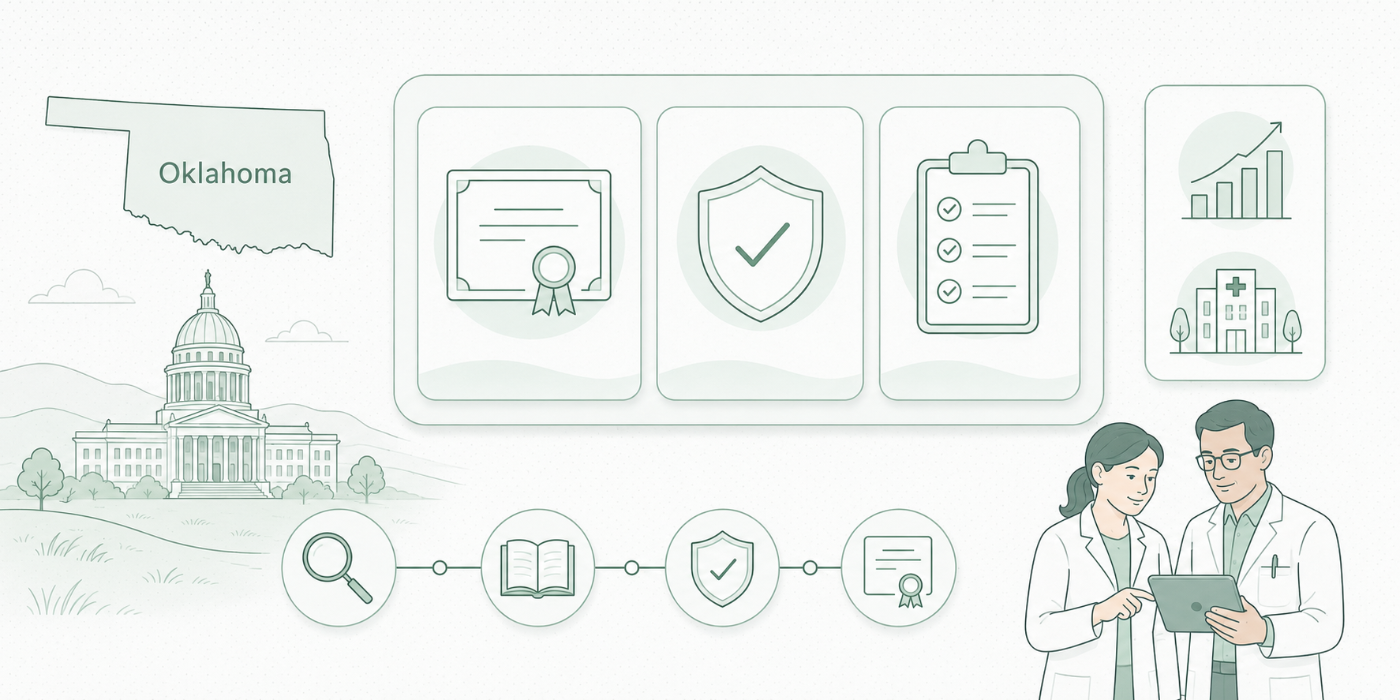
1. Why ICH-GCP Certification Matters for Oklahoma Clinical Research Careers in 2026-27
ICH-GCP certification matters in Oklahoma because clinical research roles demand calm, documented, repeatable decision-making. A clinical research coordinator, research assistant, nurse, pharmacist, regulatory assistant, CRA trainee, data coordinator, or site manager may touch participant safety, essential documents, investigational product handling, source records, EDC queries, and monitor findings in the same week. The certificate becomes useful when it helps you explain investigator responsibilities under GCP, ethical conduct and patient safety, clinical trial sponsor roles, site operations oversight, and quality management strategies.
The pressure point for many Oklahoma candidates is translating training into credible workplace language. A hiring manager may ask how you would respond to a missed visit window, an incomplete consent note, a source-to-EDC mismatch, a delayed AE entry, or a repeated protocol deviation. Strong answers connect the issue to participant safety, data reliability, escalation, documentation, and prevention. That is where site monitoring visit preparation, handling protocol deviations, clinical trial data review, SAE reporting procedures, and GCP compliance self-assessment become high-value preparation tools.
Oklahoma professionals should also think beyond the certificate title. The best candidates can show proof through checklists, mock trackers, interview stories, and role-specific language. A coordinator should show visit-flow discipline. A CRA candidate should show monitoring judgment. A regulatory candidate should show version-control strength. A safety candidate should show AE/SAE clarity. A project candidate should show milestone and escalation control. Connect your ICH-GCP foundation to clinical research career opportunities, clinical research professional associations, online clinical research communities, certificate program comparisons, and free clinical research training resources.
| Career Situation | Best GCP Focus | Proof Hiring Teams Want | CCRPS Internal Resource |
|---|---|---|---|
| Healthcare worker moving into research | Consent, source documentation, participant safety | Explain how visit notes, consent records, and protocol windows protect trial quality | Oklahoma clinical research certification |
| CRC candidate applying to site roles | Eligibility, visit flow, retention, deviation prevention | Show how you would prevent missed assessments and incomplete documentation | patient retention strategies |
| Research assistant building trial credibility | Task tracking, communication, document accuracy | Translate admin, patient-facing, or lab experience into regulated-trial value | research assistant collaboration |
| Nurse entering clinical research | AE capture, safety observation, participant communication | Connect clinical observations to protocol-defined AE reporting expectations | AE reporting compliance |
| Pharmacy professional entering trials | Investigational product storage, accountability, chain of custody | Explain how IP handling protects blinding, dosing accuracy, and protocol compliance | IND application guide |
| CRA trainee targeting CRO or sponsor work | SDV, SDR, issue escalation, follow-up letters | Build a sample monitoring checklist and action-item tracker | remote and on-site monitoring |
| Coordinator preparing for monitor visits | Regulatory binder, delegation log, consent files | Run pre-visit reconciliation before the CRA asks for records | site monitoring visit guide |
| Regulatory affairs beginner | IRB submissions, amendments, essential documents | Track protocol version changes through consent, training, and binders | clinical trial amendments |
| Data coordinator or EDC user | Query response, audit trails, source-to-EDC consistency | Explain how accurate source review reduces queries and protects endpoints | clinical trial data review |
| Principal investigator improving oversight | Delegation, supervision, safety review, protocol compliance | Show oversight notes, training review, and clear escalation pathways | investigator responsibilities |
| Site manager facing repeated findings | Root cause, CAPA, process redesign | Convert deviation patterns into preventive workflows | deviation corrective actions |
| Project coordinator supporting activation | Start-up milestones, dependencies, readiness tracking | Map approvals, training, contracts, budgets, and activation blockers | clinical trial timelines |
| Budget-facing coordinator | Procedure tracking, invoice triggers, study cost awareness | Connect protocol-required activities to budgetable site work | clinical trial budget management |
| Sponsor-side career seeker | Oversight, vendor accountability, risk control | Discuss how sponsors oversee delegated responsibilities across vendors and sites | sponsor roles and responsibilities |
| Pharmacovigilance beginner | SAE reporting, seriousness, causality, follow-up | Separate AE, SAE, expectedness, seriousness, and follow-up logic | SAE reporting procedures |
| Remote clinical research applicant | Remote monitoring etiquette, privacy, digital source access | Prepare documents for review while protecting confidentiality and access controls | GCP monitoring techniques |
| Quality-focused professional | CAPA evidence, issue tracking, risk signals | Build a tracker with owner, due date, root cause, correction, and prevention | quality management strategies |
| Candidate comparing credentials | Role fit, practical outcomes, interview usefulness | Choose training based on job tasks rather than course length alone | certificate programs compared |
| Career changer with limited trial exposure | Transferable skills, compliance language, proof projects | Turn healthcare, admin, pharmacy, lab, or data work into trial-ready language | career opportunities map |
| Candidate struggling with interviews | Scenario answers, documentation judgment, escalation | Prepare stories around consent, safety, deviations, timelines, and teamwork | free training resources |
| Site team preparing for inspection readiness | Essential documents, training files, consent review | Run monthly mini-audits before gaps become findings | GCP self-assessment |
| Coordinator under enrollment pressure | Eligibility, participant education, scheduling, retention | Use clear communication scripts that protect consent quality and reduce confusion | patient education resources |
| Professional building trial tools | SOPs, logs, CRFs, trackers, checklists | Create clean tools that standardize work and reduce omissions | clinical trial templates |
| Candidate using networking for referrals | Associations, communities, targeted questions | Ask about real GCP friction instead of vague career advice | professional associations |
| CRA candidate learning risk-based review | Critical data, critical processes, issue prioritization | Explain why monitoring intensity follows safety and data risk | risk-based monitoring |
| Global trial support professional | Regulatory differences, ethics review, local requirements | Use GCP as a baseline while respecting country-specific expectations | global regulatory guidelines |
| Oklahoma professional exploring nearby markets | Regional mobility, remote roles, sponsor/CRO positioning | Position GCP skills for Oklahoma, Texas, Kansas, Arkansas, and remote roles | Texas clinical research certification |
2. How to Choose the Right ICH-GCP Training Path in Oklahoma
The best ICH-GCP training path starts with your target role. A CRC candidate should focus on informed consent, visit-window tracking, eligibility review, source documentation, participant communication, and patient retention strategies. A CRA candidate should focus on remote and on-site monitoring visits, source data verification, source data review, monitoring reports, issue escalation, and risk-based monitoring strategies. A regulatory candidate should focus on essential documents, IRB submissions, version control, clinical trial amendments, and global regulatory guidelines.
A strong course should prepare you for the questions that expose weak training. What happens when a participant signs an outdated consent form? Who needs retraining after a protocol amendment? How should missing source data be corrected? When should a deviation be escalated? How should a site respond when an SAE appears in source before formal reporting? These are the practical problems behind SAE reporting procedures, protocol deviation corrective actions, clinical trial data review, GCP compliance self-assessment, and clinical trial templates.
Oklahoma candidates should also match training to local and regional mobility. A professional in Oklahoma City, Tulsa, Norman, Edmond, Stillwater, or a remote-friendly role can use GCP certification to target site operations, academic research support, community research, CRO work, sponsor support, data roles, regulatory assistance, and safety workflows. Build your learning map around clinical research certification in Oklahoma, clinical research certification in Texas, clinical research certification in Kansas, clinical research certification in Arkansas, and clinical research salary comparison.
Your training should end with visible proof. Build a one-page GCP readiness sheet after certification. Include five mini-scenarios: wrong consent version, missed protocol window, source-to-EDC mismatch, incomplete delegation log, and SAE escalation. For each scenario, write the risk, immediate action, documentation required, escalation route, and prevention step. This exercise turns ethical conduct in GCP, investigator oversight, clinical trial site operations, quality management, and site monitoring visit preparation into interview-ready material.
3. Oklahoma Clinical Research Roles Where GCP Skills Get Tested Daily
For coordinators, GCP shows up through scheduling, consent, eligibility, source notes, protocol windows, participant communication, safety escalation, and monitor readiness. The real pain point is juggling people, visits, documents, labs, deadlines, and sponsor requests while keeping every action traceable. A strong coordinator candidate can explain how they would prevent missed assessments, maintain clean source, prepare regulatory files, document participant communication, and escalate deviations. That connects directly to site monitoring visits, handling protocol deviations, patient education resources, clinical trial budget management, and participant retention strategies.
For CRA candidates, GCP becomes evidence-based judgment. A monitor must recognize which findings affect participant safety, which findings threaten critical data, which findings require retraining, and which findings show a broken site process. Oklahoma applicants targeting remote, regional, or travel-based CRA roles should learn how monitoring connects to issue prioritization, communication, follow-up, and risk control. Study remote and on-site monitoring, risk-based monitoring strategies, clinical trial data review, investigator meeting strategies, and GCP monitoring techniques.
For regulatory, safety, quality, and project roles, ICH-GCP certification becomes the shared operating language. Regulatory professionals need version control, IRB communication, essential document tracking, amendment implementation, and training evidence. Safety professionals need AE/SAE clarity, follow-up discipline, and reporting awareness. Quality professionals need CAPA that fixes root causes. Project professionals need milestone tracking, budget awareness, escalation control, and clean close-out habits. Build your learning around clinical trial amendments, pharmacovigilance best practices, global pharmacovigilance compliance, clinical trial timelines, and project close-out procedures.
The candidates who struggle usually know definitions without operational confidence. They can define informed consent but stumble when asked what happens if a procedure occurs before consent. They can define a deviation but give a weak CAPA answer. They can describe an AE but miss follow-up discipline. Fix that gap through scenario practice, not passive reading. Use free clinical research training resources, online clinical research communities, professional associations, ethics and compliance resources, and certificate program comparisons.
What is your biggest Oklahoma ICH-GCP certification blocker right now?
Choose one. Your answer points to the fastest practical fix.
4. How to Turn ICH-GCP Certification Into Oklahoma Job-Ready Proof
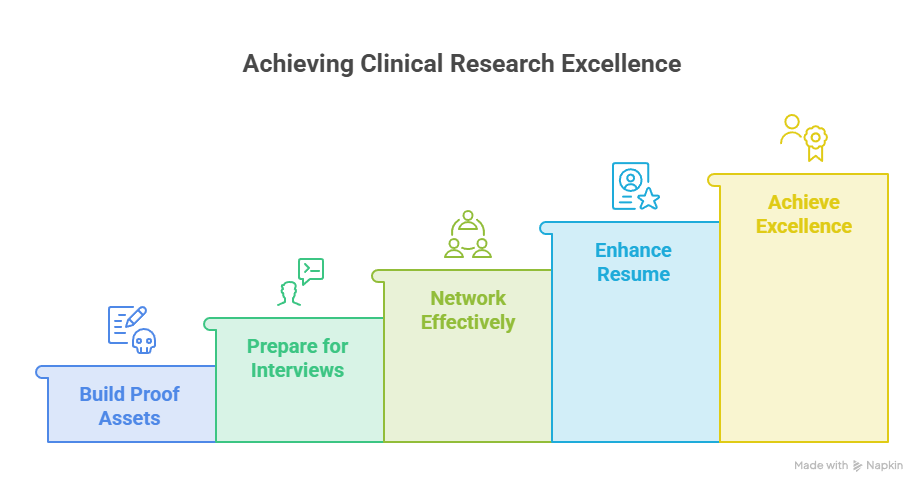
After certification, build proof assets that show how you think. Use fictional, training-safe examples instead of confidential study documents. Create a mock deviation log with root cause, CAPA, owner, deadline, and prevention step. Make a consent-process checklist covering version control, participant questions, documentation, and copy delivery. Draft a source-to-EDC reconciliation sheet. Build a monitor-visit preparation tracker. These assets connect protocol deviation corrective actions, clinical trial templates, clinical trial data integrity, site monitoring visit preparation, and quality management strategies.
Your resume should make the certificate visible and practical. Place ICH-GCP certification in a certification section, then support it with task-driven bullets. Strong bullets mention source documentation, consent support, visit tracking, EDC query resolution, regulatory binder maintenance, deviation tracking, safety escalation, participant communication, monitoring preparation, or training-log maintenance when accurate. This approach pairs well with clinical research certification in Oklahoma, research assistant collaboration, clinical trial site operations, clinical trial data review, and clinical research career opportunities.
Interview preparation should center on the problems that expose real readiness. Prepare answers for a participant completing a procedure before consent, a monitor finding missing source, a PI delaying oversight review, an amendment changing visit procedures, and a safety event needing escalation. Use a five-part answer: identify the risk, protect the participant, notify the correct team member, document the action, and prevent recurrence. That answer structure applies across ethical conduct and patient safety, investigator responsibilities, SAE reporting procedures, clinical trial amendments, and GCP monitoring techniques.
Networking should sound specific. Instead of asking someone to “help you get into clinical research,” ask about one operational friction point: consent re-training, high query volume, source cleanup, monitor follow-up, participant scheduling, regulatory binders, IRB amendments, or inspection readiness. A specific question makes you look prepared and gives the other person a real reason to respond. Use clinical research professional associations, online clinical research communities, clinical research conferences, free training resources, and clinical research salary tools to keep outreach targeted.
5. Common Mistakes That Slow Down Oklahoma ICH-GCP Candidates
The first mistake is treating certification as the finish line. Completion helps, but hiring teams still need evidence that you can protect participants, maintain source quality, follow protocol requirements, respond to safety events, and prepare for monitoring. A candidate who can discuss adverse event reporting, protocol deviation examples, clinical trial data integrity, site monitoring visits, and GCP compliance self-assessment sounds more credible than someone who lists a course and gives no practical evidence.
The second mistake is studying every topic with the same intensity. A CRC candidate should focus on consent, visit execution, participant retention, eligibility, source documentation, and deviation prevention. A CRA candidate should focus on SDV, SDR, monitoring reports, issue escalation, risk-based review, and site communication. A regulatory candidate should focus on essential documents, amendments, IRB submissions, and version control. A safety candidate should focus on AE/SAE workflows, follow-up, and seriousness criteria. Use CRC budget strategies, CRA monitoring visits, IND/NDA submissions, pharmacovigilance compliance, and clinical trial safety monitoring to focus your plan.
The third mistake is weak regional positioning. Oklahoma candidates can target local site work, regional travel roles, sponsor-support functions, remote CRO work, data roles, regulatory assistant paths, and safety operations. Generic claims disappear quickly. Your resume, LinkedIn, and outreach should show role fit, GCP scenarios, documentation habits, and trial risks you know how to reduce. Compare nearby pathways through clinical research certification in Texas, clinical research certification in Kansas, clinical research certification in Arkansas, clinical research certification in Colorado, and clinical research certification in Missouri.
The fourth mistake is skipping tools. Clinical research runs on trackers, logs, checklists, visit grids, training records, delegation records, action-item lists, and document-control habits. A candidate who can build clean tools usually understands operations faster. Use clinical trial templates, interactive start-up checklists, clinical trial cost estimator, clinical trial sample size calculator, and interactive GCP compliance self-assessment to build a more practical learning system.
6. FAQs About ICH-GCP Certification in Oklahoma
-
ICH-GCP certification can strengthen your application because Oklahoma clinical research roles often involve documentation, participant protection, protocol compliance, safety reporting, and sponsor oversight. Employers want people who can work inside regulated systems without creating avoidable risk. Pair your certificate with clinical research certification in Oklahoma, ethical conduct in GCP, investigator responsibilities, adverse event reporting, and clinical trial data integrity.
-
Master informed consent, source documentation, eligibility, delegation, training records, protocol deviations, AE/SAE reporting, EDC query response, monitoring readiness, and CAPA. Then practice real scenarios so you can answer interview questions with confidence. Use SAE reporting procedures, protocol deviation corrective actions, GCP monitoring techniques, clinical trial amendments, and clinical trial templates.
-
Yes, especially when you add monitoring-specific preparation. CRA hiring conversations often focus on SDV, SDR, monitoring reports, action items, site communication, escalation, issue prioritization, and risk-based monitoring. If you come from coordination, nursing, research assistant work, data, pharmacy, or regulatory support, translate your experience into monitoring readiness. Study remote and on-site monitoring visits, risk-based monitoring strategies, clinical trial data review, conducting investigator meetings, and GCP monitoring techniques.
-
Put it in a certifications section, then support it with practical bullets that show trial readiness. Mention source documentation, consent support, regulatory binder maintenance, EDC query resolution, deviation tracking, safety escalation, participant communication, monitoring preparation, or training-log maintenance when true. Strengthen those bullets with research assistant communication strategies, patient retention strategies, clinical trial budget management, clinical trial site operations, and quality management strategies.
-
Use a two-week sprint. Spend three days on consent, source, delegation, and safety reporting. Spend three days on deviations, CAPA, amendments, and monitor findings. Spend three days building mock checklists for visit preparation, regulatory files, and EDC query response. Spend three days writing interview stories. Use the final two days to revise your resume and apply. Support the sprint with GCP compliance self-assessment, interactive start-up checklists, free training resources, online clinical research communities, and professional associations.
-
A broader search can help because clinical research roles often cross state lines through hybrid, remote, regional, sponsor, CRO, and academic pathways. Keep Oklahoma as your anchor, then map nearby markets and remote-friendly roles. Review clinical research certification in Texas, clinical research certification in Kansas, clinical research certification in Arkansas, clinical research certification in Colorado, and clinical research career opportunities to expand your options.
